Salon Art + Design: New York’s premier collectible design fair returns November 4, 8 with the French designer’s work at the center of a milestone celebration.
For 15 years, Salon Art + Design has held court at the Park Avenue Armory as New York’s most authoritative platform for serious collectors hunting rare, museum-quality furniture and objects. This November, as the fair marks its milestone edition, it’s returning to the same address with a curatorial focus that elevates one of contemporary design’s most philosophically rigorous voices: Mathieu Lehanneur.
The timing isn’t accidental. Lehanneur has spent the last two decades building a practice that sits at the precise intersection where fine art, industrial design, and scientific inquiry meet. His work doesn’t settle for beauty alone; it asks questions about how objects can interface with human biology, environmental systems, and the spaces we inhabit. For a fair that trades in collectibility and investment-grade pieces, positioning Lehanneur as this edition’s focal point signals a deliberate move away from pure aesthetic fetishism toward design that carries intellectual weight.
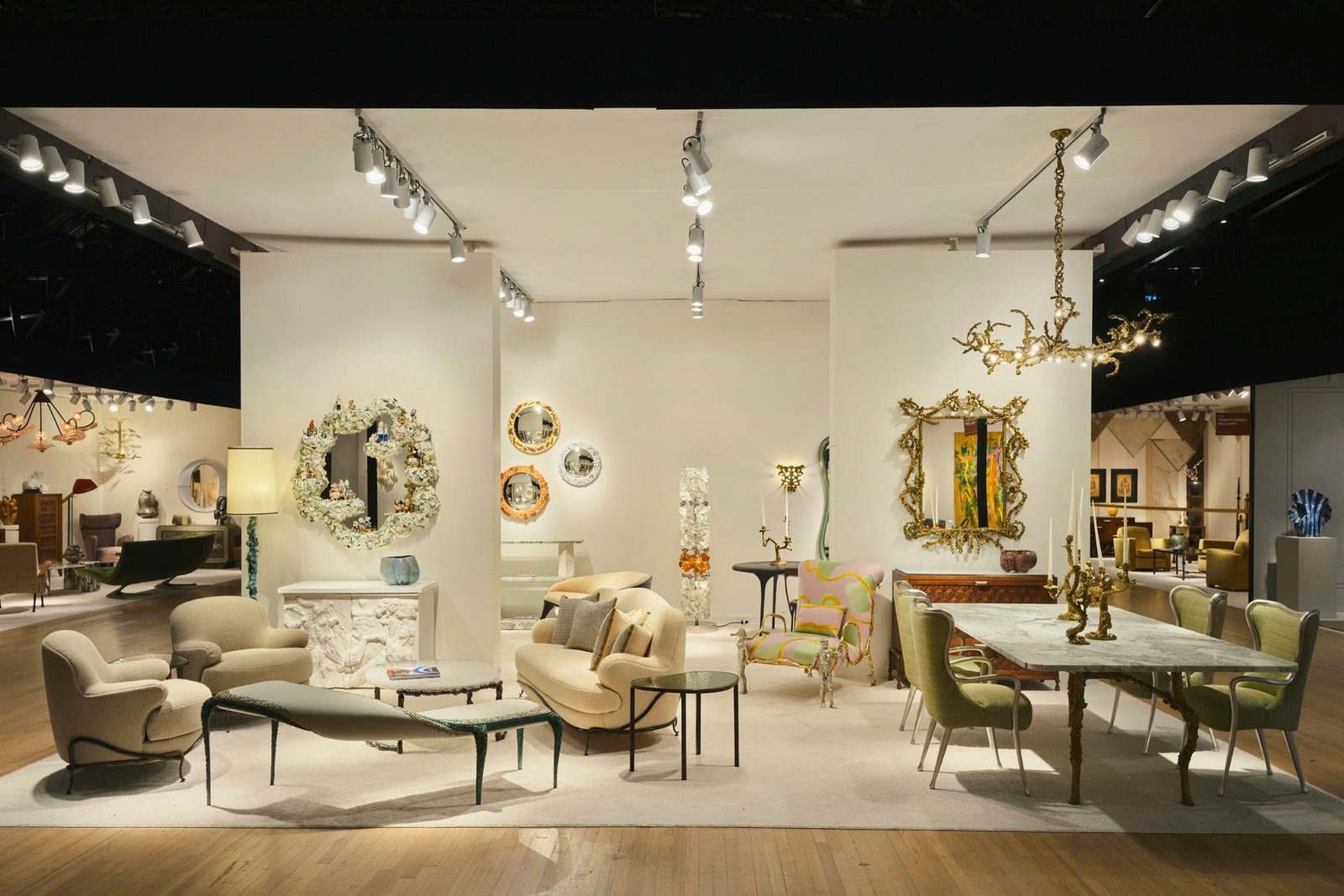
The Park Avenue Armory has become the natural home for Salon Art + Design, a venue whose 55,000 square feet of raw, columned space allows the fair’s 80-plus gallery partners to stage their wares with the kind of breathing room that separates a serious collecting event from a commercial bazaar. The armory’s architectural drama, built in 1877, creates an almost ecclesiastical reverence around the objects on display. Glass vitrines containing a single chair from the 1950s, a sculptural lighting piece, or a handblown vessel sit under institutional light, inviting the kind of sustained looking that separates collectors from casual browsers.
Running November 4, 8, this 15th iteration arrives at a moment when the high-end collectible design market has become increasingly selective. Galleries exhibiting at the fair know their audience: serious collectors with established collections, museum acquisition committees, interior designers sourcing for high-net-worth clients, and investors who understand that investment-grade modern and contemporary design can rival fine art in both appreciation and cultural significance. The fair’s reputation rests on curation, not volume.
Salon Art + Design Returns With Lehanneur as Creative Anchor
Lehanneur’s elevation as the fair’s featured voice makes sense contextually. His projects span from site-specific installations and architectural interventions to functional objects designed for production. What unites the work is a consistent refusal to separate form from function, or either from concept. His investigations into how design can address air quality, water purification, light therapy, and acoustic environments have established him as a designer more interested in solving problems than in creating luxury objects. That distinction matters enormously in a collecting context.
At a fair where galleries are selling pieces in the tens of thousands of dollars, the work on display isn’t there to function. It’s there to be possessed, to be signed and numbered, to hold value. Lehanneur’s presence reframes that transaction by suggesting that the most valuable contemporary design is the work that expands what design can claim to do. It’s design as research, design as philosophy, design as cultural intervention.
The Fair’s Ecosystem and What’s at Stake
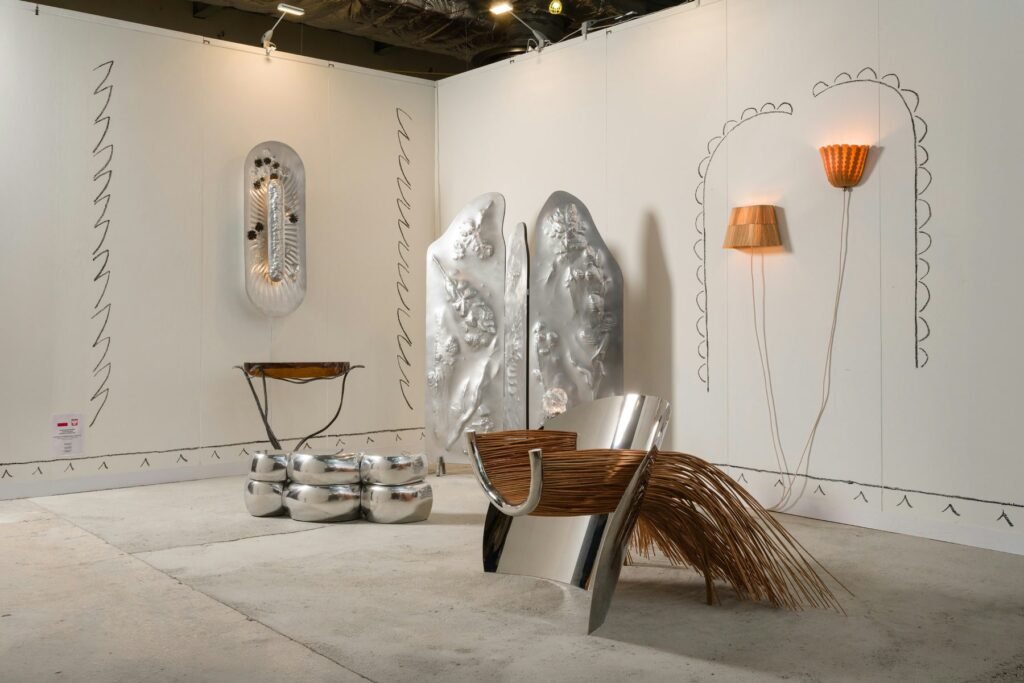
The 80-plus galleries participating in Salon Art + Design have carefully curated their selections for this specific audience and venue. Galleries specializing in mid-century modern furniture will sit alongside dealers in contemporary studio ceramics, galleries staging limited-edition design collaborations, and boutique operations representing established and emerging designers. The mix creates a kind of cabinet of curiosities for collectors, though one operating at the highest professional level.
The fair’s standing as New York’s most prestigious collectible design event means the galleries exhibiting here operate under a particular set of expectations. The work shown should be rare, significant, or represent a designer’s body of work in a way that justifies its presence in a collecting context. Lehanneur’s selection as the fair’s curatorial focus validates a particular understanding of what contemporary design should aspire toward: rigor, innovation, conceptual depth, and a willingness to operate at the intersection of multiple disciplines.
For collectors attending between November 4, 8, the fair functions as both marketplace and cultural barometer. Seeing what galleries are acquiring, how they’re positioning their booths, and which designers and historical figures are receiving renewed institutional attention signals where the market’s taste is moving. This edition, with Lehanneur at its center, suggests that serious collectors are increasingly valuing design that asks something of them beyond the visual.