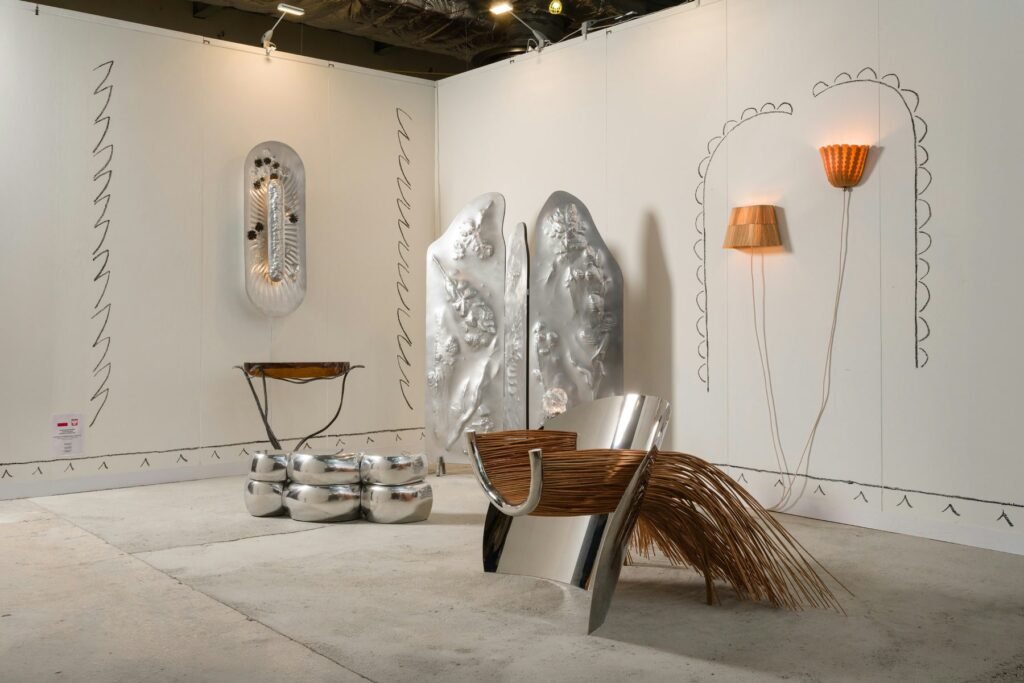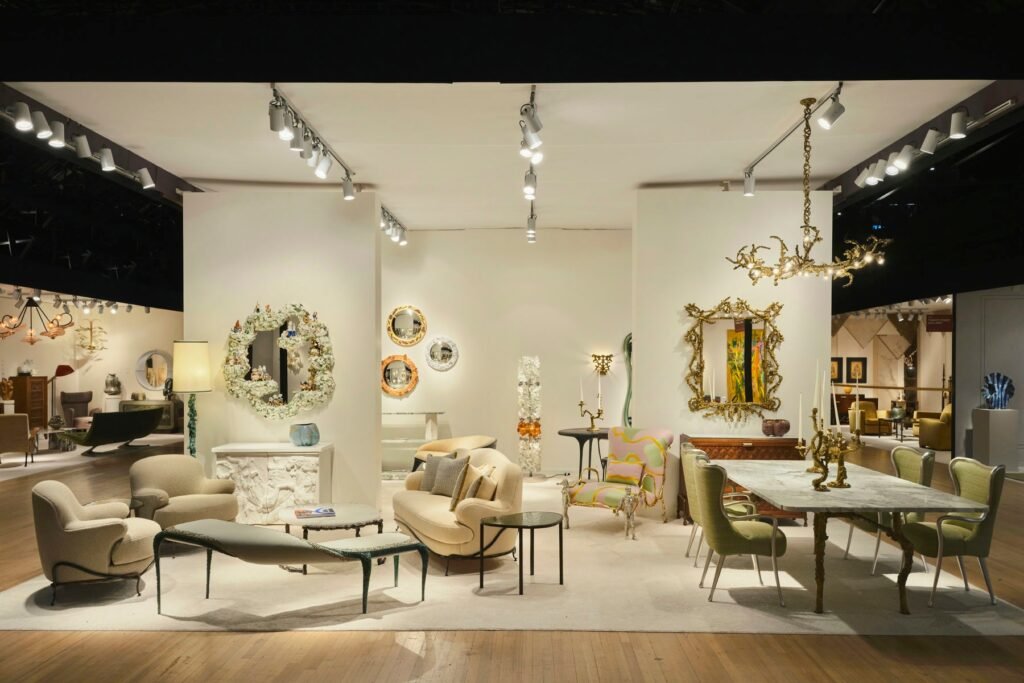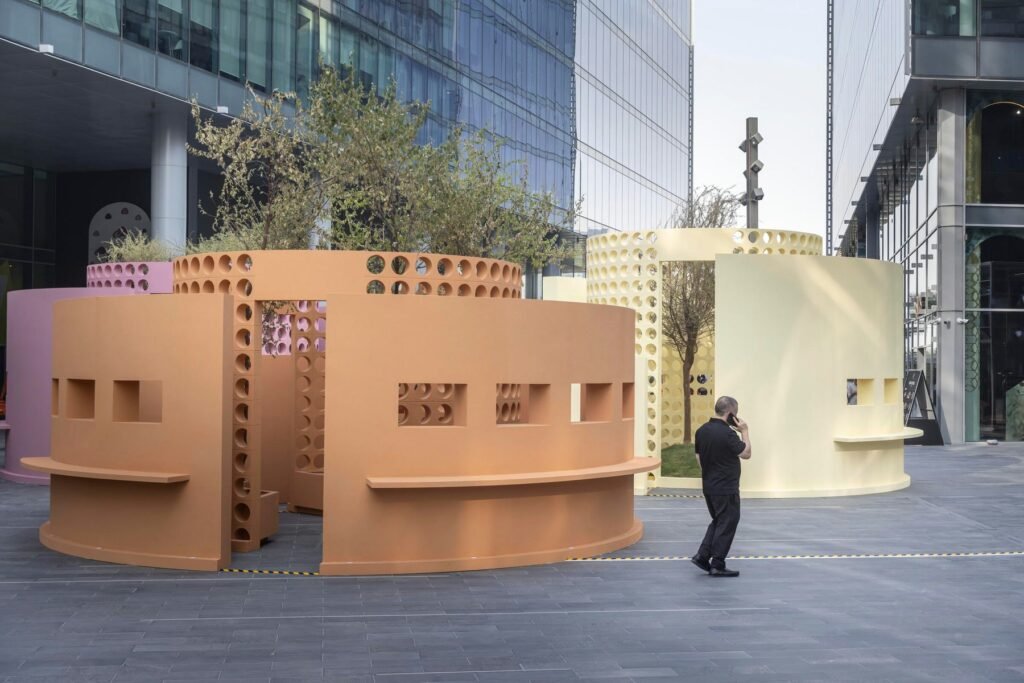
Dezeen 20×20: The design media giant launches 20×20, a month-long series revealing who the industry’s biggest names predict will reshape architecture and design through 2046.
Dezeen 20×20 arrives as the architecture and design publication marks two decades by asking its most influential architects and designers to name who comes next. Rather than throw a party, Dezeen launched this partnership with Kohler as a generational handoff, a rare moment when established figures openly identify the emerging talent they believe will matter most.
The series launched this week with a deliberately curated roster of selectors and selectees. Bjarke Ingels, the Danish architect whose studio has shaped everything from the Google headquarters to suburban renovations, picked Harry Nuriev to represent the future. Frida Escobedo chose Lanza Atelier. Nendo nominated Freya Tangelder. Sabine Marcelis selected Swedish Girls. These weren’t random choices. Each selector brought serious capital to their pick, essentially saying: this is who you should be watching.
The timing isn’t accidental. Dezeen, which has chronicled architecture and design globally since its founding, now has two decades of track record to look back on and credibility to lean on when making such predictions. The 20×20 project frames the next 20 years as an open question, one that can only be answered by those who’ve already proven they know how to spot signals in the noise.
How Dezeen 20×20 Signals the Next Generation of Architects
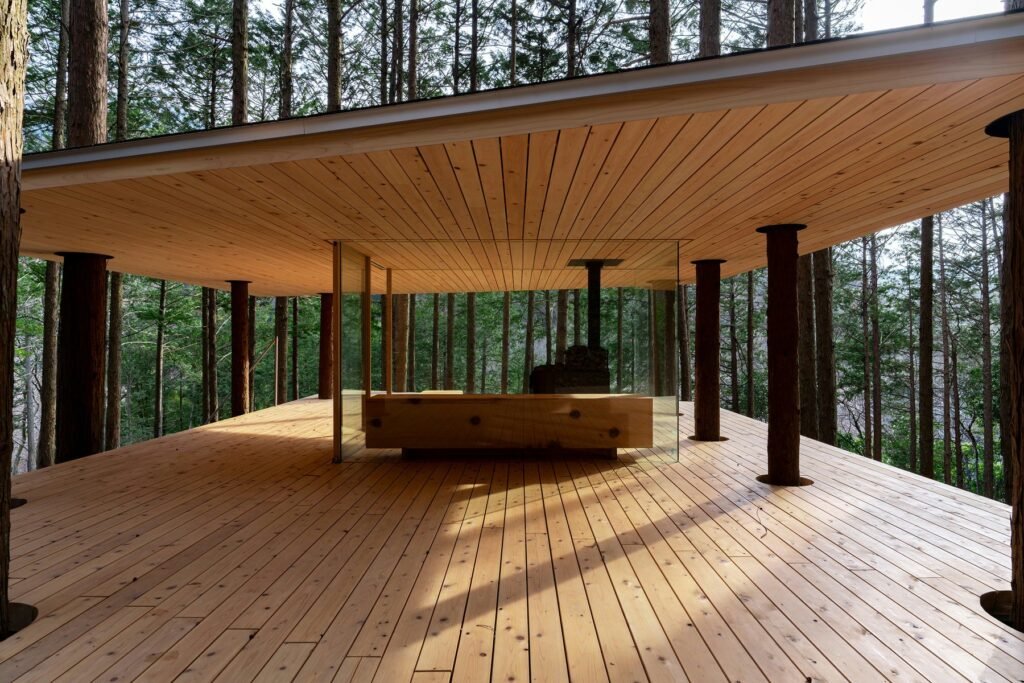
Running parallel to 20×20, Dezeen also announced the winners of its 2026 Awards at a ceremony in London this week. The recognition spanned architecture, design, and interiors, with projects like the Silent River Tree Sauna by Daichi making the cut. The awards naming process included six designers of the year, a move that expands beyond single-project recognition to acknowledge entire bodies of work and philosophy.
These awards carry real weight in a field where visibility and institutional validation can accelerate careers. When Dezeen picks a winner, it’s not just editorial praise; it’s a signal that ripples through the architecture world, influences which projects get built next, which studios attract the talent and funding they need. The 2026 round reflects current priorities in the field: sustainability, craftsmanship, the blurring of boundaries between typologies.
Trump’s Ballroom Becomes a Cultural Flashpoint in Design Coverage
Elsewhere in the week’s coverage, Dezeen reported on recently revealed images of the White House ballroom renovation, sparking reactions that went beyond architecture critique into cultural commentary. The scale alone became contentious. Hillary Clinton weighed in on X, writing that the ballroom’s size relative to the main residence “dwarfs the central residence,” and reading it as emblematic: “It says everything about Donald Trump that his gilded ballroom dwarfs the size of the People’s House,” she posted.
The story illustrates how design journalism has evolved. It’s no longer confined to form, materials, or construction technique. When a building or space becomes politically charged, it enters Dezeen’s frame as cultural text. Harvard GSD students understood this dynamic and proposed alternative designs for Trump’s planned arch in Washington DC, using their designs as critique. The student proposals replaced the structure entirely with expansive pools of water, a conceptual move that said more through absence than any traditional counter-proposal could.
Miami’s Supertall and Chipotle’s Burrito Hoodie Show Design’s Range
SHoP Architects revealed plans for a 320-metre-tall skyscraper in Miami backed by Serbian tennis player Novak Djokovic. The design features ribbed surfaces and amenity facilities developed by Djokovic himself, a collaboration that collapses the boundary between sponsor input and architectural decision-making in ways that only commercial real estate allows. It’s a building that will house both trophy residences and the ego of its financial backer, a standard in luxury development but rarely articulated so transparently.
Then there was Chipotle’s design exercise disguised as marketing. The fast-food chain launched a range of hoodies with hidden, insulated pockets specifically engineered to smuggle burritos into movie theaters. The tongue-in-cheek product bridged fashion, industrial design, and functional mischief. It’s the kind of project that wouldn’t traditionally appear in Dezeen’s coverage a decade ago, but as design media has broadened its mandate to include cultural artifacts beyond high architecture, pieces like this demonstrate how design thinking now infiltrates everyday objects with intent and humor.
The week also surfaced a surreal house in rural China, a pink commercial building in Mexico, and a Cotswolds barn renovation. These projects, sprinkled throughout the week’s coverage, confirm what 20×20 is fundamentally proposing: that architecture’s future won’t be concentrated in a few capital cities or among a narrow set of established names. The next two decades will be defined by work emerging from unexpected geographies and by practitioners who don’t yet have the global platform they’ll eventually command.