London Museum: The city’s most significant cultural infrastructure project opens its doors at a redesigned historic market, fundamentally changing where Londoners encounter their own civic narrative.
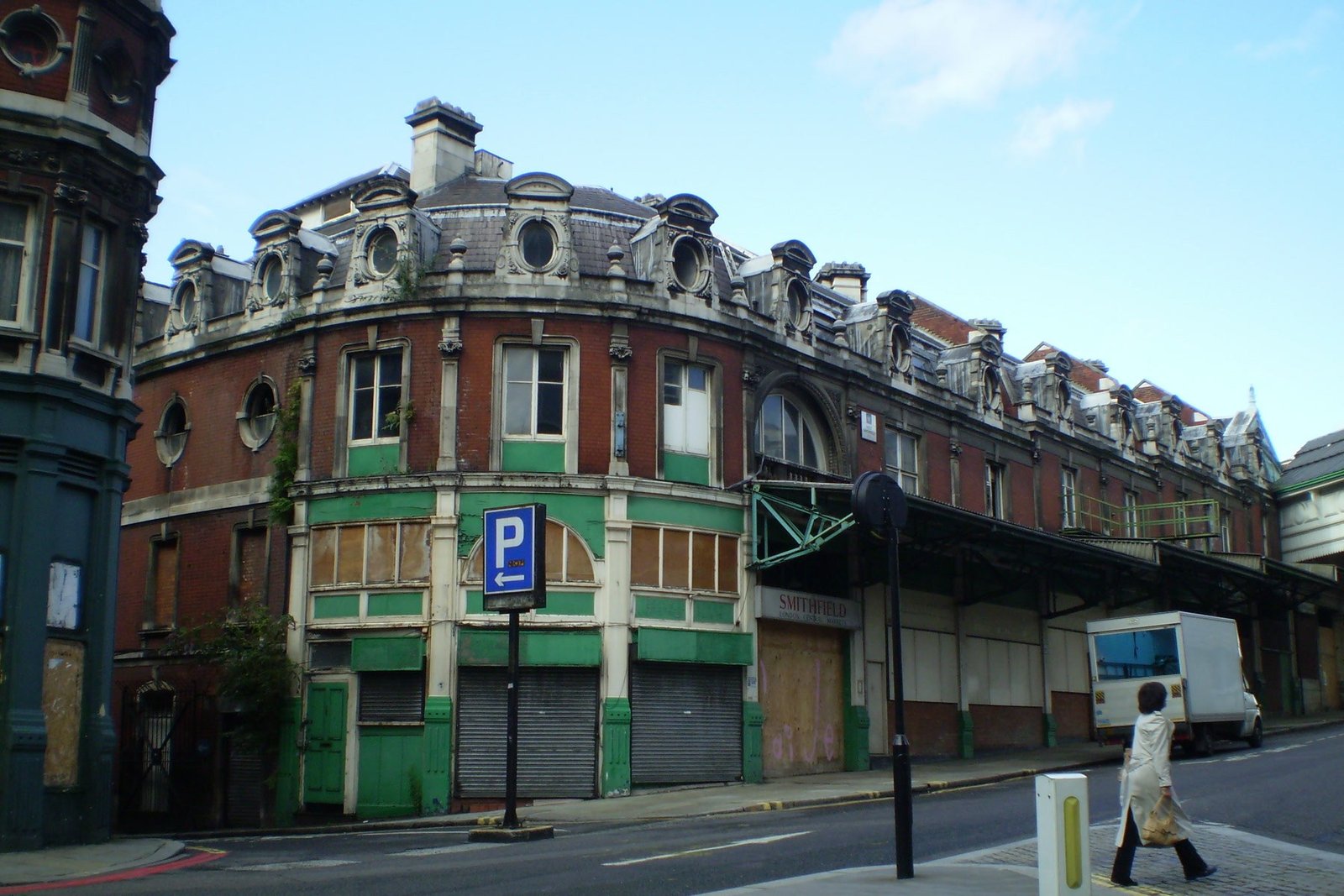
The London Museum opens to the public this weekend, November 28 and 29, 2026, and the location alone signals something worth paying attention to. The institution has moved into the redesigned Smithfield Market, a site that carries centuries of weight in London’s physical and cultural geography. This isn’t simply a building shuffle. It’s a statement about what institutions believe matters enough to preserve, restore, and reinhabit.
Smithfield Market has never been just a market. For roughly 900 years, it has functioned as a gathering point, a place where the city’s everyday rhythms played out in real time. Meat traders worked there before dawn. Public executions happened there. The market absorbed and reflected London’s moods across centuries. Repurposing it as a home for a museum dedicated to civic history creates a kind of narrative symmetry. The building itself becomes part of the story being told inside.
London Museum in a Redesigned Historic Site Becomes Cultural Infrastructure
The decision to house the London Museum in a redesigned Smithfield represents something larger than curatorial convenience. Historic market buildings across European cities have undergone similar transformations in recent decades. Some become restaurants or luxury shopping destinations. The choice to make Smithfield a museum is philosophically different. It suggests that the institution’s leaders believe London’s story, its civic identity, deserves to inhabit a space that itself embodies the city’s layered past.
The redesign process matters here. A building this old and this symbolically dense cannot simply be gutted and filled with modern infrastructure. The architects and designers involved had to negotiate between preservation and contemporary function. They had to decide what to keep, what to interpret, what to let speak for itself. Those decisions shape how visitors experience the story the museum wants to tell.
What Makes This Opening Significant Right Now
Opening a civic history museum in late 2026 arrives at a particular moment. Cities worldwide are reconsidering how they present themselves to their residents. There’s growing skepticism about the traditional museum model, the kind of institution that positions history as something sealed off, controlled, and interpreted by gatekeepers. The fact that the London Museum has chosen Smithfield, a living commercial landmark rather than a purpose-built cultural district, suggests some awareness of this tension.
The scale and ambition of this project qualify it as one of London’s most significant cultural infrastructure initiatives in recent memory. That’s not hyperbole born from opening-week enthusiasm. This is a full institutional relocation paired with architectural restoration. The resources involved, the planning horizon required, and the centrality of the site all point to something that demanded sustained commitment from the city’s cultural establishment.
Smithfield’s location in the City of London, adjacent to Barbican and within walking distance of St. Paul’s Cathedral, positions the museum at a crossroads of different London narratives. The surrounding architecture tells multiple stories simultaneously. Medieval alleyways exist alongside Brutalist housing blocks. Historic churches stand near modern commercial development. A museum about London’s story inserted into this geography can’t help but be in conversation with everything around it.
The opening this weekend will draw the usual crowds of architecture enthusiasts, design journalists, and cultural institutions circuit professionals. But the more revealing metric will emerge over months and years. How do regular Londoners use this space? Do locals treat it as somewhere they belong, or does it read as another cultural destination designed for visitors and professionals? Does the Smithfield location make the museum feel more embedded in the city, or does the institutional framework still create distance? These questions won’t be answered by the opening weekend press.
What’s clear now is that the London Museum’s new home represents a specific bet about what matters. It’s a bet that history should be anchored in places that carry weight beyond their symbolic value. It’s a bet that you can tell a city’s story more effectively by housing that story in a building that has already absorbed so much of that city’s activity and consequence. Whether that bet pays off depends less on the design or the opening event than on what happens inside those restored Smithfield walls when visitors walk through the doors.