Shanghai Art Fairs: West Bund Art & Design and ART021 are running simultaneously in Shanghai this fall, signaling a seismic shift in how the global art world moves through Asia.
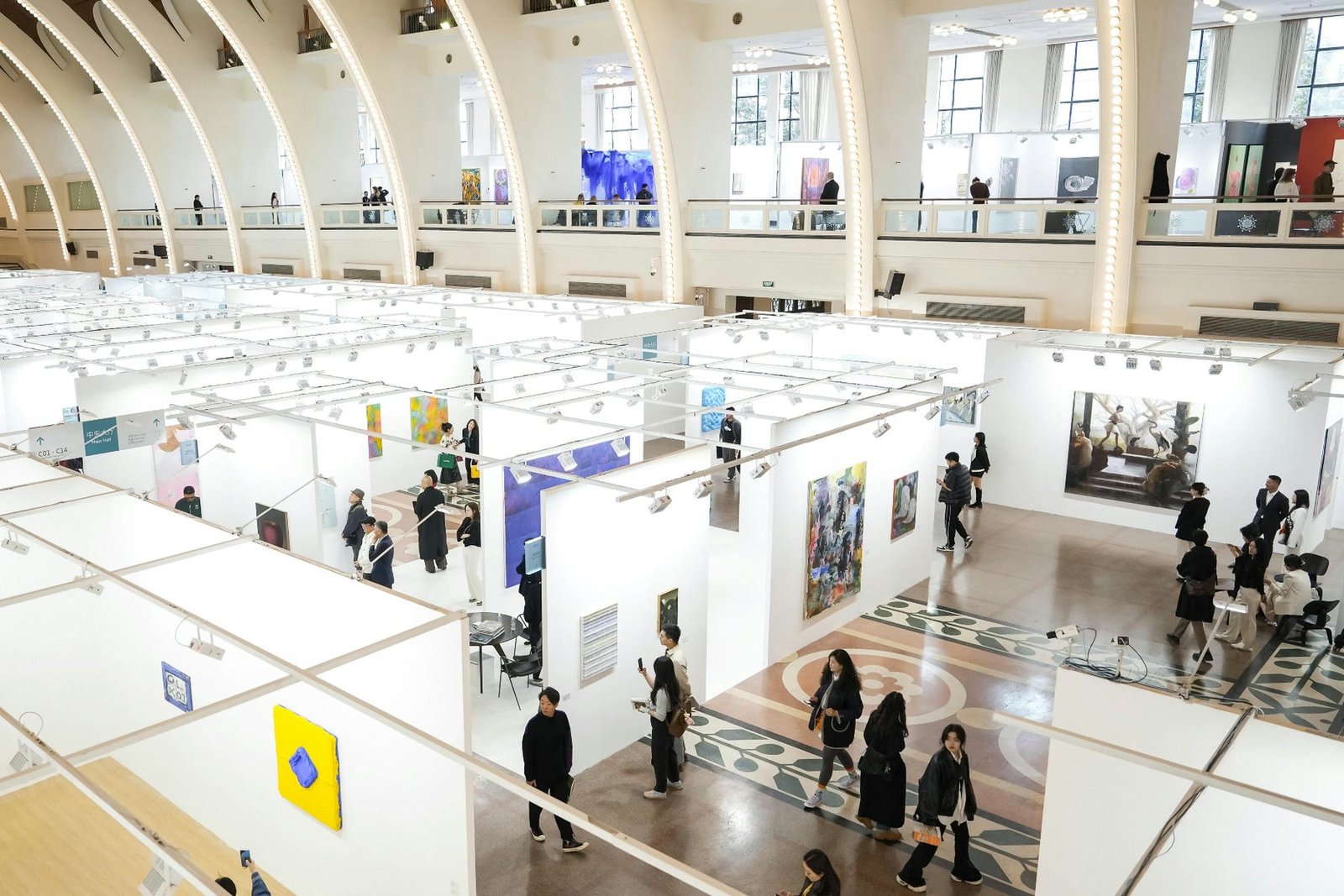
The autumn art calendar used to be simple: pick your city, hit the fair, leave. But something fundamental has shifted in how the international art world actually moves through the year, and Shanghai art fairs this season are the clearest proof yet. According to Whitewall, the contemporary art calendar has quietly become a cultural travel calendar, where fairs serve as anchors to what’s really a full city immersion into museums, galleries, private collections, architecture, design, fashion, restaurants, and artist studios. Shanghai’s simultaneous launch of West Bund Art & Design and ART021 isn’t just a scheduling coincidence. It’s the city asserting itself as the place where the entire ecosystem converges at once.
The timing matters more than it looks. Earlier this year, Whitewall reported that The Armory Show moved its 2026 edition more than two weeks later in the calendar specifically to avoid a collision with Frieze Seoul. When two major fairs share ownership, the smaller one blinks. That The Armory Show deferred to Seoul signals how seriously the art world’s power brokers now treat Asian positioning. Shanghai running both West Bund and ART021 simultaneously sends the opposite message: this city is so culturally dense that it doesn’t need to stagger anything. Come when it’s happening, and you’ll find enough to occupy you for a full week without touching a single gallery outside the fair perimeter.
What makes this configuration genuinely interesting isn’t that two fairs exist in one city. It’s what each one represents about the state of global collecting and curation. West Bund Art & Design operates at the intersection of fine art and applied objects, territories that Whitewall notes are increasingly treated as a unified conversation rather than separate hierarchies. ART021, positioned as Shanghai’s contemporary heavyweight, pulls differently: it’s structured as a pure contemporary platform, with the city’s galleries and institutions forming what amounts to an extended exhibition network around it. Run them simultaneously, and you’ve essentially created a master class in how art, design, and institutional culture can coexist in a single metropolis.
The scale of this matters too. Frieze Seoul, the fair that prompted The Armory Show’s calendar retreat, brings together more than 125 galleries from 30 countries according to Whitewall’s reporting, with more than 70 percent coming from the Asia-Pacific region. Shanghai’s dual offering likely exceeds that reach simply by virtue of two separate programming structures happening at once. For collectors, curators, and dealers, it means Shanghai in fall 2026 becomes something closer to a mandatory pilgrimage than an optional addition to the calendar. Miss it, and you’ve potentially missed the year’s most concentrated gathering of Asian and international contemporary voices.
The bigger structural point Whitewall identifies is that every city on the autumn calendar now argues, in one form or another, that boundaries between art, craft, and design are dissolving. Venice’s Homo Faber demonstrates it through pure curatorial execution, spending an entire month on makers and materials rather than price points. Frieze Seoul responds with its Material Practice section. Shanghai’s West Bund and ART021 running together essentially say the same thing operationally: you can’t segment these conversations anymore. The collectors, galleries, and institutions moving between the two fairs are doing so not because they must, but because the work itself refuses to stay in category.
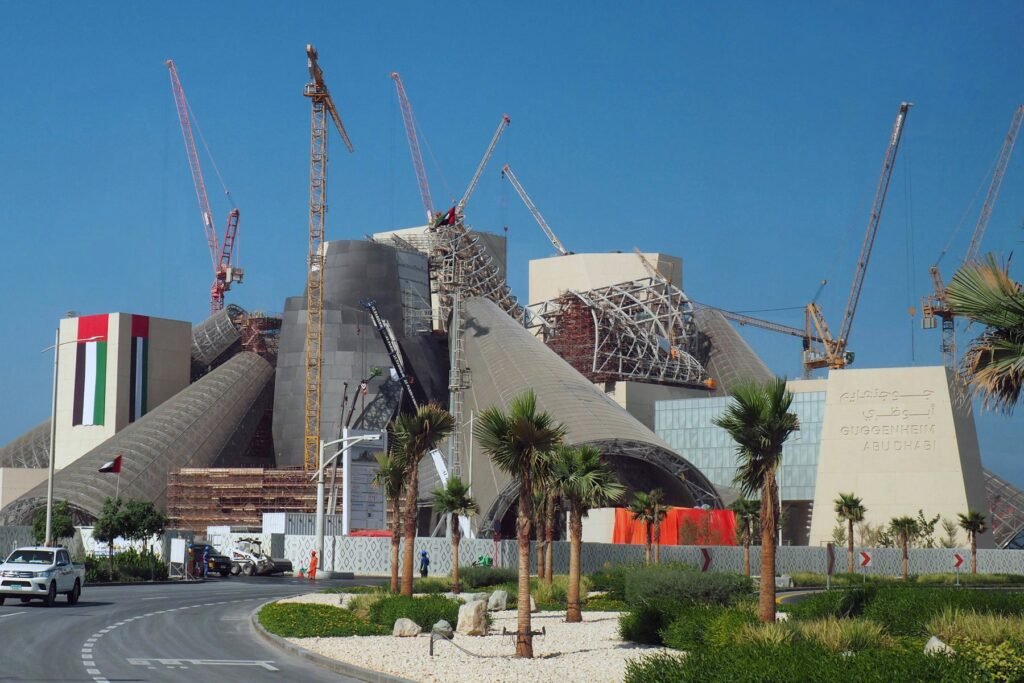
What Shanghai is really doing this season is consolidating Asia’s position as the place where the art world’s emerging consensus becomes visible first. The Armory Show shifted its calendar for Seoul. Abu Dhabi is building a Guggenheim and launching Frieze Abu Dhabi. Paris has a new Art Basel director navigating a Centre Pompidou closure. But the Shanghai art fairs represent something different: they’re not competing for attention by staggering or deferring. Instead, they’re declaring that this city’s cultural ecosystem is so concentrated that simultaneous major fairs only amplify the experience, making fall 2026 the year’s mandatory gathering for collectors, curators, and the global art world.