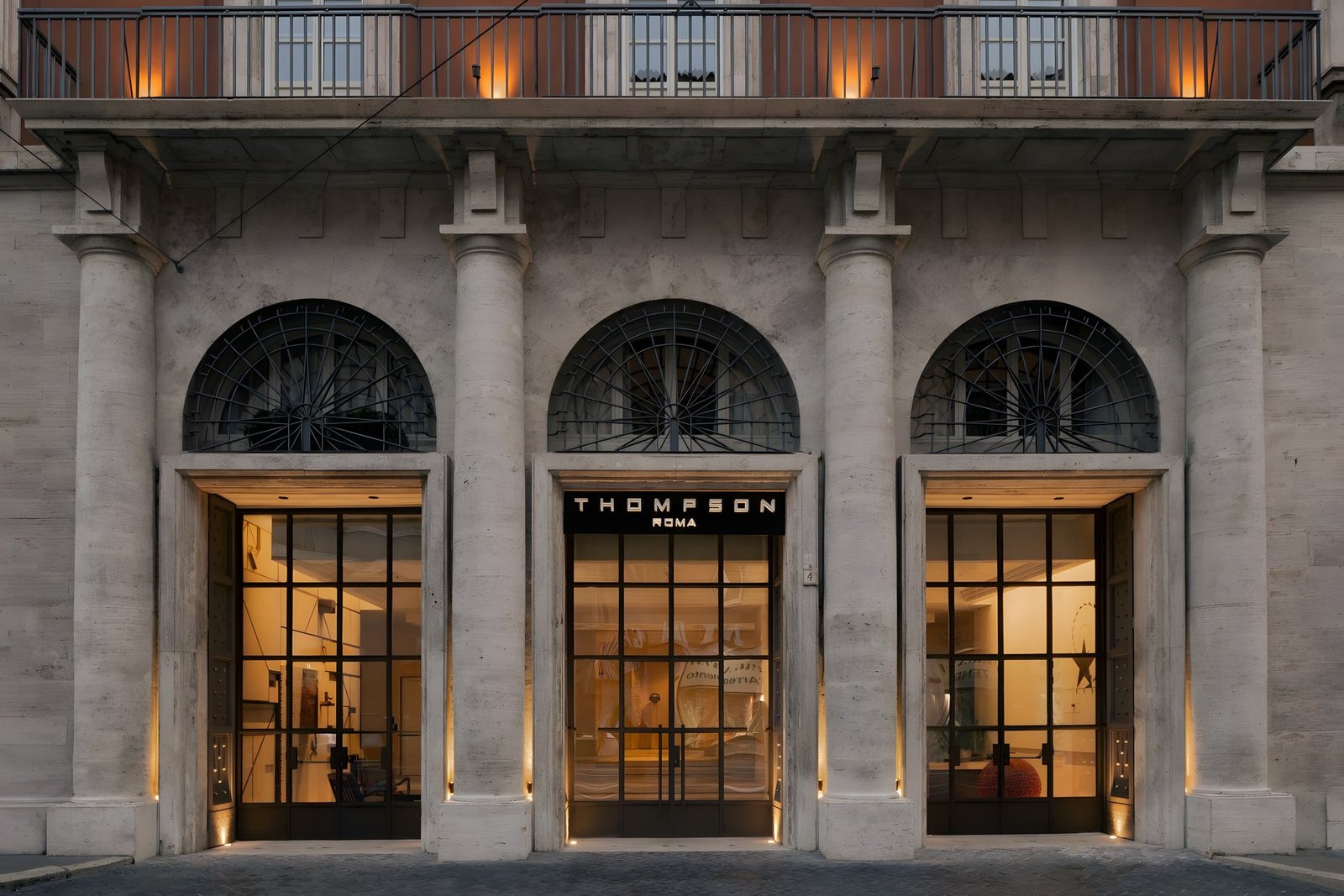
Thompson Rome: The Thompson brand brings its cool-girl hospitality DNA to its first Italian address.
Thompson Hotels is stepping into Rome this November with a property that signals the brand’s ambition to anchor itself in Europe’s most culturally loaded cities. The move marks Thompson’s first location in Italy and arrives as the hospitality group continues its expansion beyond its North American stronghold.
The opening represents a calculated play into a market where Thompson’s particular blend of design-forward interiors, elevated service standards, and cultural programming can flourish. Rome’s tourism infrastructure is mature enough to support luxury boutique concepts, yet the city remains underserved by hotel brands that prioritize aesthetic conviction alongside comfort. Thompson’s track record suggests the brand understands this niche well.
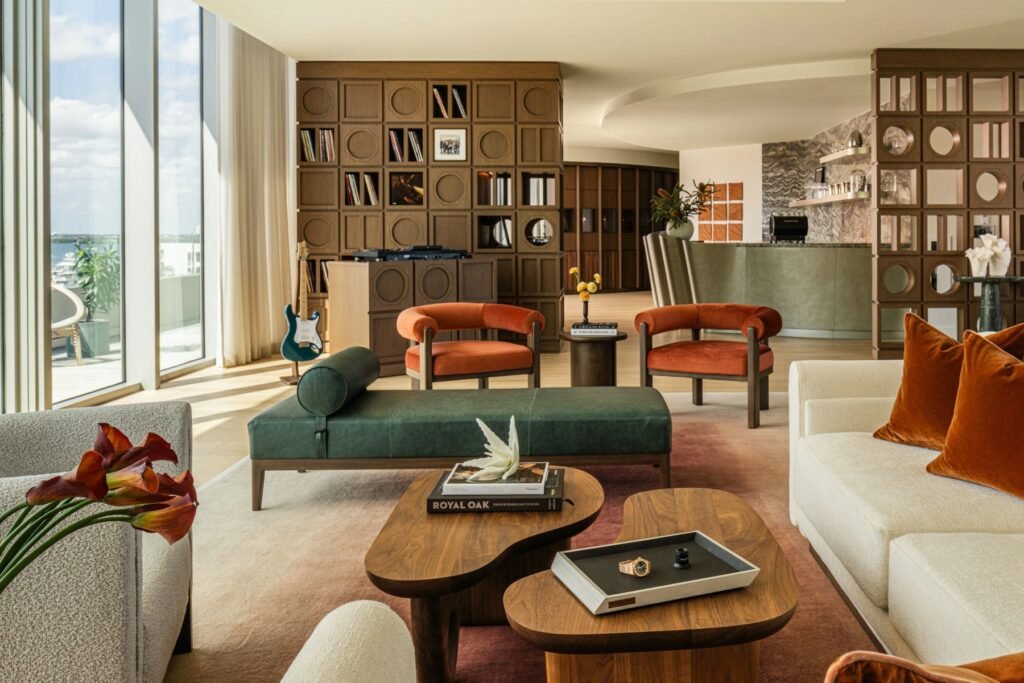
What makes Thompson’s arrival notable is the specificity of its positioning. Rather than compete on scale or historical prestige, Thompson typically anchors its properties around curatorial taste and an intuitive grasp of what matters to travelers who care about design, art, and local access. This translates into thoughtful art commissions, partnerships with neighborhood restaurants and galleries, and interiors that feel considered rather than templated. Rome’s creative class and high-net-worth travelers have signaled appetite for exactly this type of offering.
The November launch timing positions Thompson to capture the shoulder season travel wave before the year closes out. Rome’s late autumn offers relief from summer crowds while maintaining mild weather, making it an ideal window for property debuts that want maximum press attention and guest experience quality.
Thompson’s Italian entry also signals a broader strategic shift. While the brand built its reputation in Miami, Los Angeles, and New York, international expansion remains critical for growth. Europe represents underutilized territory for Thompson, particularly in cities where American hotel groups have minimal footprint. Rome’s combination of tourism volume, luxury spending capacity, and cultural cachet makes it an obvious first move.
The property itself merits attention in Thompson’s design narrative. Working with architect Aline Asmar d’Amman, known for reimagining historic spaces through an upcycled lens, Thompson’s Rome palazzo reportedly draws inspiration from operatic grandeur. This approach mirrors Thompson’s broader design philosophy, which often subverts classical luxury through contemporary intervention rather than reverential restoration. A palazzo reimagined as an opera set signals theatricality and cultural engagement, not passive opulence.
For travelers tracking Thompson’s movement, Rome marks a turning point. The brand is no longer purely a North American phenomenon tethered to leisure cities and coastal real estate. Thompson Rome represents a genuine international player with the ambition to shape how boutique hospitality functions in centuries-old European contexts. Whether this opens doors for further Thompson locations across the continent remains to be seen, but the Rome debut suggests the brand has refined its formula enough to travel beyond familiar territory.