Singapore Airlines Cabin Design: The five-star carrier is redefining premium long-haul travel with a cabin that treats the seat like a private suite, not a flying hotel bed.
Singapore Airlines cabin design has spent decades building its reputation on being meticulous about the details that matter when you’re locked in a metal tube for 18 hours. The airline’s new long-haul cabin, rolling out across its fleet starting in 2026, doubles down on the one thing every premium passenger actually wants: to be left alone.
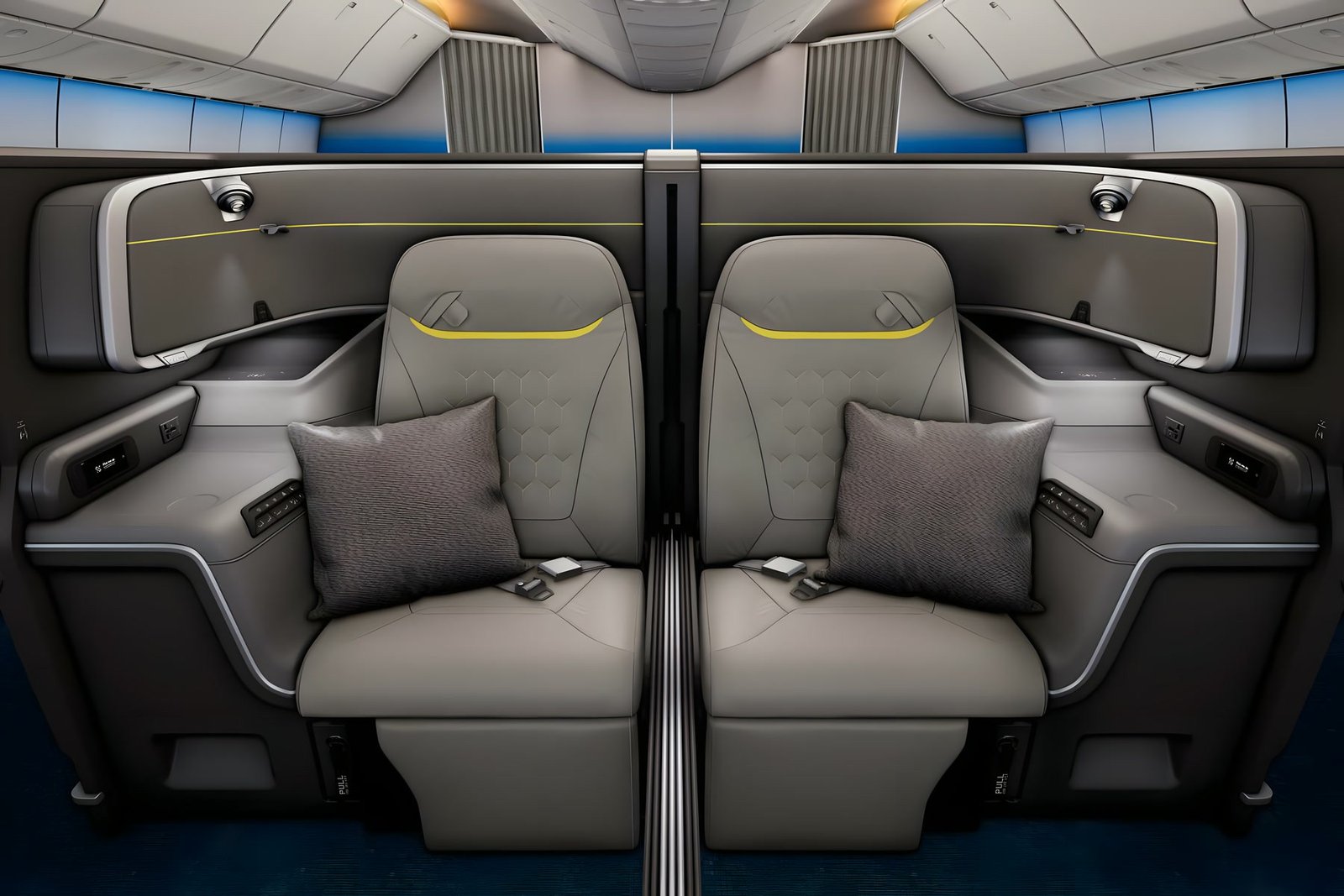
The reimagined suite prioritizes spatial privacy and personal control in ways that feel deliberately designed against the creeping commodification of business class. Rather than following the industry trend of making cabins feel like elongated lounges where everything is visible and sharable, Singapore Airlines has engineered what amounts to a first-class cabin for everyone who books at that tier. Each seat converts into a fully enclosed pod with direct-aisle access, eliminating the forced intimacy of middle-seat configurations where you’re perpetually aware of your neighbor’s sleep cycle, meal timing, and bathroom visits.
The specifics matter here. The carrier has invested in what it’s calling a “universal aisle access” layout, meaning no passenger is trapped in a middle row or competing for elbow room with someone else’s reclined seat. This is the antithesis of the herringbone and middle-seat configurations that have dominated premium cabins for the past decade, where airlines squeezed in extra seats by forcing passengers into geometric arrangements that look good in marketing renders but feel claustrophobic in reality.
What makes this move culturally significant is timing. We’re in an era where every luxury brand is shouting about experiences, immersion, and connectivity. Singapore Airlines is instead betting that the most coveted luxury experience on a 17-hour flight is disconnection and control. The new suites come with fully closing doors, personal lighting systems that passengers control independently, and what the airline describes as “enhanced noise insulation.” Translation: you can’t hear your neighbor’s movie, their calls, or their snoring. This is radical specificity in an industry that usually sells premium products by adding more stuff, more screens, more choices.
The design also signals a subtle but important shift in how airlines are thinking about the business traveler’s actual needs versus aspirational marketing. Singapore Airlines isn’t pitching a “suite experience” because it sounds luxury. It’s building one because the people paying six figures for a seat are increasingly exhausted by performance, by being seen, by the theater of premium travel where everyone’s supposed to look like they’re enjoying their caviar and champagne. The new cabin architecture acknowledges that privacy isn’t a secondary feature; it’s the primary feature. The lie-flat bed, the premium food, the noise cancellation, the personal door, all of that is table stakes. The real product is being left alone.
The rollout starting in 2026 also means Singapore Airlines is making a long-term bet on this direction, not testing it on a single route or aircraft. This is infrastructure investment, which signals genuine conviction rather than a marketing play. The airline is essentially saying that this is what premium long-haul travel will look like for the next decade at least.
It’s worth noting that this approach stands in contrast to the direction taken by some competitors, who have increasingly blurred the lines between premium cabin socializing and private travel, adding bars, lounges, and open seating areas that might appeal to conference attendees or wealthy tourists but feel intrusive to anyone just trying to sleep and arrive without having performatively networked at 35,000 feet.
Singapore Airlines has built its entire brand identity on the principle that flying should be seamless, invisible, and tailored to what you actually need rather than what looks good on Instagram. The new Singapore Airlines cabin design is the most direct statement yet of that philosophy: in an age when brands are aggressively mining attention, this airline is instead betting that true luxury is the freedom not to perform.