Constantinople To Istanbul Exhibition: The museum’s most ambitious autumn offering traces two empires’ creative output through hundreds of relics, paintings, and architectural treasures across seven months.
The Constantinople to Istanbul exhibition arrives at the V&A on November 7, unlocking 1,600 years of artistic ambition in a single show. Spanning through May 9, 2027, at the South Kensington location on Cromwell Road, this exhibition stands as one of London’s most sweeping cultural events of the season. What makes this show exceptional isn’t just its scale but its refusal to treat history as a neatly divided story. Instead, the V&A is staging a visual argument about continuity, creative innovation, and how a single city’s makers across vastly different political regimes produced art that still commands attention.
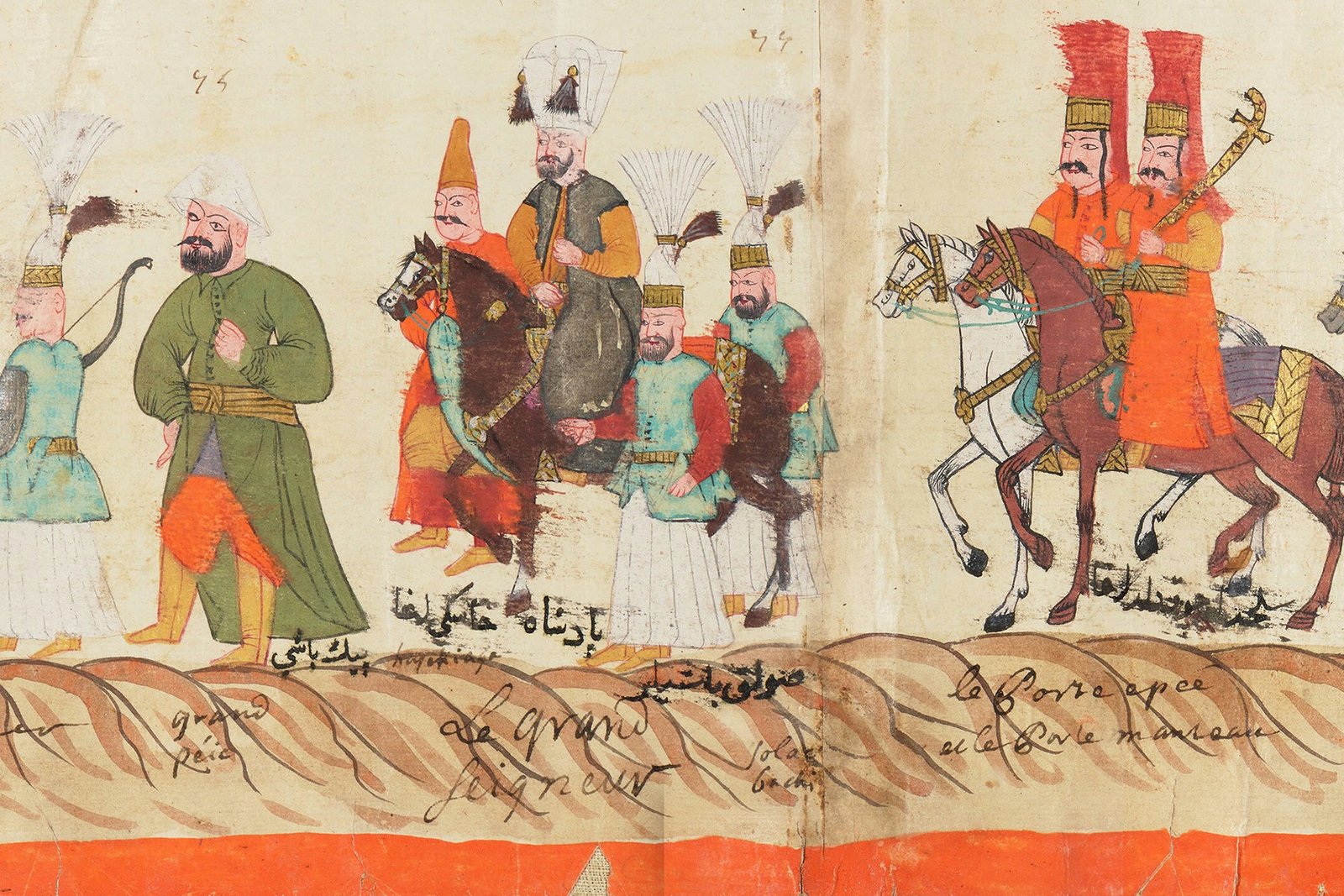
The exhibition brings together hundreds of relics from Istanbul’s artistic past, assembling works of art, design, and architecture that document the Byzantine and Ottoman periods. Among the pieces on display is a watercolor titled “The Sultan riding out in procession to Friday Prayers,” created by an anonymous Greek artist around 1809, now held in Istanbul. This single image encapsulates the exhibition’s core tension: a Greek artist rendering an Ottoman sovereign in the same city that had been Christian capital for over a millennium. These aren’t separate stories neatly filed away; they’re overlapping narratives rendered in pigment and ink.
Constantinople to Istanbul: The Byzantine-Ottoman Bridge
November has established itself as London’s secondary blockbuster season, running parallel to the summer exhibition rush. The V&A’s Constantinople to Istanbul joins an unusually dense month of major openings. Van Eyck: The Portraits arrives at the National Gallery on November 21, bringing together all nine of Jan van Eyck’s known painted portraits from across Europe for the first time. The same day, Peggy Guggenheim in London: The Making of a Collector opens at the Royal Academy, telling the story of Guggenheim’s Cork Street gallery from 1938 and 1939, which staged Vasily Kandinsky’s first UK solo show. At Tate Britain, Vanessa Bell & Duncan Grant: Inside Bloomsbury opens November 12, featuring more than 300 works tracing a five-decade creative partnership. On November 24, Nan Goldin: You Never Did Anything Wrong opens at the Hayward Gallery, marking the American photographer’s first major UK institutional show since 2002, with opening-week tickets priced at £7.50 to mark the Southbank Centre’s 75th anniversary.
Against this calendar, the Constantinople to Istanbul exhibition positions itself as something different from a painter’s retrospective or a collector’s survey. It’s a city-centered show, the kind that seldom exists in museum programming. The V&A isn’t hanging masterworks by individual genius; it’s constructing a visual history of urban creative production across empires and centuries, examining what happens when artistic traditions survive political rupture.
The Byzantine-Ottoman Bridge
The exhibition’s central argument rests on a creative lineage that never fully snapped. After 1453, when Ottoman forces conquered Constantinople, the city didn’t simply reinvent itself wholesale. Artists, craftspeople, and architects inherited techniques, compositional traditions, and aesthetic principles developed under Byzantine rule. The watercolor of the Sultan in procession demonstrates this directly: the artist working in the Ottoman period employed visual conventions shaped by centuries of Christian imperial imagery. The exhibition stages this relationship as neither continuity nor rupture but as genuine artistic adaptation, where forms survive and transform.
At £22 per ticket, with concessions available, the exhibition positions itself as accessible to serious students of art history and casual visitors alike. The seven-month run, from November 7 through May 9, 2027, provides unusual duration for a show of this ambition, suggesting the V&A’s confidence in the material and its desire to reach a broad seasonal audience across winter and spring.
What distinguishes Constantinople to Istanbul from typical retrospectives or empire-focused shows is its focus on creative practice rather than political narrative. The museum isn’t staging a rise-and-fall story of two powers; it’s examining how artists worked within, against, and across imperial structures, how their techniques persisted, and how visual language adapted to new patrons and new contexts. That’s a more interesting historical claim than most blockbuster exhibitions dare to make.