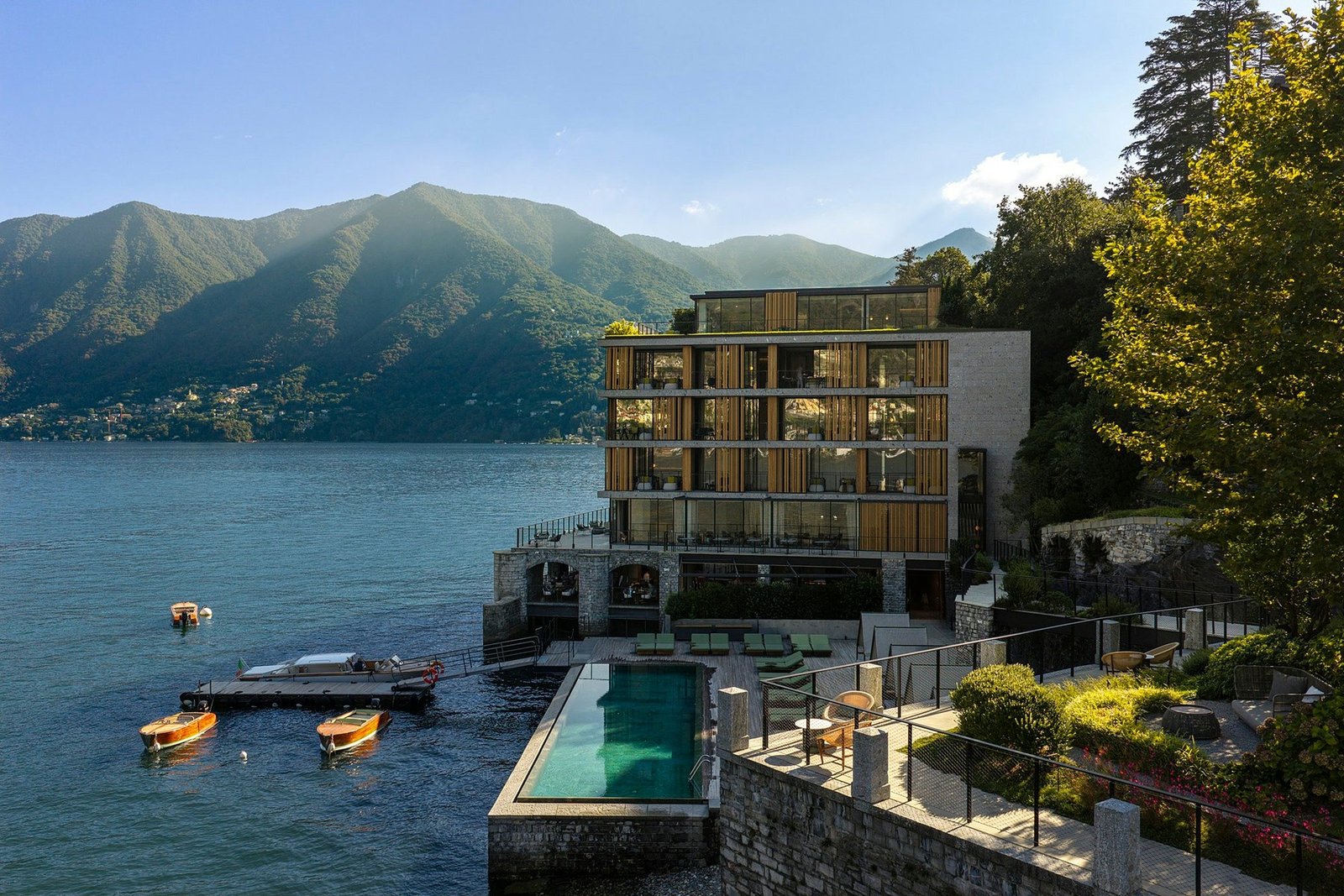
Jumeirah Lake Como: Dubai’s hospitality giant adds a European jewel to its portfolio, signaling aggressive expansion beyond its Middle Eastern stronghold.
Jumeirah Lake Como represents a full European entry for the Dubai-based luxury hospitality powerhouse and member of Dubai Holding. This strategic acquisition marks a significant shift in how global luxury operators are reshaping their geographic footprint and signals that the brand is no longer content playing second fiddle on the continent.
The acquisition slots neatly into a broader pattern of Jumeirah’s expansion strategy, one that deliberately positions the brand as the bridge between Middle Eastern wealth and European romanticism. Lake Como isn’t incidental to this narrative; it’s essential. The lake has long functioned as the final arbiter of luxury taste in Europe, a place where old money collects in centuries-old villas and where the very notion of “dolce vita” was practically invented. For Jumeirah to plant its flag here signals that the brand no longer views Europe as a market to service, but as territory to own.
What makes this move particularly sharp is the timing. While other luxury hospitality groups have been consolidating around established urban centers and beach destinations, Jumeirah is making calculated bets on destinations that carry cultural weight beyond mere amenity. Lake Como delivers that in spades. The region sits at the intersection of Italian heritage, Alpine drama, and concentrated wealth. It’s the kind of location that doesn’t require marketing; it requires curation. And that’s where Jumeirah’s expertise, honed across decades of managing some of the world’s most exclusive properties, becomes the draw.
The European portfolio itself has been quietly impressive. This Lake Como addition represents Jumeirah’s continued push beyond its foundational properties, expanding the brand’s reach into new markets while maintaining the luxury positioning that made it synonymous with ultra-high-end hospitality. The move also reflects a larger truth about luxury travel today: geography matters less than the right geography. A property in the right location, managed with the right operational rigor, can command attention and pricing power regardless of regional market saturation.
What Jumeirah brings to Lake Como is operational discipline and an understanding of how to service ultra-wealthy clientele at scale without sacrificing personalization. The brand’s fingerprints are recognizable across its properties: meticulous attention to detail, strategic deployment of local cultural touchstones, and a willingness to invest in long-term brand positioning rather than quarterly returns. In a market where Lake Como’s traditional operators are often family-run or regionally managed, Jumeirah represents something different: global infrastructure backing local expertise.
The consolidation of luxury hospitality under fewer, larger, more professionally managed umbrellas represents the future of the industry. Jumeirah Lake Como exemplifies this trend, combining global infrastructure with local expertise. That’s good news for consistency and bad news for anyone who cherished the romance of family-run, idiosyncratic European properties. What’s gained in reliability is lost in character. Whether that trade-off matters depends entirely on who’s paying the bill.