Art Basel Miami Beach 2026: November 30 marks the start of the world’s most concentrated art market collision, with Art Basel reimagining its floor plan and Miami’s satellite fairs offering everything from emerging galleries to oceanfront installations.
Every December, Miami transforms into something resembling a temporary nation-state for the art world’s elite: billionaires, mega-galleries, and collectors converge on South Florida for what amounts to a week-long transaction of billions of dollars in cultural capital. This year, Art Basel Miami Beach 2026 begins November 30, and according to W Magazine, the scale has expanded. The fair will bring together 272 galleries from more than 40 countries and territories, making it the largest edition yet. But the real story isn’t just size; it’s how the fair is fundamentally rethinking itself.
Art Basel Miami Beach 2026’s Floor Plan Revolution
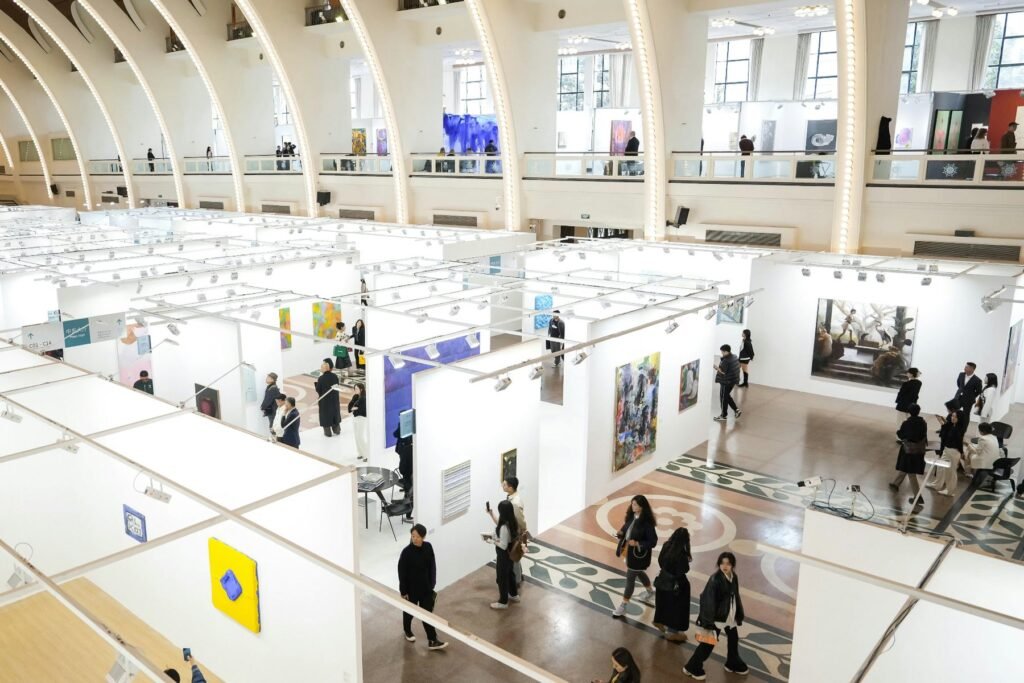
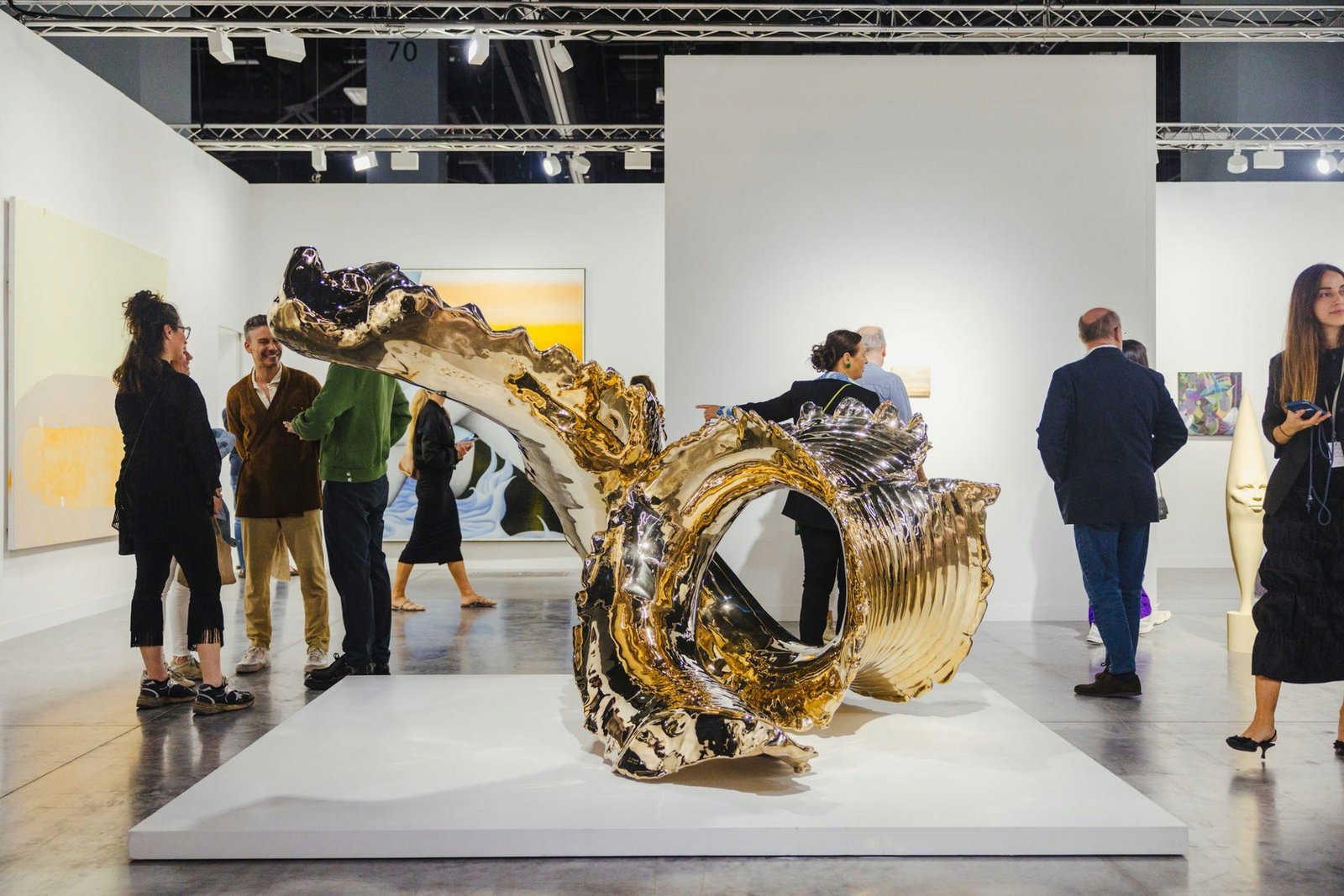
The Miami Beach Convention Center, the sprawling white box that serves as the fair’s anchor, has undergone what the fair calls a physical reconfiguration. The overall floor plan will shrink by approximately 12 percent, according to W Magazine, but here’s the counterintuitive move: individual booths will be given more breathing room. The mega-galleries that previously clustered together in the center of the fair will now scatter throughout the layout. It’s a deliberate strategy to disrupt the predictable pilgrimage pattern that seasoned collectors have followed for years. Rather than making a beeline for the heavyweight galleries and calling it a day, the revised setup encourages actual discovery. For fairgoers accustomed to navigating the event like a GTA Vice City mission (W Magazine’s comparison), this restructuring might actually force them to look up from their maps.
What’s Actually Worth Looking At
Among the booths marking the must-see list: Madrid’s Travesía Cuatro is presenting a selection of works centered on the moon as both destination and symbolic fantasy. The presentation includes Álvaro Urbano’s imagined lunar plants, moon landscapes by Friedrich Kunath and Eleonore Koch, and pieces by Jorge Eielson, the Peruvian conceptual artist who once pitched NASA on sending his sculptures and ashes to space. It’s the kind of ambitious thematic coherence that separates memorable booths from forgettable ones.
Mariposa, making its Art Basel Miami Beach debut, will showcase handpainted photographs and silver gelatin prints from Peter Berlin, who might be described as the artistic godfather of the modern thirst trap. These works haven’t been displayed publicly for 40 years, according to W Magazine. Shot using double exposure, Berlin’s self-portraits create what the gallery describes as “a psychological theater of narcissism, fantasy, and self-invention.” The historical weight of unseen material is exactly the kind of rediscovery that justifies the fair’s existence.
Manhattan’s Lehmann Maupin is celebrating its 30th anniversary with what amounts to a victory lap. The gallery is displaying several of its artists who have major current or upcoming museum placements: Hernan Bas is the subject of a retrospective at Miami’s Rubell Museum, Do Ho Suh has a solo exhibition coming to the Guggenheim next year, and Alex Prager will present at Crystal Bridges in 2027. It’s a carefully curated statement about institutional validation and market timing.
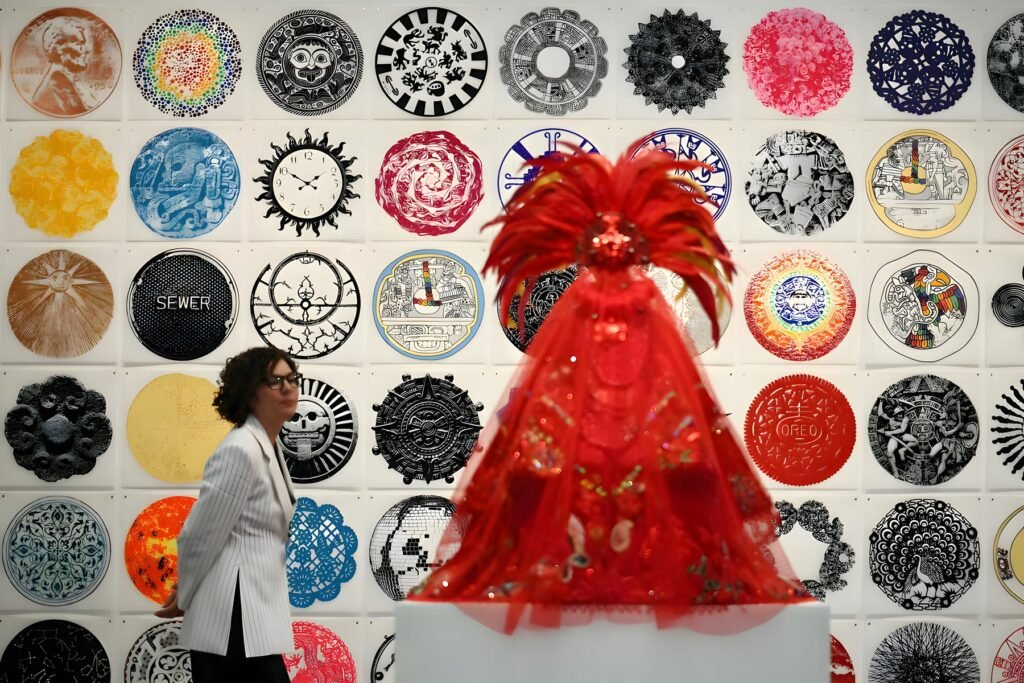
DC Moore Gallery will present Joyce Kozloff’s Patterns of Desire series in the Kabinett section, displaying rarely seen watercolor paintings from 1987 to 1989 that juxtapose historic hand-drawn pornography against classical ornamental motifs. The specificity of that conceptual collision is exactly the kind of historical deep dive that separates Art Basel from generic contemporary art fairs. Meanwhile, the digital art section is expanding to its biggest selection yet, according to sources, featuring Jon Rafman, Refik Anadol, and Sarah Meyohas.
Beyond the Convention Center
Art Basel commands attention, but Miami Art Week stretches far beyond its walls. According to ArtRabbit, the full week runs from November 30 to December 6, with multiple fairs operating simultaneously across Miami Beach and the mainland. NADA Miami, in its 24th edition, brings together more than 130 galleries and art spaces with emphasis on emerging artists and experimental practices. For many visitors, ArtRabbit notes, NADA is every bit as interesting as Basel itself. Untitled Art, now in its 15th edition, sits directly on Miami Beach sand and focuses on emerging practices and new perspectives. This year it’s introducing Artnet Airwaves, a two-day live podcast program on December 2 and 3.
Design Miami stakes its territory for those interested in collectible objects, furniture, and architecture, while Art Miami and CONTEXT Art Miami operate as complementary experiences at One Herald Plaza downtown. Art Miami leans toward established modern and contemporary galleries, while CONTEXT focuses on contemporary and emerging work. Miami’s own gallery presence matters too. Fredric Snitzer, Nina Johnson, Gavlak, and Spinello Projects (presenting five local artists bound by the same shade of dark blue and booth walls painted to match) are among the distinctive presences shaping the week’s texture.
The sheer concentration of galleries, fairs, and capital colliding in one week remains unmatched in the global art calendar. Whether the reconfigured floor plan at Basel actually produces more discovery or simply creates new paths to the same destinations remains to be seen. What’s certain is that November 30 marks the start of the art world’s most expensive, most elaborate weekly ritual, and this year promises to be the largest yet.