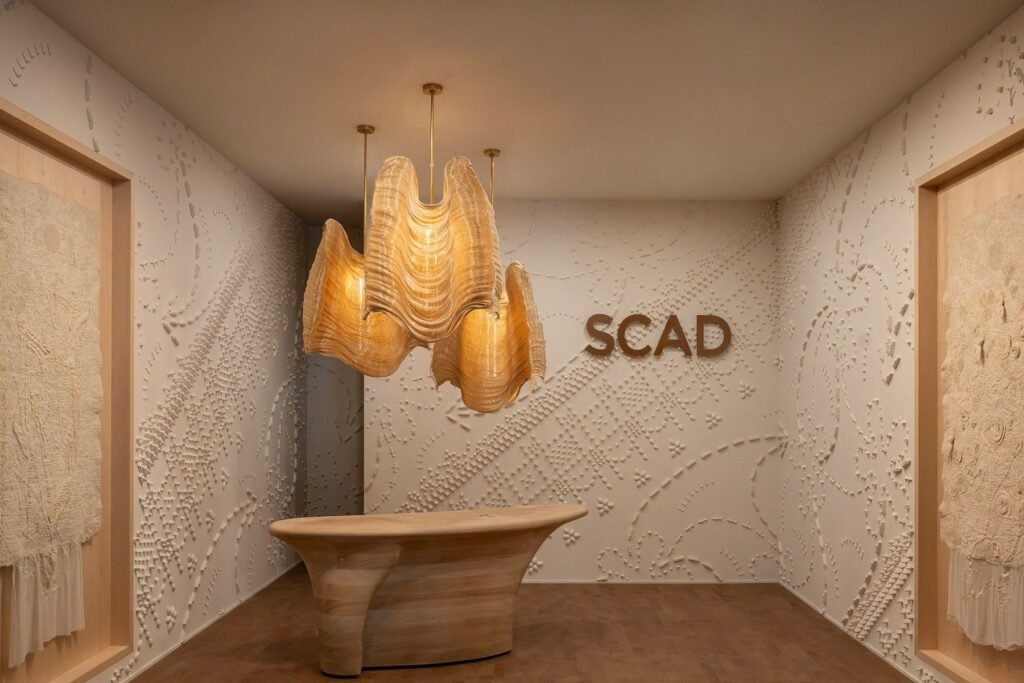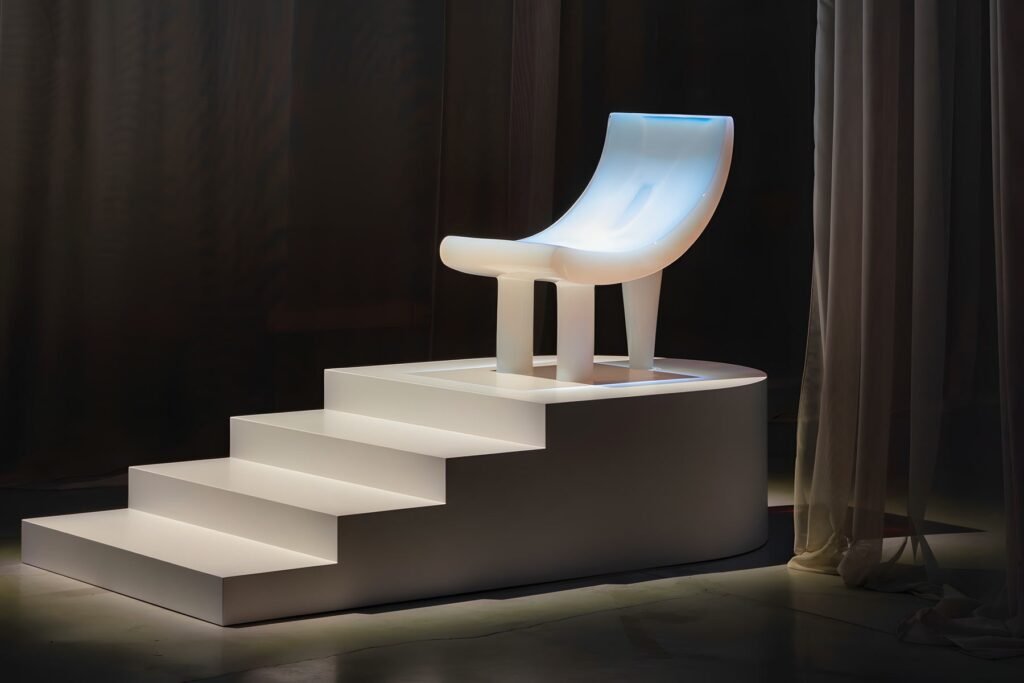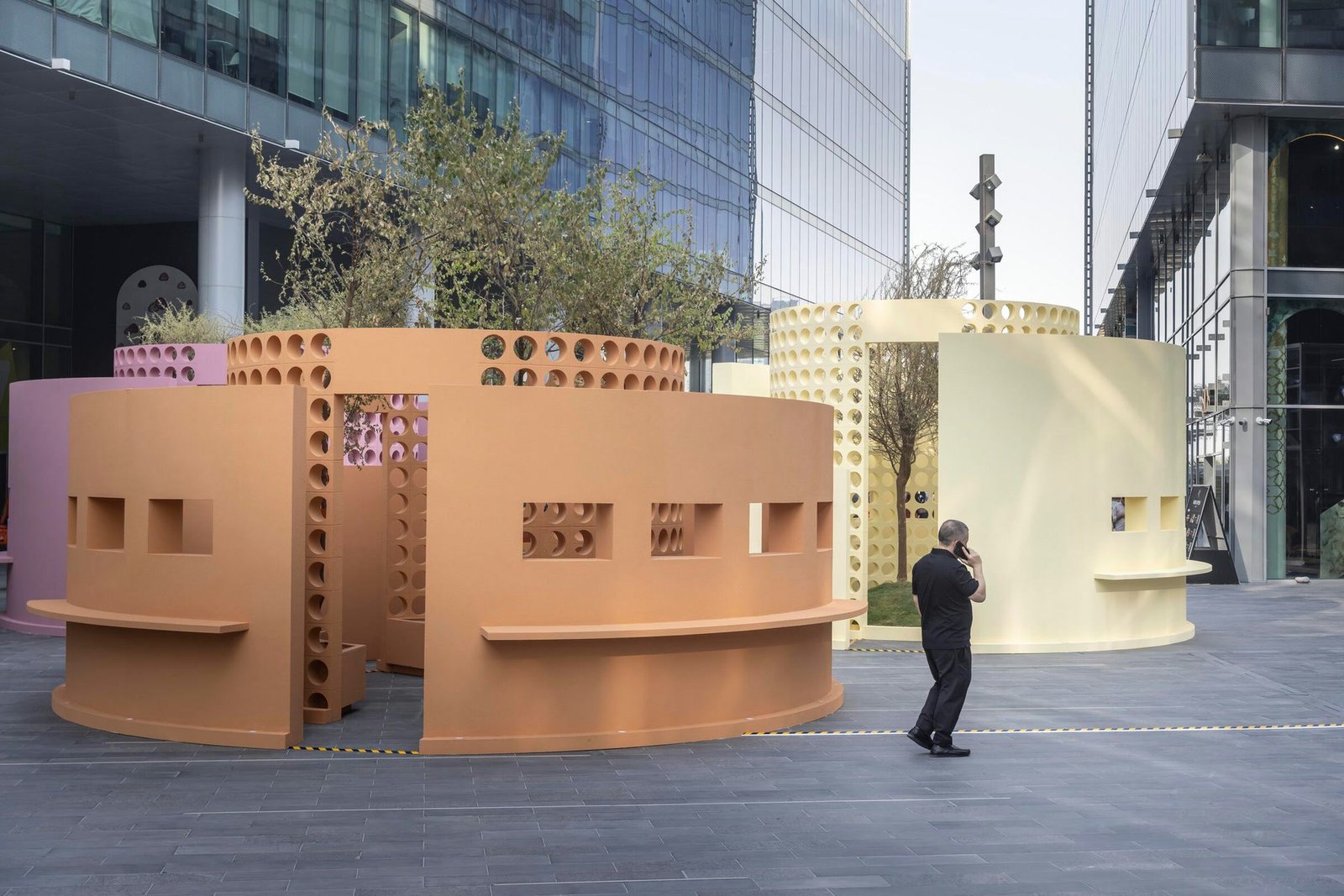
Dubai Design Week 2026: The Middle East’s largest design gathering returns for its 12th edition under royal patronage, introducing a new format for its flagship program and welcoming 300+ brands to a revamped marketplace.
Dubai Design Week has officially launched its 12th edition at Dubai Design District (d3), assembling creative practitioners, architects, and designers from more than 50 countries across the sprawling venue. Held under the patronage of Her Highness Sheikha Latifa bint Mohammed bin Rashid Al Maktoum, Chairperson of Dubai Culture & Arts Authority, the 2026 edition marks a significant expansion of the event’s scope and ambition, introducing structural changes that signal a maturing design ecosystem in the region.
The scale this year is unmistakable. The program features more than 40 installations, exhibitions, commissions, and activations, alongside a full calendar of talks, workshops, and public experiences designed to engage both industry insiders and general audiences. What distinguishes this edition, according to Natasha Carella, Director of Dubai Design Week, is the sophistication of the conversation itself. “There is a greater willingness to question established approaches, experiment with materials and engage with the social and environmental conditions that shape how we live,” Carella noted, emphasizing a shift toward more intellectually rigorous curatorial practice.
Dubai Design Week 2026: A Restructured Marketplace and Emerging Designer Focus
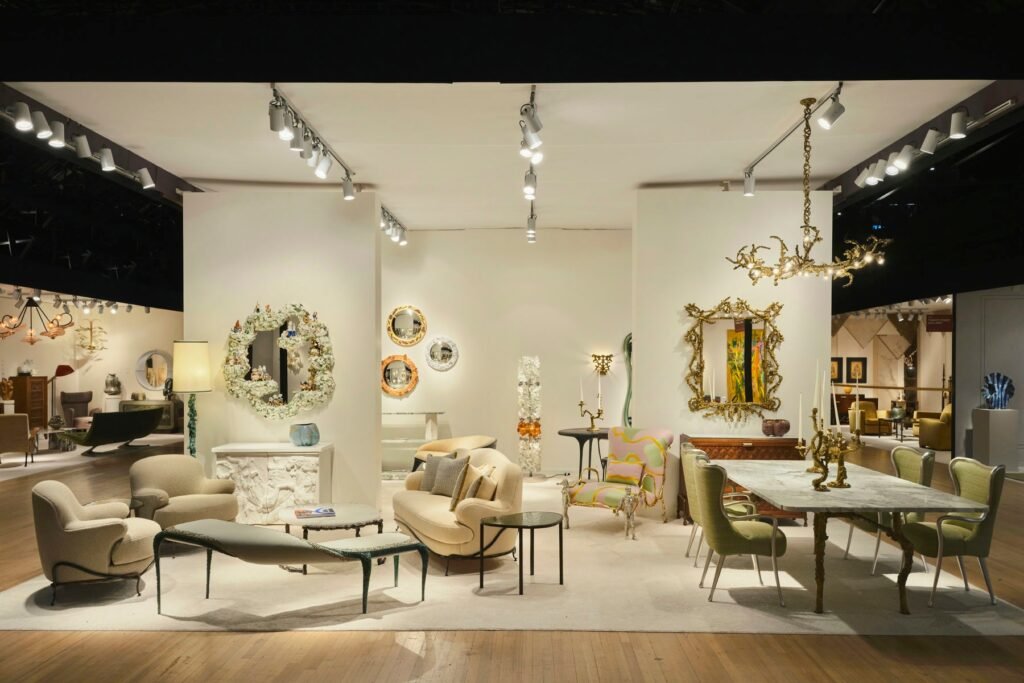
One of the most tangible changes comes through the redesigned Abwab program, which has introduced a new format for the 2026 cycle. Simultaneously, Downtown Design returns as a major component of the week, bringing together more than 300 brands and designers representing over 35 countries. This dual marketplace structure creates a bifurcated ecosystem where established international players operate alongside emerging regional talent, reducing the likelihood of boutique and experimental work being overshadowed by commercial muscle.
The UAE Designer Exhibition adds another layer to this commitment, presenting work from 30 local creatives. By ringfencing dedicated floor space and programming for Emirati practitioners, Dubai Design Week signals that regional talent development, not just international spectacle, forms the core of the event’s mission. Khadija Al Bastaki, Senior Vice President of Dubai Design District (d3), positioned this emphasis within a broader strategic framework, referencing the Design Sector Strategy 2033, a government roadmap for positioning Dubai as a global hub for design excellence.
Thematic Direction: Materiality, Knowledge, and Social Space
This year’s curatorial lens focuses on how design mediates human relationships and inhabitation. The programming places particular emphasis on the ways creative practice responds to changing social, cultural, and environmental needs. Across d3, this manifests through installations that reimagine shared spaces, exhibitions exploring the transmission of knowledge and cultural memory, and commissions investigating the relationship between people, materials, and their surroundings.
Carella highlighted the depth of this exploration: “What is particularly interesting about this year’s programme is the attention given to the processes and knowledge behind design, whether through the reinterpretation of traditional craft, new approaches to public space or the exploration of emerging technologies.” This signals a move beyond object-focused curation toward process-based discourse, a shift that elevates craft knowledge, technical innovation, and social utility as equally valid subjects of investigation.
Strategic Partnerships and Institutional Anchoring
The event operates under a governance structure that reflects its institutional significance. Strategic partnership with d3, the global creative hub that is part of TECOM Group, provides operational and financial stability, while support from Dubai Culture embeds the week within the broader cultural authority framework. This tri-party arrangement between a royal patron, a public cultural institution, and a commercial development entity illustrates how design weeks in the Gulf operate as hybrid public-private enterprises.
The involvement of luxury brands such as Van Cleef & Arpels, which sponsors the craft exhibition component, demonstrates how heritage craft narratives attract high-end commercial sponsorship. For the jewelry house, associating with reinterpretations of traditional craft techniques aligns with brand positioning around artisanal excellence and cultural depth. This sponsorship model allows experimental programming to reach audiences who might not naturally encounter it, while providing sponsors with cultural capital and brand differentiation.
The event operates under a governance structure that reflects its institutional significance. Strategic partnership with d3, the global creative hub that is part of TECOM Group, provides operational and financial stability, while support from Dubai Culture embeds the week within the broader cultural authority framework. This tri-party arrangement between a royal patron, a public cultural institution, and a commercial development entity illustrates how design weeks like Dubai Design Week 2026 in the Gulf operate as hybrid ecosystems, balancing commercial viability with cultural mission and regional talent development.