Fullgood Motor Phev: At LA Auto Show 2026, an under-the-radar Chinese brand reveals a loophole strategy: build cars abroad, ship them as parts, and rebrand them under a US partner’s name.
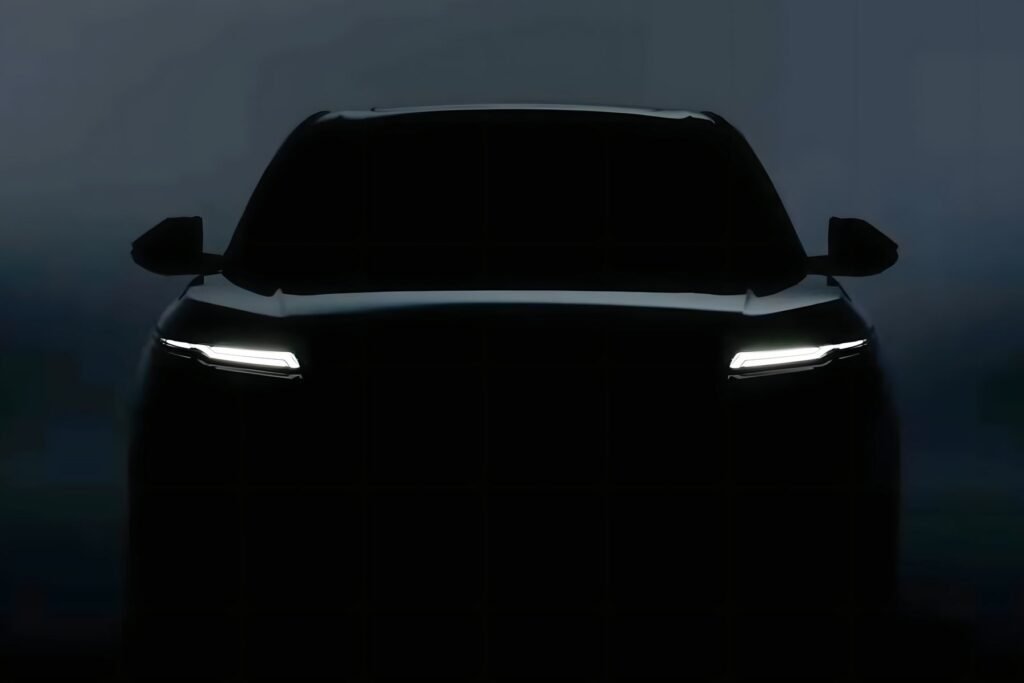
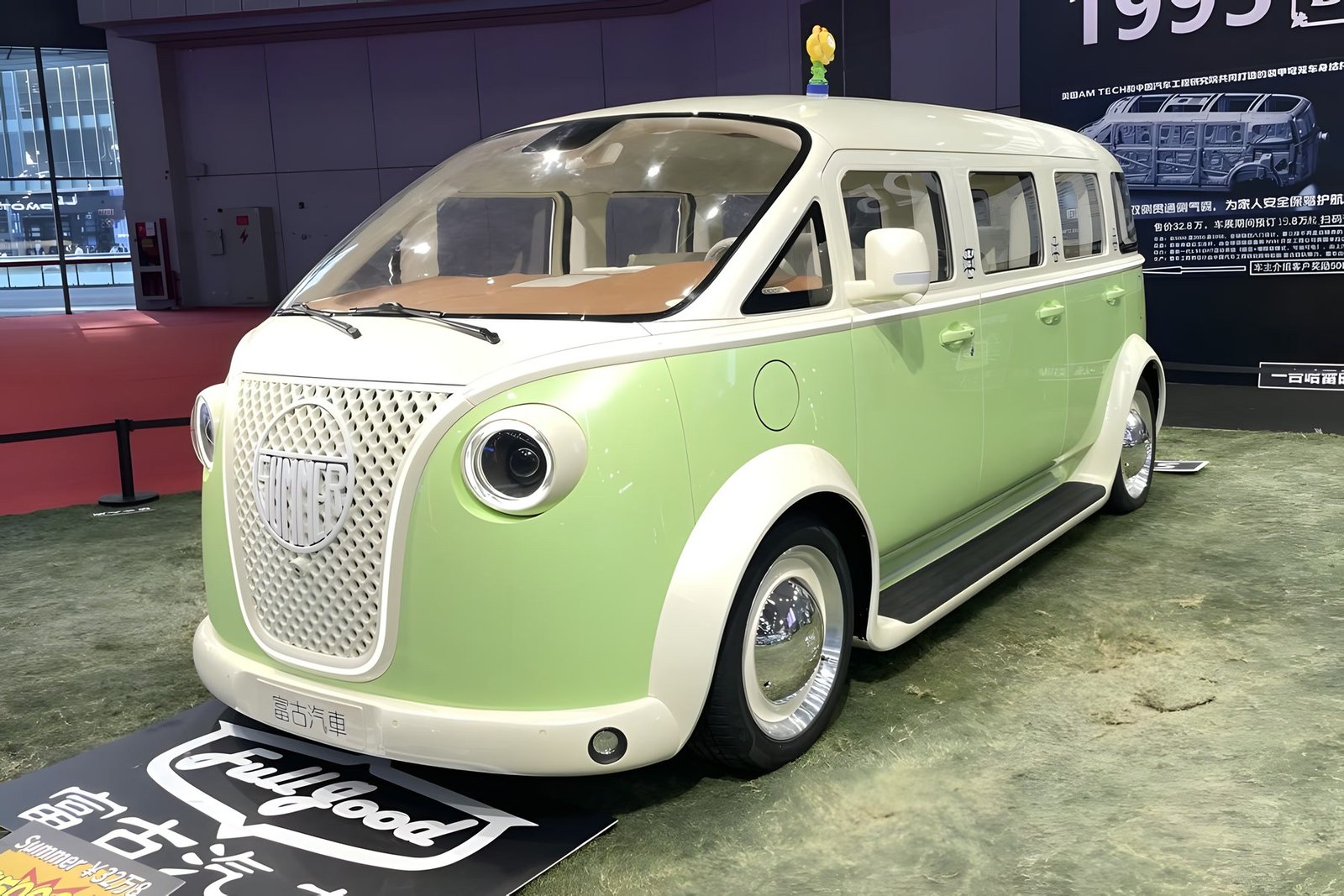
The LA Auto Show, which opens to the public on Friday, November 20, through November 29, with industry previews beginning Thursday, November 19, is traditionally a stage for the world’s biggest automakers to flex new models and technology. But buried in the official press materials is something far more intriguing: China’s FullGood Motor PHEV lineup is coming to the show with retro-styled plug-in hybrid vehicles, arriving via a workaround that exposes how porous America’s automotive gatekeeping actually is.
But buried in the official press materials from the LA Convention Center is something far more intriguing: China’s FullGood Motor is coming to the show with retro-styled plug-in hybrid vehicles, and they’re arriving via a workaround that exposes how porous America’s automotive gatekeeping actually is.
FullGood Motor PHEV Strategy: The American Assembly Loophole
According to the LA Auto Show press release, FullGood Motor’s strategy operates on a fundamental sleight of hand. The company will “export vehicles in component form for final assembly in the United States, to be sold and registered under an American partner’s brand rather than through a retail network of its own.” In other words, the cars won’t arrive as finished Chinese vehicles carrying a Chinese nameplate. They’ll come as knocked-down kits, get assembled stateside, and then get rebadged and sold under a US partner’s brand identity.
This is not a loophole in the technical sense; it’s a deliberate routing around both regulatory friction and consumer psychology. Import a finished vehicle from China and you hit tariffs, emissions certifications, and the considerable headwind of American skepticism toward Chinese automotive brands. Import the parts separately, assemble them domestically, and suddenly the origin story becomes murky in a way that favors the seller. The final product gets registered under an American company’s name, neutralizing the “made in China” liability before the first customer ever sees it.
The strategy is cunning precisely because it’s not illegal. US homologation rules don’t prohibit a foreign manufacturer from outsourcing final assembly to a domestic partner. China’s EV and battery makers have been blocked from selling directly into the US market through direct import restrictions, but FullGood Motor appears to have identified a path around that wall.
Retro Styling as Cultural Camouflage
The choice to debut retro-styled plug-in hybrids is equally strategic. Retro design has become a Trojan horse for automakers trying to sidestep the perception that they’re unfamiliar or risky. It signals heritage, nostalgia, and approachability in a way that cutting-edge design language cannot. A retro PHEV feels less alien, less foreign-tech-forward, more Americana.
LA Auto Show runs through November 29 and will host media and industry attendees beginning November 19 for AutoMobility LA 2026, with livestreams available through Hyundai’s YouTube channel and other official outlets. It’s a venue built for exactly this kind of debut. The LA Convention Center leans heavily into Southern California car culture, filling both indoor and outdoor spaces with test drives, displays, and custom vehicles that celebrate the region’s automotive identity. FullGood Motor’s choice to stage their US entry here, rather than at Detroit or another traditional auto hub, speaks to an understanding of how to position foreign hardware as part of an American cultural narrative.
The show will feature appearances from comedian Gabriel “Fluffy” Iglesias and five Volkswagen buses from his personal collection, reinforcing the blend of entertainment, nostalgia, and lifestyle branding that defines the event. Against that backdrop, retro-styled Chinese PHEVs assembled by American partners don’t feel like an invasion. They feel like just another entry in the great Southern California car show tradition.
What makes FullGood Motor’s move significant isn’t the vehicles themselves, which haven’t been driven or reviewed yet. It’s the admission that the direct route into the US market is now closed enough that Chinese automakers are willing to pursue indirect strategies. The component-assembly-and-rebrand model might not scale to mass-market volumes, but it proves that the appetite for Chinese automotive technology in America remains strong enough that someone will find a workaround, however unconventional. By November 29, we’ll know whether FullGood Motor’s bet pays off, or whether the retro styling and American partner branding amount to theater.