Design Miami 2026: The collectible design fair launches December 2 with a theme that invites visitors inside the cultural stories and craft techniques behind every object on the floor.
Design Miami 2026 is turning inward this year. After 22 editions, the fair has chosen “Unveiling” as its organizing principle, a curatorial directive that shifts focus from the objects themselves to the histories, makers, and processes that brought them into being. The fair opens December 2 for invitation-only preview days before the public floors open December 4 through 6, anchoring Miami Art Week’s calendar of concurrent fairs, galleries, and cultural interventions across the city and waterfront.
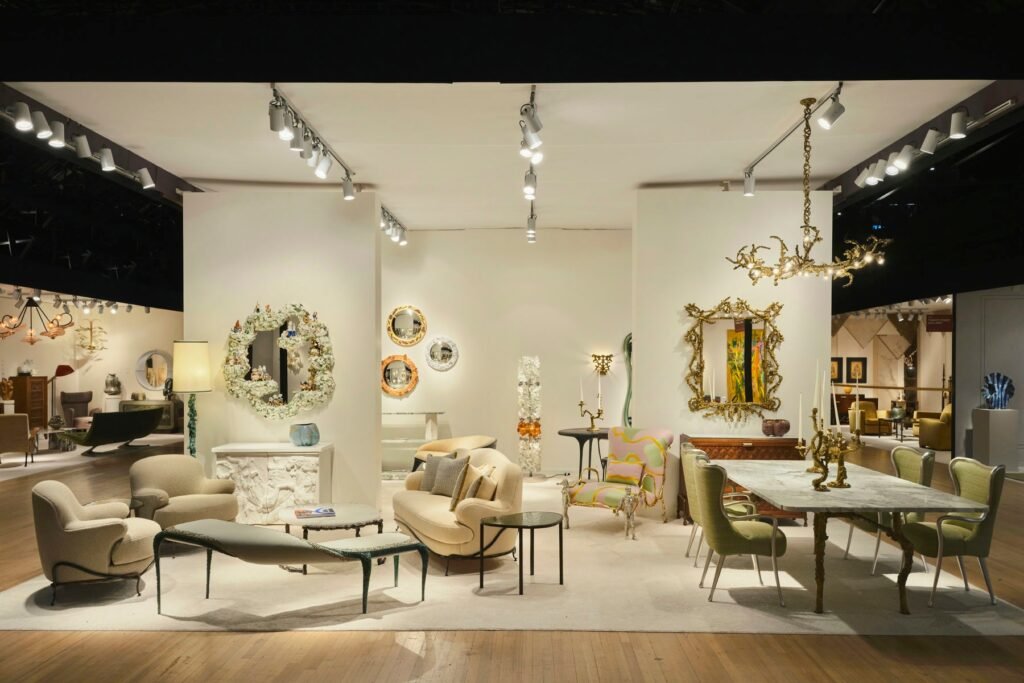
Under the direction of curator Charlene Prempeh, Design Miami is staging more than 75 exhibitors across historic and contemporary collectible design, with programming that extends well beyond traditional booth presentations. The 2026 edition pairs established galleries with emerging practices, presenting furniture, lighting, and sculptural works alongside experimental installations designed to deepen how visitors encounter the material. The Curio section offers a dedicated platform for more focused design presentations, while special projects and collaborations woven through the fair’s footprint create moments of discovery beyond the conventional gallery model.
Design Miami 2026’s ‘Unveiling’ Theme on the Floor
Design Miami operates within Miami Art Week, which runs November 30 through December 6, 2026, as a parallel track to Art Basel Miami Beach and dozens of satellite events, outdoor installations, and museum programs. The fair has become one of the main anchors of the week, drawing designers, collectors, and galleries working across generations of material experimentation and craftsmanship. Its position in the calendar creates a rhythm for the week: collectors and design professionals move between Design Miami’s focused curatorial vision and the broader contemporary art landscape that Art Basel Miami Beach represents at the Miami Beach Convention Center.
The fair’s curatorial approach distinguishes it from the scale and scope of Art Basel, which returns to the Miami Beach Convention Center with 272 exhibitors from more than 40 countries and territories, alongside more than 30 galleries participating for the first time. Art Basel’s floor plan has been reconfigured for 2026 with a smaller overall footprint and longer sightlines, distributing established international galleries throughout the space alongside younger exhibitors. Its sectors, including Nova for recently created pieces, Positions for emerging artists through solo booths, and Survey for historically significant practices, organize contemporary and historic work by methodology rather than by object type or geography.
What “Unveiling” Means on the Floor
Prempeh’s choice of “Unveiling” invites a specific kind of engagement. Rather than presenting collectible design as finished product or status symbol, the theme asks exhibitors and visitors to look at the cultural stories embedded in each piece. This curatorial stance opens space for conversations about craft techniques, the hands and minds behind production, and the histories that objects carry. For a fair built on the premise that design objects merit the same critical attention and collection status as contemporary art, this represents a deepening of that argument: the story of how something was made, by whom, and in what context, is itself part of its value.
The program structure supports this approach. Beyond the main gallery presentations, special projects and collaborations are integrated into the fair’s layout, creating moments that encourage visitors to slow down and engage with process rather than rush through accumulation. The Curio section functions as a curation within curation, offering exhibitors the chance to present design work through a narrower, more thematic lens.
Design Miami Inside Miami Art Week’s Broader Moment
Design Miami’s 22nd edition arrives during a year when Miami Art Week itself has expanded into something resembling a citywide cultural event. Beyond the convention center floors and fair pavilions, the week now includes giant mirrored disco balls on Faena Beach, interactive sculptural installations by Objects of Common Interest in the Miami Design District, swimming-pool-sized installations, and exhibitions across the city’s museums and galleries. The fair’s decision to center “Unveiling” as its theme feels deliberately countercurrent to that expansion, an insistence that depth and historical literacy matter as much as spectacle and scale.
Invitation-only preview days run December 2 and 3, giving collectors and industry professionals first access to the floor. Public hours begin December 4 and run through December 6. The fair operates as part of a wider economic and cultural engine: Design Miami’s focus on the stories behind objects, the processes of making, and the cultural contexts of design sits alongside Art Basel’s contemporary art market, emerging artist platforms, and digital art initiatives, creating a week in which different markets, aesthetics, and collection practices operate in proximity to one another.