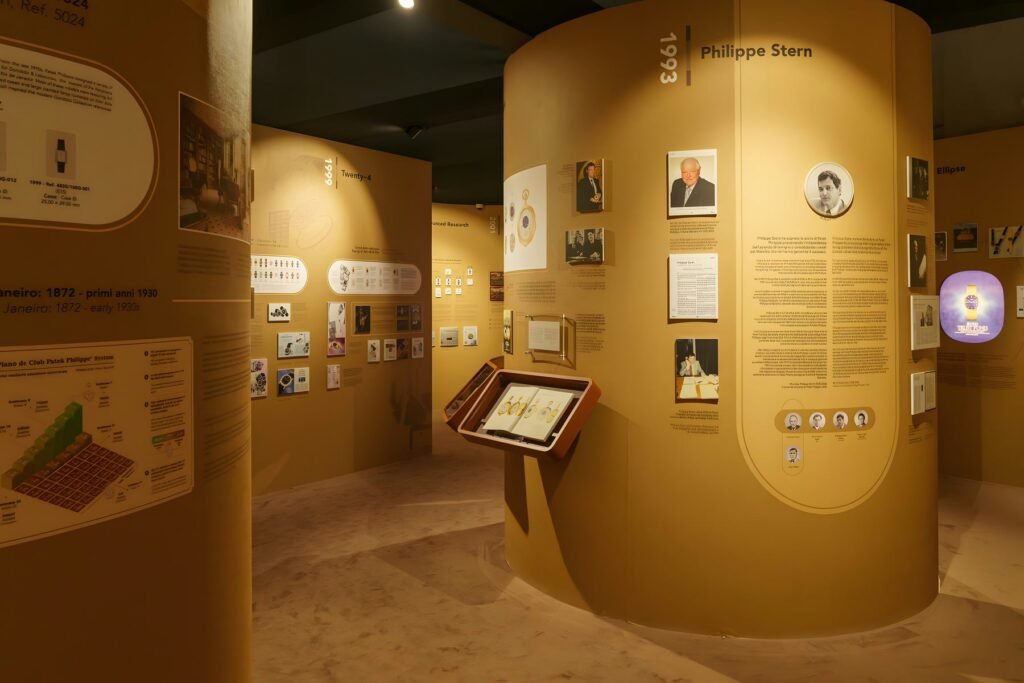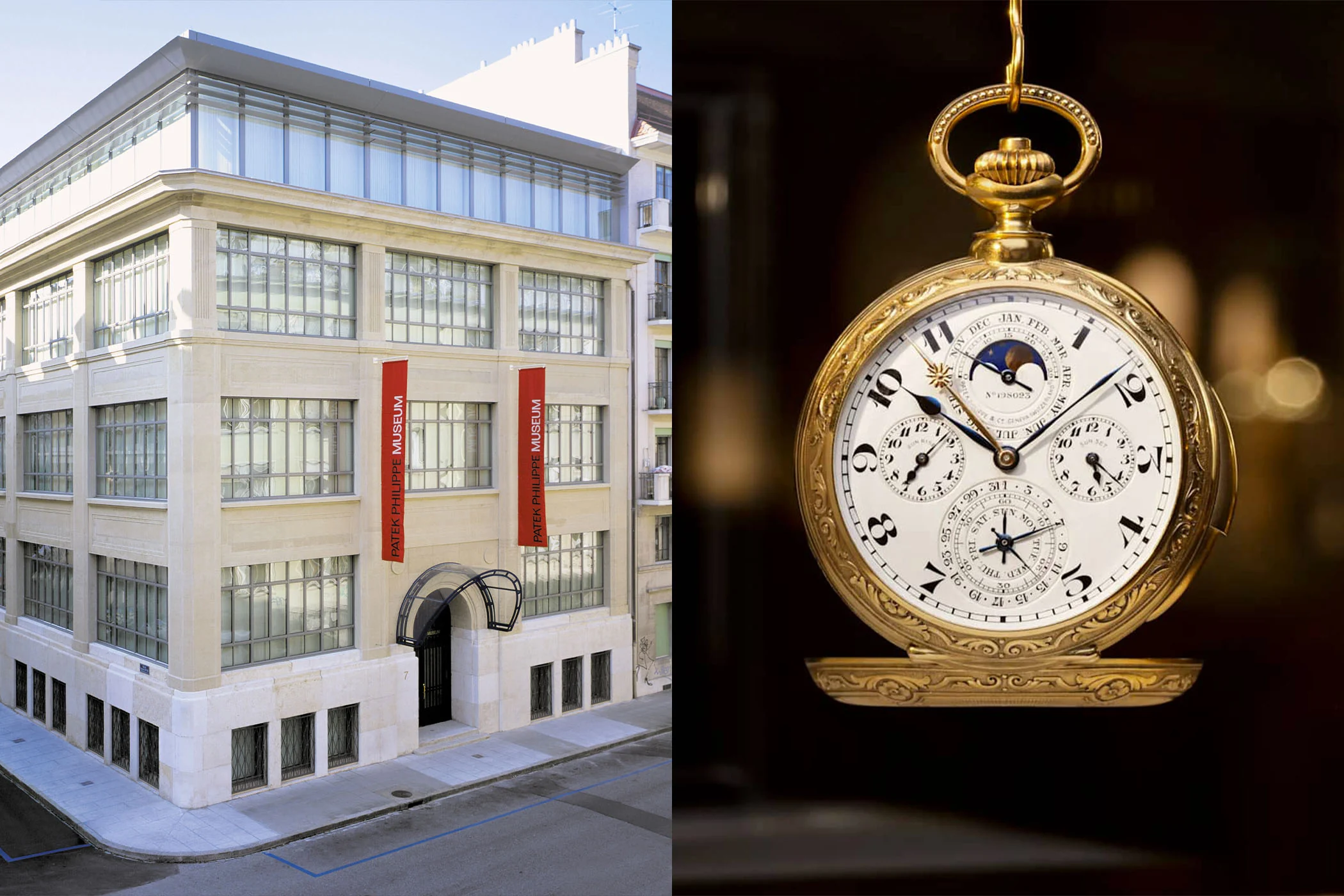
Patek Philippe Museum: A major Geneva institution hits 25 years, the Nautilus turns 50, and lost Morehead timepieces reappear, but the available information barely scratches the surface of what should be a landmark luxury story.
The Patek Philippe Museum in Geneva is marking its 25th anniversary, a milestone that ordinarily commands serious attention in the rarified world of haute horlogerie. Yet the moment arrives in a peculiar fog: the institutional details that would normally anchor such a story remain elusive, and the narrative fragments we’re left with suggest a celebration of genuine significance that hasn’t quite cohered in the public record.
What we know is this: the museum exists, the anniversary is real, and 2024 appears to be the year of convergence. The Nautilus, perhaps Patek Philippe’s most defining design, simultaneously marks fifty years since its 1974 debut. That’s the icon that transformed wristwatch culture, that established the steel sports watch as a luxury object, that created a waiting list that has become its own mythology. Any institution dedicated to Patek Philippe’s legacy would naturally organize exhibition programming around such symmetry.
The reappearance of the Morehead collection adds another layer of intrigue to what should be the season’s most substantive horological story. These pocket watches represent discovery in the traditional sense: objects with provenance, with history, with the kind of narrative weight that museums trade in. Their resurfacing alongside a quarter-century institutional retrospective suggests a curatorial logic, a thematic connection between past and present, between the pocket watch era and the wristwatch world that Patek Philippe has dominated.
Yet here’s where the story fractures. The specifics that would make this real for readers, the exhibition dates, the number of pieces on display, the curatorial argument being made, what makes the Morehead watches historically significant, how the museum chose to contextualize the Nautilus’s golden anniversary within its broader holdings, remain unavailable in any coherent form. We’re asked to celebrate an institution’s milestone with almost no detail about what that institution is actually showing, or why we should care beyond the brand names and round numbers involved.
This is symptomatic of a larger problem in luxury watch coverage: the tendency to treat institutional events and product anniversaries as self-evidently important simply because the brands involved command prestige and retail prices. The assumption seems to be that Patek Philippe plus twenty-five years plus the Nautilus at fifty automatically equals a story worth amplifying. But narrative weight requires specificity. It requires knowing what’s being shown, what argument is being made, what this museum, a private institution owned by one of Switzerland’s most important watchmakers, has decided to tell us about its own history and its interpretation of its own objects.
What remains true is that the convergence is real: a quarter-century for the Patek Philippe Museum, half a century for one of modern horology’s most influential designs, and the unexpected return of historical pieces that add dimension to a collecting tradition. That’s the architecture of a significant story. What’s missing is the scaffolding that would make it visible.
Sources: thejewelleryeditor.com