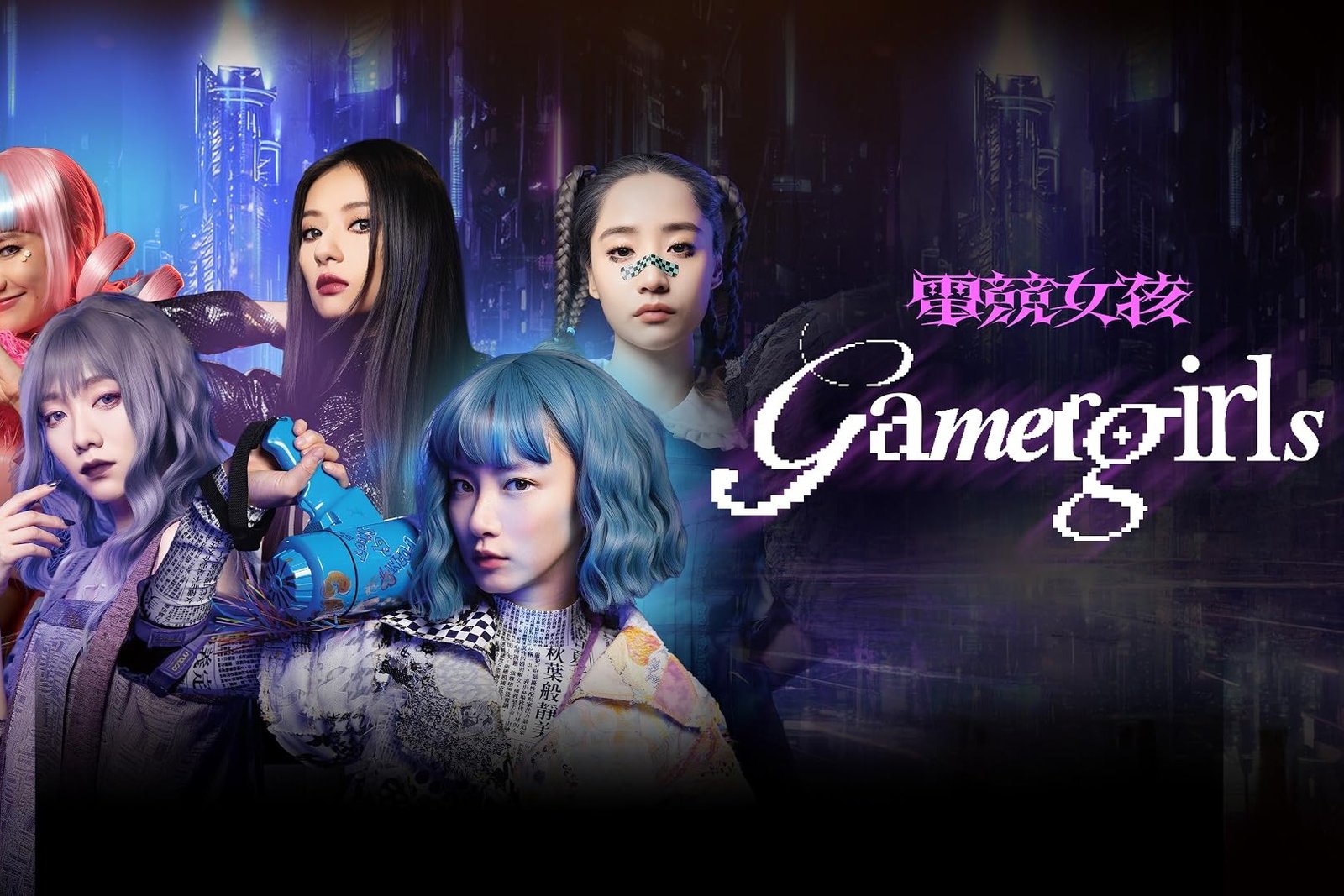
Gamer Girls: The disbanded all-female esports team returns to launch an indie tournament at a local teahouse, but faces mounting pressure from outside forces.
Gamer Girls, the reunited all-female esports organization formerly known as Dollhouse that once competed at the highest levels of competitive gaming, is making a comeback. The disbanded squad is reuniting under this new independent banner to host a streaming competition at a local teahouse, marking a significant moment for a team that had faded from the professional scene.
The reunion itself reads like a comeback narrative tailored for the streaming age. Rather than attempting to rejoin the traditional esports circuit, the former Dollhouse players are taking control of their own narrative by launching their own tournament. The move reflects a broader shift in how esports communities are organizing outside the gatekeeping structures of major franchises and corporate sponsors. By hosting the event at a grassroots venue like a teahouse, Gamer Girls is positioning itself as a cultural moment as much as a competitive one, blending the worlds of gaming, streaming, and community gathering.
Gamer Girls Takes the Independent Path
Going independent comes with its own set of challenges. According to Film Movement, which is streaming content related to the reunion event on November 13, the Gamer Girls face significant obstacles in executing their vision. Specifically, authoritarian forces are threatening their virtual lives, suggesting regulatory or competitive pressures working against their tournament. The nature of these threats remains part of the story itself, turning what might have been a straightforward gaming reunion into something more complex and culturally resonant.
The November 13 streaming premiere marks the moment when this narrative reaches audiences, transforming the team’s reunion into a watchable event beyond just the esports community. By positioning this as a streaming premiere rather than a traditional esports broadcast, the presentation acknowledges that the story of Gamer Girls has cultural weight beyond competitive stats and tournament brackets.
What Reunion Means for All-Female Gaming
The timing of Dollhouse’s return as Gamer Girls carries particular weight in esports culture. All-female teams remain rare at competitive levels, and their dissolution is typically followed by quiet fades rather than organized comebacks. The decision to reunite specifically as an independent entity suggests a deliberate statement about agency and autonomy within esports. Rather than seeking validation through traditional esports infrastructure, these players are building their own platform and their own rules.
The teahouse venue is especially noteworthy. It signals a rejection of the typical esports aesthetic of gaming cafes and official tournament venues. A teahouse represents community space, comfort, and accessibility, suggesting that Gamer Girls is intentionally cultivating a different kind of competitive environment. This kind of cultural repositioning is what makes the story resonate beyond dedicated gaming audiences.
The external pressures mentioned in the Film Movement description add narrative tension to what could have been a straightforward feel-good reunion story. Whether these forces are regulatory bodies, rival organizations, or platform restrictions, the fact that obstacles exist transforms the streaming premiere into something with genuine stakes. It’s no longer just about whether these players can compete at a high level again, but whether they can maintain their independence and vision against outside interference.
The November 13 premiere gives audiences a chance to witness this moment of reunion and resistance simultaneously. For esports fans, gaming culture watchers, and anyone interested in how communities build and maintain power outside traditional institutional structures, the Gamer Girls story represents a convergence of competitive play, digital culture, and grassroots organization. What starts as a disbanded team’s attempt to reclaim glory becomes a broader statement about autonomy and community in gaming.