Dubai Design Week: Downtown Design and regional exhibitions positioned Middle Eastern, North African, and South Asian designers as global forces during November’s festival.
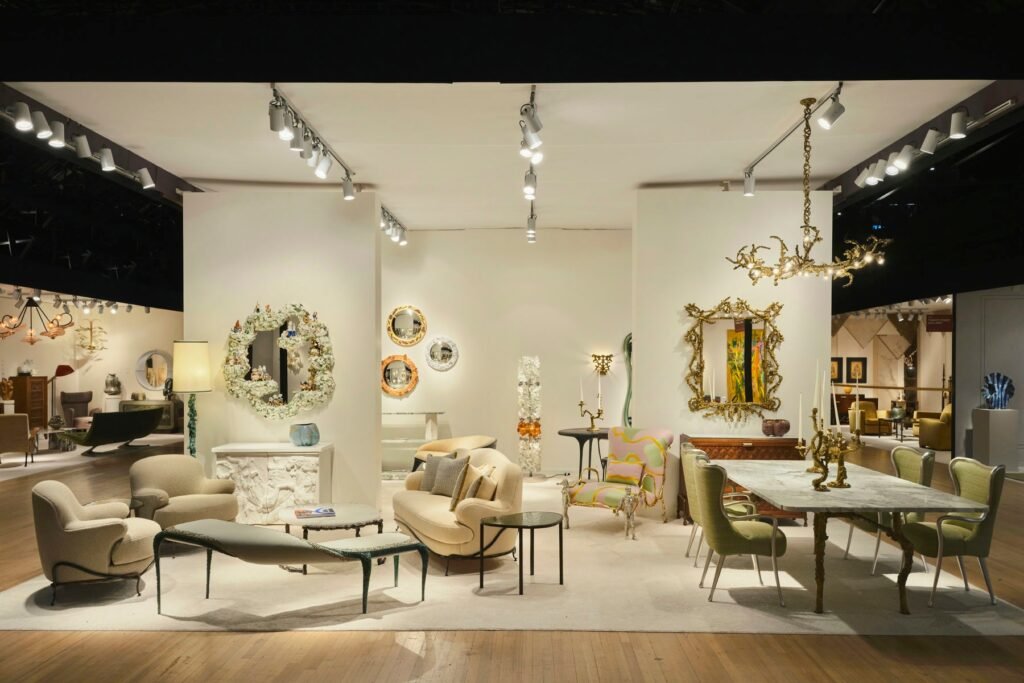
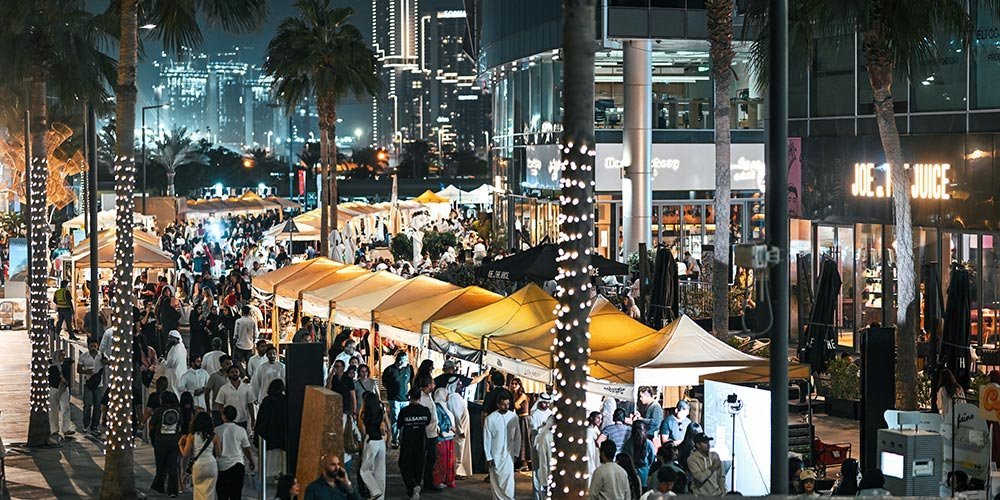
Dubai Design Week returned for its 12th edition in 2026 with a programming strategy that elevated voices far beyond the Emirates. Running through November, the festival’s centerpiece remained Downtown Design, the five-day fair anchored in the city’s design district from November 4 to 8. But the real signal came not just in what was shown, but in who was showing it. Trika Arabia, Bottega Living, Biscuit, Alain Ellouz Paris, and 1971, Design Space occupied the main fair floor alongside installations and exhibitions that deliberately amplified design from the broader MENASA region: the Middle East, North Africa, and South Asia.
This regional positioning wasn’t accidental. The same November saw the Design Doha Biennial debut its second edition, an explicit celebration of architecture, design, and craft from MENASA as a unified creative ecosystem. That biennial featured exhibitions, talks, installations, and awards throughout its run, but the most revealing metric was scale: the Arab Design Now exhibition, staged as part of the Doha program, brought together work from 81 participants. That’s not a gallery show. That’s a movement being documented.
Dubai Design Week and the Architecture of Visibility
What separated Dubai Design Week’s 2026 edition from industry boilerplate was the specificity of its satellite programming. The Urban Commissions installation, a competition winner executed by Dubai-based NAO Architects, occupied real estate within the main event. The In Other Words group exhibition functioned as a parallel narrative running alongside brand installations. Neither of these elements required international talent or imported aesthetic frameworks; both emerged from regional creative practice already resident in the Gulf and beyond.
The timing mattered as well. November positioned Dubai Design Week within a cluster of regional design gatherings that collectively shifted geography. Cairo Design Week, running simultaneously, was itself structured across three districts, Heliopolis, Zamalek, and Downtown, and framed Egyptian creativity as both contemporary practice and historical continuity. Irish Design Week, entering its fifth edition that same month, demonstrated how design weeks had become a global infrastructure, yet the MENASA cluster suggested something more intentional: a constellation of events working in concert to establish creative authority outside traditional Western design capitals.
Scale and Participation as Strategy
Numbers reveal intent. The Arab Design Now exhibition’s inclusion of 81 participating projects suggested curation at a scale typically reserved for biennales in Venice or São Paulo. That wasn’t boutique representation; it was the documentation of an established creative economy. When paired with Downtown Design’s headline brands and the Design Doha Biennial’s parallel programming of exhibitions, talks, and awards, the message became structural: MENASA design wasn’t emerging. It was already here, already mature, already worth sustained institutional investment.
The comparison to other November events underscores this repositioning. Collectible New York, running at 210 East 86th Street with its four-category structure (Main, Fashion, Bespoke, New Garde), represented the established formula for global design fair presence. BDNY returned to the Javits Center with over 700 brands and a thematic framework centered on materials and details. These were not smaller events; they were the infrastructure Western collectors and designers had relied on for years. Yet by November 2026, they existed in the same calendar month as a deliberate, multi-venue, region-wide assertion of MENASA creative authority.
What Gets Left Unsaid
The detail most observers will miss is what didn’t require explanation: none of these events positioned MENASA creativity as rising or emerging or finally getting its moment. The Design Doha Biennial’s second edition format implied continuity, not debut. Arab Design Now’s 81 participants weren’t first-timers receiving platform; they were established practitioners being recognized at scale. NAO Architects’ competition-winning installation at Downtown Design wasn’t positioned as a breakthrough for Gulf design; it was treated as standard programming.
That rhetorical shift, away from discovery narratives and into inclusion as baseline, represents the actual story. When design weeks and biennial programming treat regional creativity as already present and institutionally significant, the conversation stops being about representation and starts being about infrastructure. November 2026 marked the moment when MENASA design occupied the same calendar space, the same institutional weight, and the same commercial machinery as established Western design capitals. Not as an exception. As routine.
Sources: dezeen.com