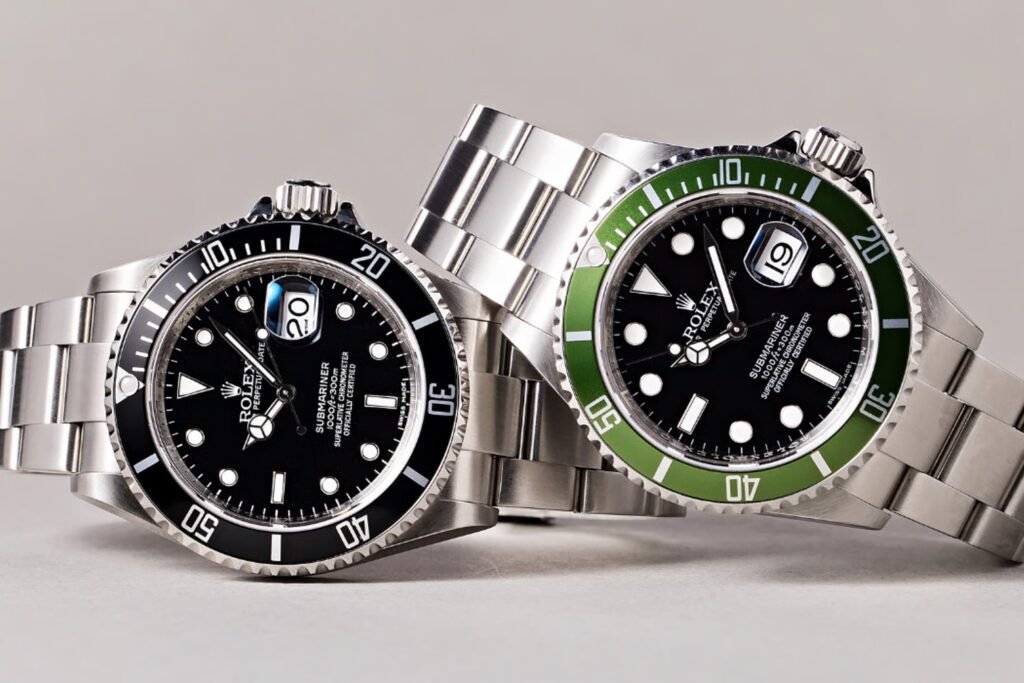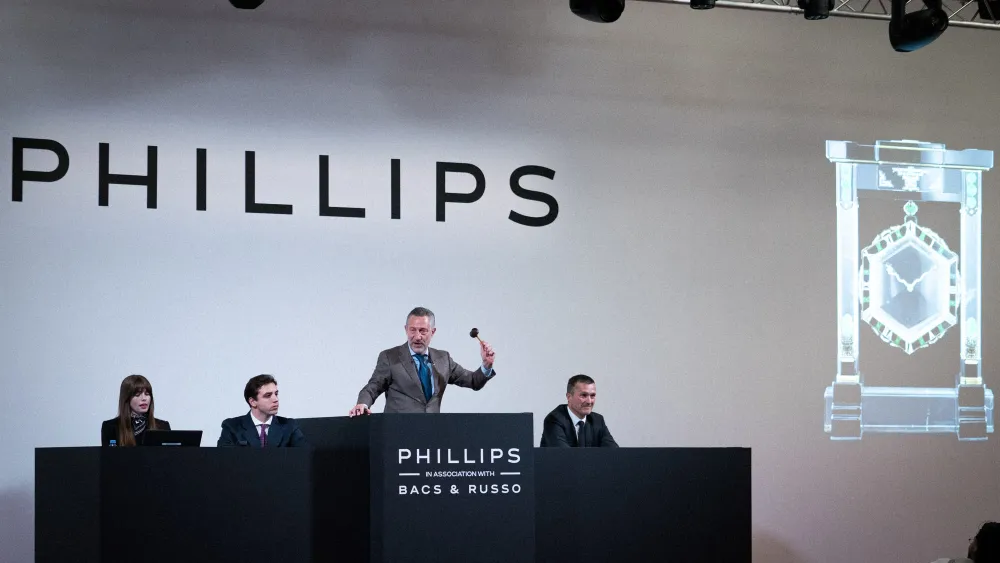
Watch Auction: A single sale weekend pushed the watch market past the nine-figure mark, signaling peak collector demand for grail timepieces.
A major watch auction just made history. Phillips in Association With Bacs & Russo crossed the $100 million threshold for the first time during a single weekend sale, a milestone that underscores just how ravenous the collector market has become for elite horology.
The scale of this moment cannot be overstated. For decades, watch auctions operated in an entirely different financial universe from fine art, jewelry, and contemporary design. A seven-figure hammer price was exceptional. Eight figures was the ceiling for all but a handful of ultra-rare pieces. Breaking into nine figures at a single sale represents a tectonic shift in how the market values mechanical watches, particularly those from the heritage houses that command near-religious devotion among serious collectors.
The timing aligns with what has become a consistent narrative across the luxury auction landscape. Sotheby’s, Christie’s, and Phillips are all promising what they’re calling a blockbuster auction season in New York this December, with heavy emphasis on inventory from Patek Philippe, Rolex, and independent watchmakers gaining serious traction in collector circles. The convergence of these three major houses preparing marquee sales simultaneously suggests the market isn’t cooling. If anything, the appetite is intensifying.
How the Watch Auction Market Shifted at the Block
The specific mechanics of how Phillips reached the nine-figure milestone matter less than what it reveals about collector psychology right now. These aren’t speculative purchases or casual acquisitions. The buyers at this level are chasing pieces with provenance, rarity, and historical significance. They’re looking for watches with documented narratives, the kind of timepieces that have already passed through notable collections or carried documented histories that separate them from even other examples of the same reference number.
Previously unknown pieces are suddenly commanding serious attention. A Patek Philippe Dual Time reference 3452/1 that had remained unknown to the broader collecting community is one of only seven timepieces bearing that reference, created by master watchmaker Louis Cottier. The emergence of hidden grails like this one signals that the market still has room for discovery, which energizes buyer confidence. It suggests that even in an era of extensive documentation and digital catalogs, significant pieces can still surface and reshape understanding of what exists.
The Independent Watchmaker Factor
What’s quietly reshaping the entire conversation is the ascent of independent and niche makers. The traditional triumvirate of Patek Philippe, Rolex, and Omega no longer monopolizes top-lot positioning at major auctions. A collaboration between Swiss watchmaker Zenith and American guilloché expert J.N. Shapiro is already being positioned as a potential sell-out before it even hits the market, suggesting that technical excellence and creative partnership can now command the same reverence previously reserved for established manufacture juggernauts.
This represents a fundamental reshaping of what collectors value. It’s no longer purely about the brand name or the decades of heritage, though those still matter enormously. The market is increasingly rewarding innovation, technical mastery, and limited production numbers. A collaboration between a storied manufacture and an independent artisan can now occupy the same cultural and financial space as a rare vintage Patek Philippe.
The $100 million barrier breaking at Phillips also signals that watch collecting has entered a new demographic phase. These are not purely estate sales or inherited pieces passing through the market. These are acquisitions made by collectors with the capital and knowledge to bid at the highest levels, suggesting wealth concentration in watch collecting has deepened considerably over the past few years. The buyers are more informed, more specialized, and willing to allocate increasingly serious capital to watches that represent both technical achievement and historical significance.
For the broader luxury market, the message is clear: watches have officially crossed over into fine art territory. The $100 million threshold wasn’t just a numerical milestone. It was an acknowledgment that the best watches in the world now occupy the same financial and cultural ecosystem as masterwork paintings, sculpture, and design. That transformation changes everything about how the industry sees itself and how collectors approach acquisition strategy going forward.
Sources: forbes.com