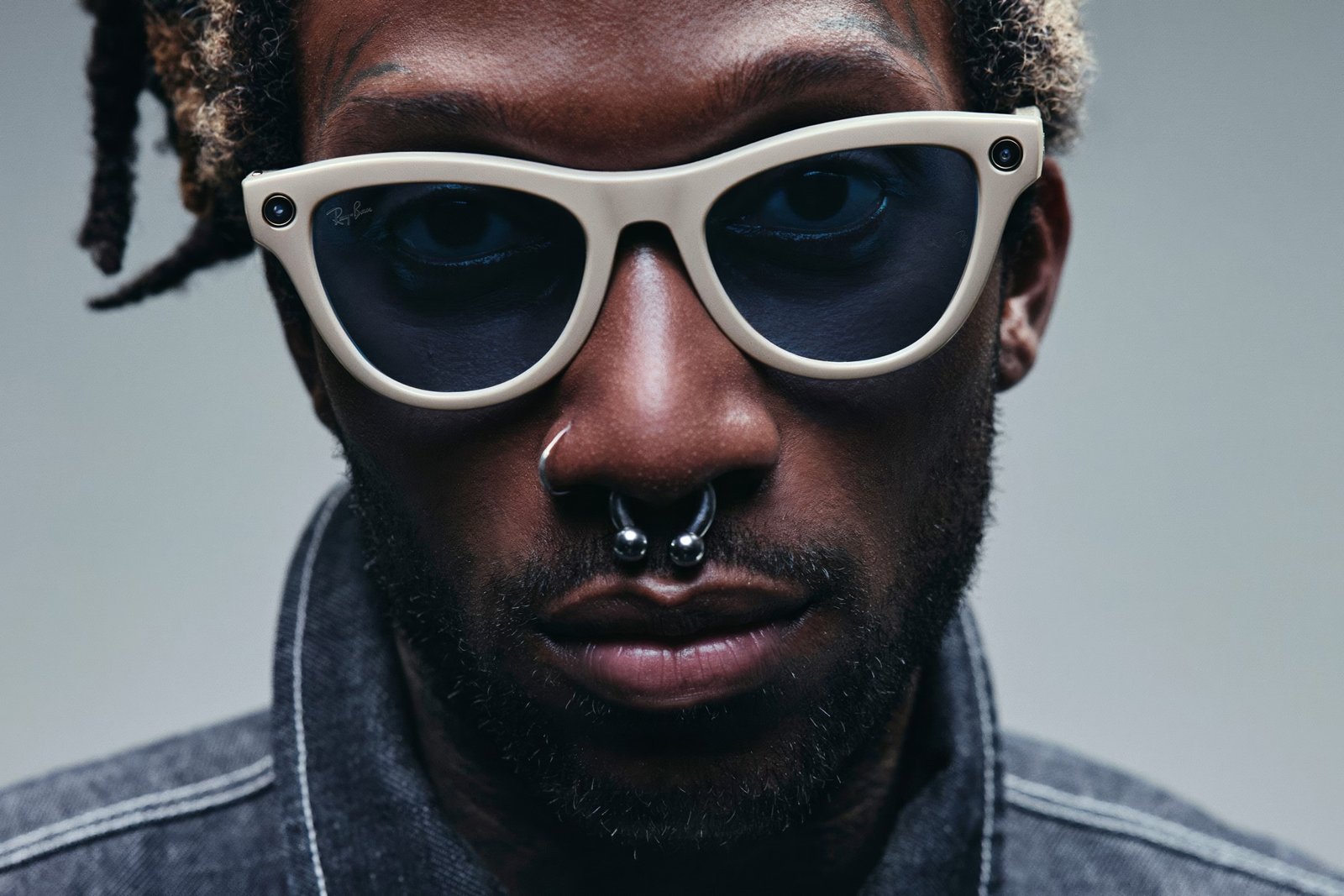
Wearable Tech Fashion: After years of health trackers and fitness devices dominating the space, lifestyle and fashion labels are repositioning smart wearables as style statements rather than wellness tools.
The wearable tech market has spent the last decade dominated by a single narrative: track your steps, monitor your heart rate, optimize your sleep. Fitbit. Apple Watch. Garmin. The devices themselves became invisible, relegated to the wrist as utilitarian appendages to your phone. But something has shifted in how brands are thinking about what you wear, and it has nothing to do with calorie counts or VO2 max readings.
Consumer brands and fashion houses are making a deliberate move back into wearable technology, but with a fundamentally different philosophy. Rather than positioning smart devices as health or fitness instruments, they’re reframing them as lifestyle accessories first. The distinction matters. A fitness tracker is something you wear because you need to. A wearable as a fashion statement is something you wear because you want to, which changes everything about the design, the marketing, and the cultural conversation surrounding it.
This represents a genuine recalibration in how the industry understands wearables. The early boom in health-tracking devices created an assumption that wearables existed primarily to quantify bodily data. Rings that monitor sleep, bracelets that count steps, watches that alert you to irregular heartbeats. But the brands now re-entering the space aren’t particularly interested in that narrative framework. They’re asking different questions: what does a wearable look like when aesthetics come first? What happens when the technology serves the design rather than the other way around?
The shift signals something broader about consumer priorities. After a sustained period of optimizing, tracking, and quantifying nearly every aspect of daily life, there’s clearly an appetite for wearable technology that doesn’t require constant self-surveillance. A wearable can be smart without being instrumental. It can communicate without nagging. It can connect you to networks and information without demanding that you become data.
Fashion and lifestyle brands understand something that pure tech companies sometimes miss: people have always worn things to signal identity, taste, and belonging. Watches, rings, bracelets, and chains carry social meaning. They’re not just functional objects. When lifestyle brands enter the wearables space, they’re not trying to invent a new category. They’re reclaiming an old one and giving it a 21st-century nervous system.
The move also reflects fatigue with the health optimization culture that defined the 2010s. The endless self-improvement narrative, the quantified self movement, the assumption that everything can be measured and optimized. Some consumers still want that. But many are looking for something different: technology that enhances their lives without requiring them to become projects. Wearables positioned as style objects rather than health tools offer an off-ramp from that exhausting framework.
What’s particularly interesting about this moment is that the barrier to entry has lowered significantly. Computing power is smaller and cheaper. Battery technology has improved. Connectivity can be handled through partnerships and APIs rather than proprietary platforms. A fashion brand can now credibly launch a smart wearable without necessarily being Apple or Samsung. That opens the door to design perspectives and brand identities that the traditional hardware companies have never really explored.
The consumer reception will likely depend on execution. A wearable that looks beautiful but constantly crashes will fail. One that functions flawlessly but feels generic will struggle to differentiate. The successful brands will be those that understand both sides of the equation: genuine technical competence paired with genuine design vision. Not tech companies trying to learn fashion. Not fashion companies trying to fake engineering. But actual collaborations where both disciplines hold equal weight.
The wearables market of the next few years will look radically different from the health-optimization era that defined the 2010s, as wearable tech fashion emerges as the dominant design philosophy. Success will depend on brands that understand both sides of the equation: genuine technical competence paired with genuine design vision. Not tech companies trying to learn fashion. Not fashion companies trying to fake engineering. But actual collaborations where both disciplines hold equal weight, and where wearable tech fashion becomes not an afterthought, but the entire point.