Exclusive-Access Luxury Travel: A new report shows exclusive-access experiences, from private island retreats to after-hours museum tours, are reshaping how the ultra-wealthy travel.
Leonardo DiCaprio’s character in Christopher Nolan’s Inception faces a problem: how to pull off a heist on a commercial flight without raising flags. That fictional flex of buying an entire airline has become a blueprint for exclusive-access luxury travel in the real world. According to a National Geographic report published today, exclusive-access experiences, where money buys out entire properties, yachts, or cultural institutions to eliminate shared space entirely, represent one of the fastest-growing segments in luxury hospitality.
That fictional flex has become a cultural blueprint for how the ultra-wealthy now travel in the real world. According to a National Geographic report published today, exclusive-access experiences, where money buys out entire properties, yachts, or cultural institutions to eliminate shared space entirely, represent one of the fastest-growing segments in luxury hospitality. The demand isn’t slowing.
The Rise of Exclusive-Access Luxury Travel: From Islands to Superyachts
Emily Rutter, head of product at ITC, a collection of brands specializing in luxury travel, told National Geographic that these experiences routinely cost six figures before transportation is factored in. The price point doesn’t deter the market. Instead, demand is surging across multiple luxury verticals, from private island rentals to superyacht charters to multi-property safari conservancy buyouts.
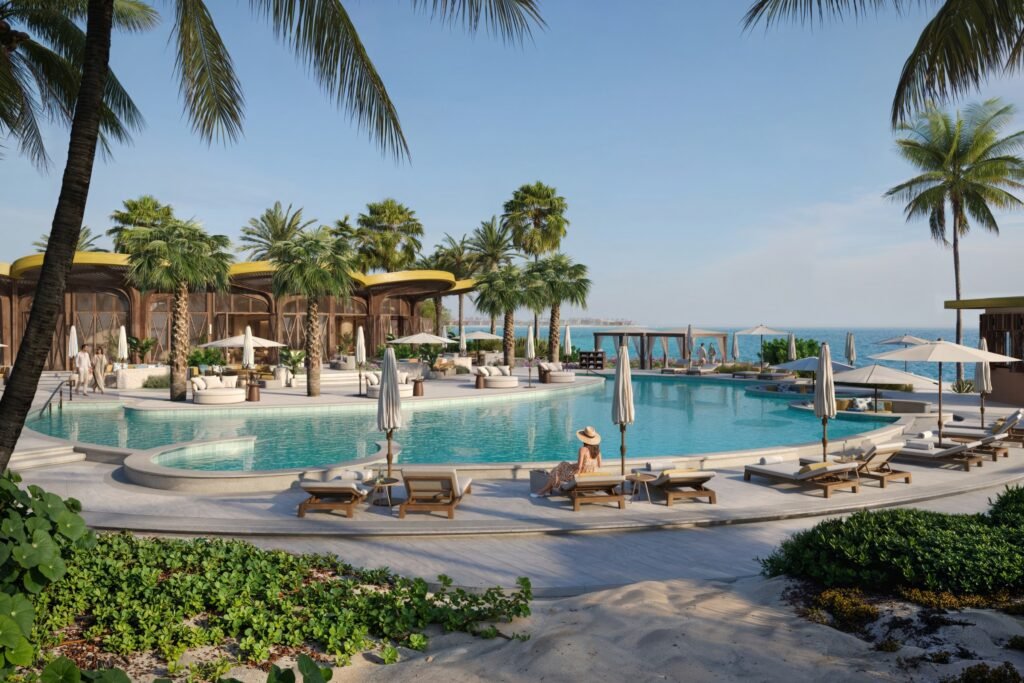
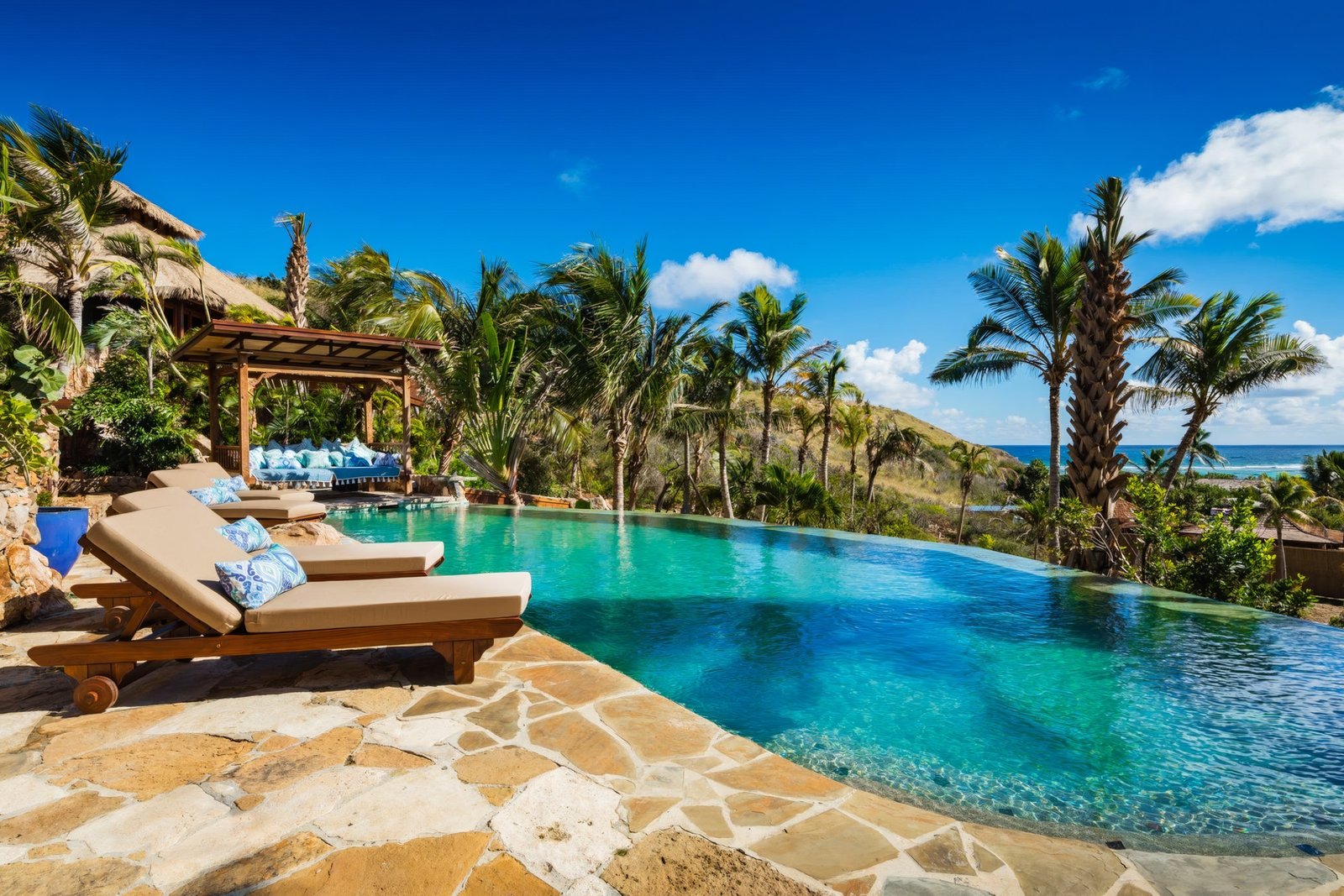
Ithaafushi, an exclusive-use island accessible through ITC’s client, the Waldorf Astoria Maldives, exemplifies the category. The property accommodates no more than 24 guests across beach and overwater villas, staffed by dedicated private chefs, masseuses, and butlers. According to the National Geographic report, interest in the property is at unprecedented levels.
The Maltese Falcon, a private superyacht charter operated by Dubai-based Jumeirah, pushes the model further into theatrical luxury. The 88-meter clipper features distinctive freestanding carbon-fiber masts, an outdoor cinema, a rotating circular sunlounger designed to track the sun, and comprehensive watersports access. A single booking accommodates just twelve guests, eliminating any possibility of buffet-line congestion or shared elevator rides with strangers.
Safari Camps and Conservancies Embrace Total Buyouts
The safari market has absorbed this exclusivity logic with particular intensity. Whole-property acquisitions of camps and villas now represent some of the clearest expressions of exclusive-access travel anywhere in the industry. Kenya’s Borana Conservancy in Laikipia offers sole-use houses including the five-bedroom Arijiju and the solar-powered Lengishu, each equipped with private chefs, guides, and dedicated vehicles. Guests gain exclusive access to the conservancy’s rhino conservation efforts as part of the arrangement.
In the Maasai Mara, Cottar’s Bush Villa operates under a similar model, allowing complete property takeover. The benefit extends beyond privacy: guests gain access to nighttime driving and walking routes that the national reserve ordinarily keeps restricted from public use. This tiered access, where paying for exclusive-use properties unlocks experiences that aren’t available to standard visitors, has become a defining feature of the category.
Multi-Generational Groups and the New Booking Model
The rise of exclusive-access properties coincides with a shift in how high-net-worth individuals structure travel. Multi-generational groups and multiple families pooling resources for single bookings have become the dominant travel pattern among the ultra-wealthy. The exclusive-use model accommodates this preference while maintaining the core appeal: complete separation from the general travel public.
The experiences available go far beyond accommodations. According to National Geographic, the category now encompasses invitation-only dining events, after-hours access to world-renowned museums and galleries, and private access to wildlife conservancies. The throughline connecting all of these offerings is ruthless curation. The elimination of shared space, shared experiences, and shared company with anyone outside the booking group creates what the report describes as “an illusion, if only temporarily, of ownership.”
For the individuals driving this trend, that illusion appears to be worth any price. Demand shows no signs of cooling.