Richemont Stock: The Swiss luxury giant crushed profit expectations but investors panicked when jewelry growth slowed, sending shares down 9% in a single day.
Richemont stock tumbled as much as 9 percent on Friday, November 13, despite posting a second-quarter jewelry sales jump of 14 percent to €4.41 billion, a commanding result by most measures. The culprit wasn’t weakness, but a miss. Analysts had been betting on 16 percent growth, and the four-point gap was enough to rattle the market into a sharp sell-off, even as the company beat nearly every other target.
The contradiction reveals the hair-trigger sensitivity of luxury investors right now. Richemont’s overall first-half net profit hit €2.53 billion, well ahead of the consensus forecast of €2.26 billion. Total sales for the three-month period ending September 30 climbed 13 percent to €5.95 billion, surpassing the analyst consensus of €5.89 billion according to Visible Alpha. Performance in the US, Japan, and Europe showed particular strength, with sales increases of 15 percent or higher across those markets. The watchmaking division, anchored by brands including Piaget and IWC, posted 12 percent growth to €833 million. By almost any other standard, this was a dominant quarter.
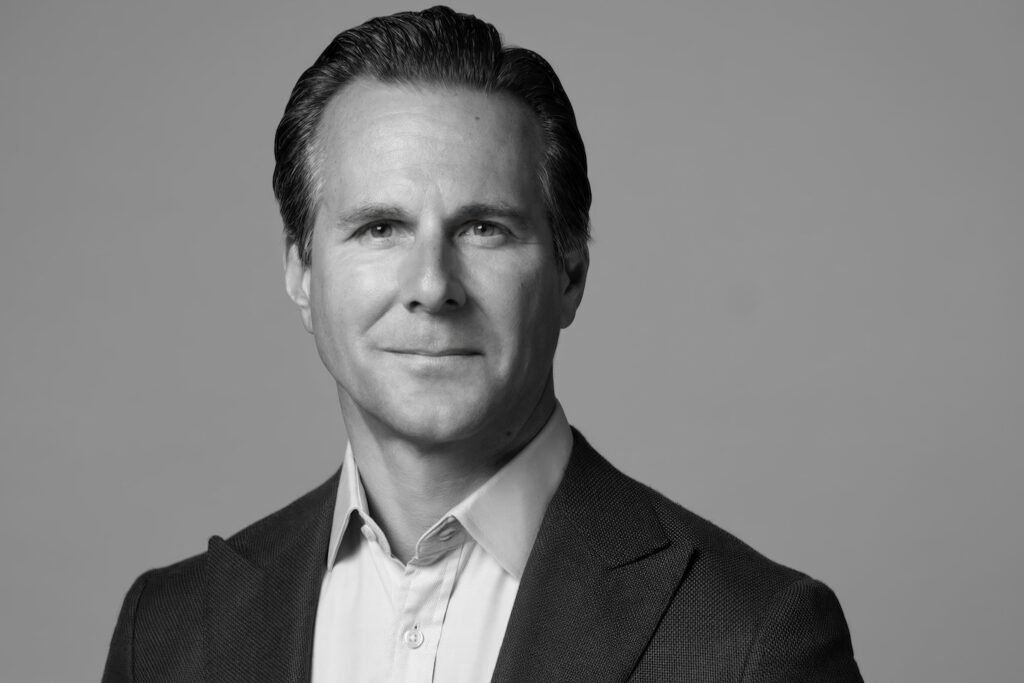
But the jewelry slowdown triggered a recalibration. Richemont’s jewelry portfolio, which includes Cartier, Buccellati, Van Cleef & Arpels, and Vhernier, has been the engine of growth as the broader luxury sector stalled. That 14 percent result, while solid, suggested momentum may finally be catching up with reality. CEO Nicolas Bos attempted to calm the narrative, telling analysts that underlying long-term jewelry trends remained positive and that growth was being driven by rising volumes rather than price hikes alone. “We have pricing strength; we just don’t want to be greedy,” added Chairman Johann Rupert, signaling the company wasn’t counting on continued aggressive markups to fuel future results.
The quarter’s geography told a story of uneven recovery. Hong Kong and Macao posted positive momentum, while mainland China remained soft, though stable. Rupert offered no timeline for a Chinese rebound but expressed confidence it was coming. “China will come back; when, we don’t know, but it will come back,” he said. The company has fundamentally restructured its business since COVID-19, cutting tourism-driven sales to approximately 15 percent of total revenue from a much higher share. That shift means most sales in Europe, Asia, and America now come from domestic buyers rather than international travelers. Bos described this as a “much more solid and healthy” foundation for long-term growth than the old model of chasing tourist spend.
Beyond the quarter, Rupert dodged questions about potential acquisitions, particularly regarding a rumored stake in diamond miner De Beers, which is controlled by Anglo American. “In terms of possible acquisitions, we haven’t made our mind up about anything,” he said. He added that any diamond investment would be immaterial to Richemont’s balance sheet or profit profile, essentially signaling that jewelry-related deals were not transformative to the business plan. On succession, the 76-year-old chairman remained characteristically opaque after the September appointment of his son Anton as co-deputy chairman. “I’m definitely not wedded to this,” Rupert said. “We’re having fun, I’m leaving a lot of decisions. The transition’s already taken place.”
The market’s reaction underscores the precarious position of luxury right now, and Richemont stock exemplifies the hair-trigger sensitivity of investors to even modest misses. A company beating profit expectations by billions of euros can still get hammered if one product category doesn’t match forecasts. For Richemont stock and the broader luxury sector, it means the next quarter becomes critical. The jewelry division needs to show the slowdown was a blip, not a trend, or the narrative of invulnerability will crack further.