Hugo Boss Ceo: Mike Ashley’s retail empire formally plants its flag inside the German fashion house with a leadership swap that signals deeper operational control.
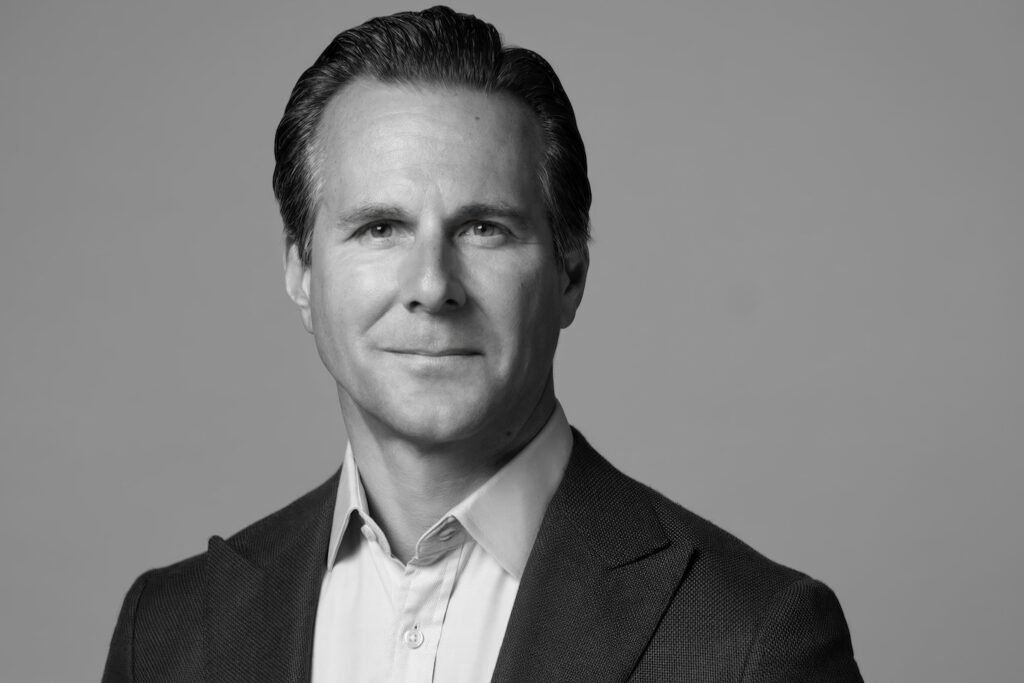
Daniel Grieder is leaving Hugo Boss at the end of December 2026, stepping down after more than five years leading the German luxury brand. His successor as Hugo Boss CEO, announced this week, is David Epstein, a Frasers Group veteran who has spent over a decade climbing the British retailer’s ranks. The move crystallizes what has been a swift and contested takeover: Frasers Group now owns 50.08% of Hugo Boss, a stake it locked in late October after purchasing 198,666 additional shares for €7.63 million ($8.44 million).
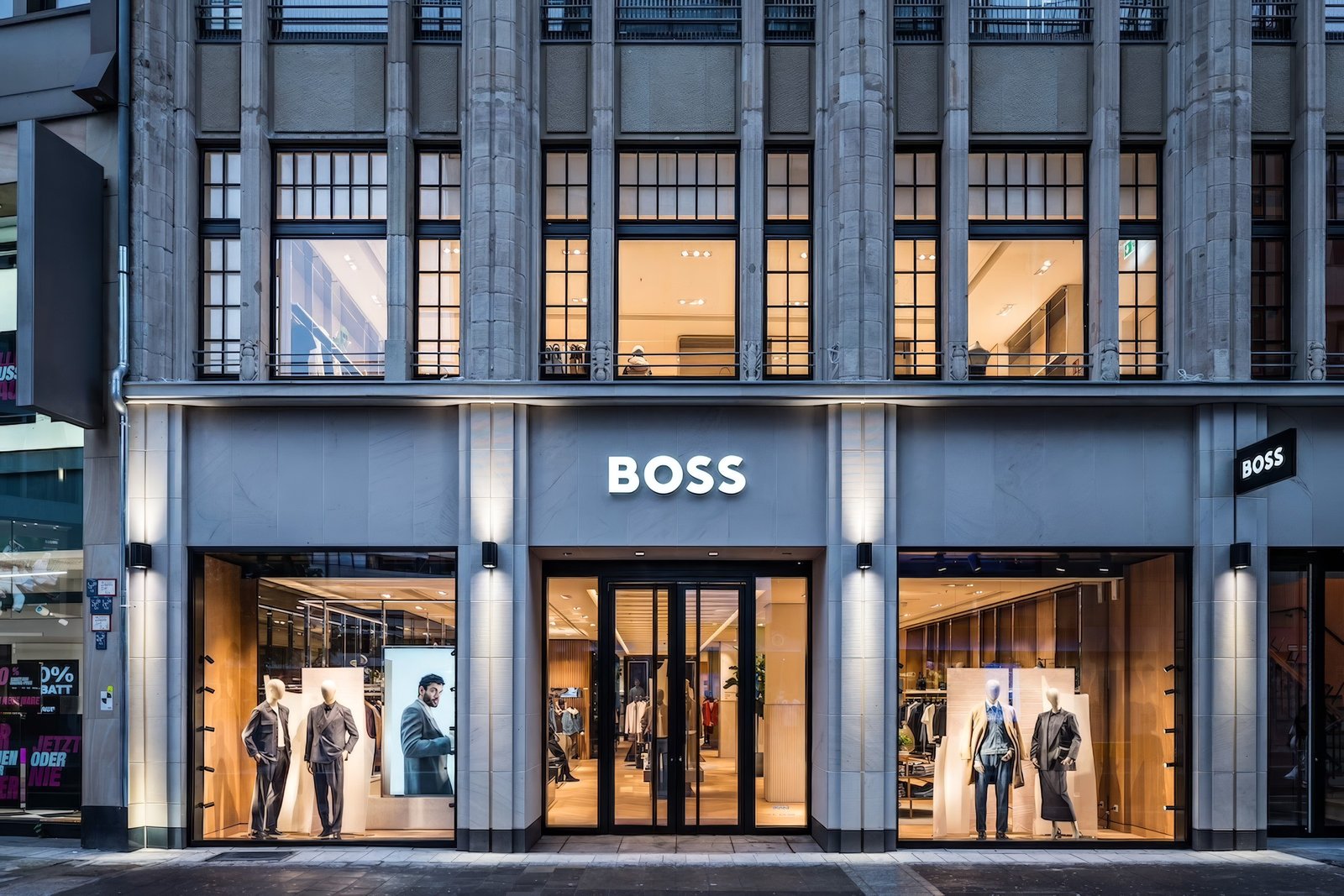
Grieder’s departure comes “at his own request,” according to Hugo Boss, after he steered the business through a substantial overhaul. Since taking the helm in 2021, he orchestrated the CLAIM 5 strategy, rebuilt the visual identities of both the Boss and Hugo lines, and constructed an omnichannel platform designed to reach younger consumers. He also oversaw a redesign of the brand’s retail footprint worldwide. In a statement, Grieder reflected on what he called a foundation strong enough to hand to new leadership. “Together, we have brought BOSS and HUGO back on stage, built a 24/7 lifestyle product offering, redesigned our stores worldwide, and renewed our culture and the way we work,” he said, adding that “now is the right time for me to step down and hand over to the next generation of leadership.”
Hugo Boss CEO Epstein Steps Into a Brand Under Pressure
Epstein assumes the CEO role on January 1, 2027, inheriting a company navigating turbulent conditions. Hugo Boss recently cut its 2026 outlook, now projecting currency-adjusted sales to decline in the high single-digit percentage range. EBIT is expected to land between €250 million and €300 million, reflecting macroeconomic headwinds and ongoing transformation efforts. The brand cited these factors as weighing on third-quarter performance.
His track record within Frasers suggests he understands both the operational and brand-building challenges ahead. Since 2024, Epstein has served as chief brand partnerships officer, managing relationships across Frasers’ Sport, Premium, and Luxury divisions. Before that role, he spent five years as managing director of the Premium and Luxury divisions, where he contributed to the group’s Elevation Strategy and expanded commercial ties across multiple brands. That tenure gives him exposure to the playbook Frasers has used to acquire, integrate, and grow heritage fashion properties.
The Frasers Takeover in Context
Frasers’ path to control Hugo Boss was contested but methodical. In June, Mike Ashley’s group tabled an offer of 38 euros per share, which Hugo Boss’s management and supervisory boards rejected. The bid nonetheless lifted Frasers’ stake to 47.89%. By September, Michael Murray, Frasers CEO, had assumed the chairman role at Hugo Boss. CFO Yves Müller departed the same month. The crossing of the 50% threshold in October was followed this week by the announcement that Deputy CEO Oliver Timm would exit.
Murray, now serving as both Frasers CEO and Hugo Boss chairman, endorsed Epstein’s appointment with language that underscores Frasers’ intentions. “David Epstein combines a deep understanding of global brands with extensive experience in premium and luxury retail,” Murray said. “He knows what it takes to build strong brands, elevate the consumer experience, and drive a business forward. I am convinced that he will bring valuable new perspectives to HUGO BOSS while building on the company’s strong foundation.”
Deputy chairman and employee representative Sinan Piskin highlighted Murray’s stated commitment to Hugo Boss’s headquarters in Metzingen, Germany, a reassurance to staff as leadership transitions to an outsider brought in by the new majority owner. Epstein’s arrival signals that Frasers intends not merely to hold the brand but to reshape its trajectory using the commercial infrastructure and brand relationships the British retailer has assembled across its premium and luxury portfolios.