Martine Rose Balenciaga: The British designer becomes the first woman to lead Balenciaga’s creative direction in over a century, stepping in just 16 months after Pierpaolo Piccioli’s arrival and departure.
Pierpaolo Piccioli lasted less than half a year. On November 5, 2026, Balenciaga announced the departure of the Italian designer who had only taken up his position on July 10, 2025. The swift exit signals how challenging the Balenciaga creative director role has become. Now, Martine Rose, the British designer, will take over as the first woman to lead creative direction at Balenciaga since 1917, stepping into one of luxury fashion’s most scrutinized positions.
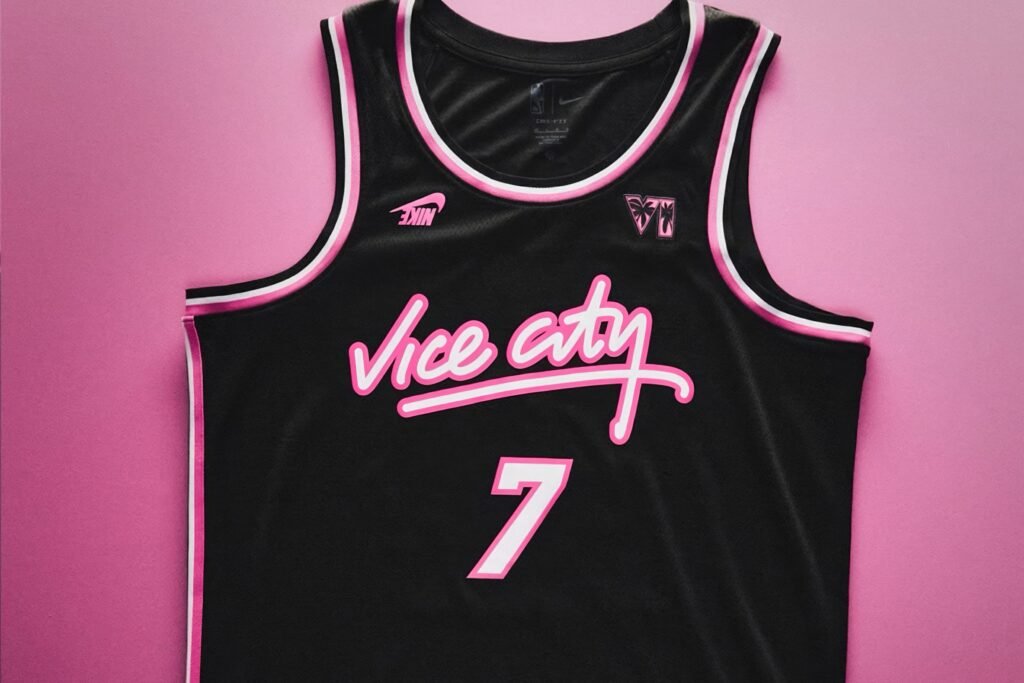
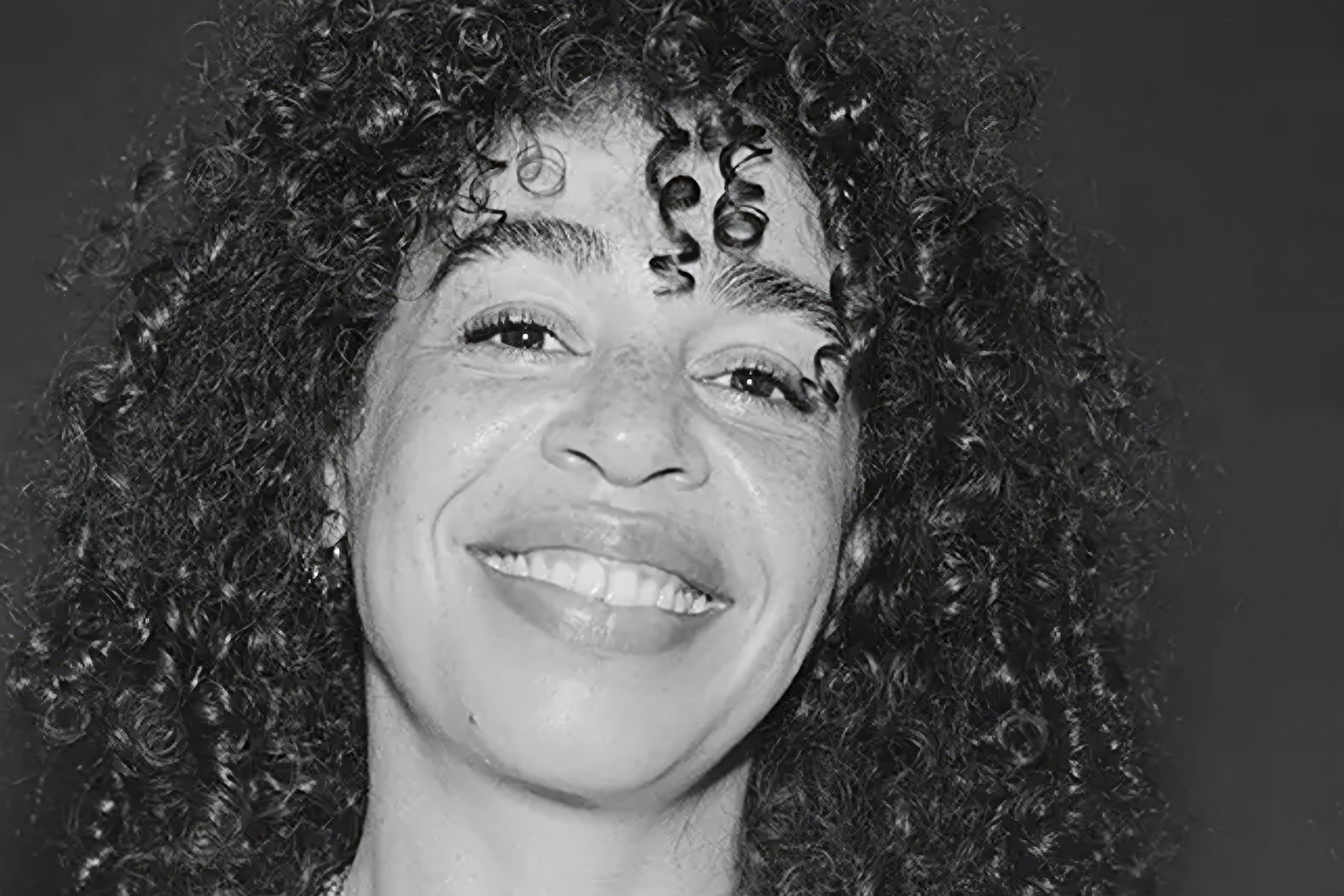
Martine Rose, the British designer tapped to replace Piccioli, officially assumes the role on November 16 in Paris. Her appointment marks a seismic shift in direction and represents a historic moment for the house: she becomes the first woman to lead creative direction at Balenciaga since its founding in 1917. But Rose arrives not as an outsider. She founded her own label in 2007 and built it on a foundation rooted in London subcultures, football, music, and rave culture. Her work is defined by oversized proportions, unconventional silhouettes, reworked menswear, and the deliberate subversion of everyday clothing codes. She has also collaborated extensively with Nike on projects that fuse sportswear with high fashion sensibility.
Martine Rose and Her Prior Relationship With Balenciaga
What Kering did not say publicly but what matters most: Rose is not unfamiliar with Balenciaga’s infrastructure or its challenges. Between 2015 and 2018, she worked as a consultant on Balenciaga’s menswear collections under Demna, meaning she spent three years embedded in the house’s workflow, its ateliers, and its design philosophy. She understands the production scale, the brand’s relationship to both high fashion and street culture, and the particular pressure of delivering collections under one of luxury’s most scrutinized banners. This prior relationship distinguishes her from a purely external hire and may well explain why Kering moved so decisively to announce her succession just a day after Piccioli’s exit.
The stylistic contrast between Rose and Piccioli could not be sharper. Where Piccioli pursued a refined, couture-forward vision aimed at restoring a specific version of Balenciaga’s archive, Rose brings a vocabulary built on sportswear, proportion distortion, and the aesthetics of youth culture. Her world is one of reworked silhouettes and deliberate unconventionality, not the preservation of couture codes. This is not a return to Demna’s provocative streetwear either; Rose’s sensibility is more grounded in subcultural specificity and menswear innovation than in shock value or irony. The question now becomes not whether Rose can succeed where Piccioli stumbled, but how her particular vision of proportion and subculture will coexist with the legacy Piccioli tried to reconstruct.
The Timing and the Stakes
Kering’s decision to announce Rose’s appointment within 24 hours of Piccioli’s departure suggests that the luxury conglomerate had already settled on this direction and was waiting for the exit to be formalized. There was no extended search, no speculation, no period of uncertainty about the brand’s future. This decisiveness might indicate that Kering had grown confident in Rose’s ability to chart a new course, or it might simply reflect the fact that the Paris fashion calendar waits for no one. Fashion Week cycles demand continuity and clarity, and Balenciaga cannot afford another season of creative drift.
Rose’s menswear expertise and her history of collaboration with the house also position her well to address one of the major challenges that has plagued Balenciaga in recent years: the need to credibly serve both womenswear and menswear audiences without one overwhelming the other. Her background in menswear, particularly in the reworking and recontextualizing of masculine silhouettes, could allow her to develop a coherent vision across both sides of the collection without privileging one at the expense of the other.
Rose’s menswear expertise and her history of collaboration with the house position her well to address one of Balenciaga’s major challenges. The appointment of Martine Rose signals Kering’s decisive pivot toward subculture sensibility and youth-culture aesthetics, betting that her streetwear innovation and proportional expertise can stabilize the house after months of creative turbulence.