Pizza Omakase: An intimate Italian-Japanese concept premieres at one of Asia’s most prestigious hotels, offering 72-hour fermented dough and a tasting menu guided by chefs.
On November 2nd, Mandarin Oriental Hong Kong’s ground floor transforms into something between a sushi bar and a Neapolitan kitchen, as an unnamed Tokyo-born pizza omakase counter opens its doors at the hotel’s M/F level, 5 Connaught Road Central. This marks the first time this boundary-defying concept has ventured outside Japan and into the Hong Kong luxury dining circuit.
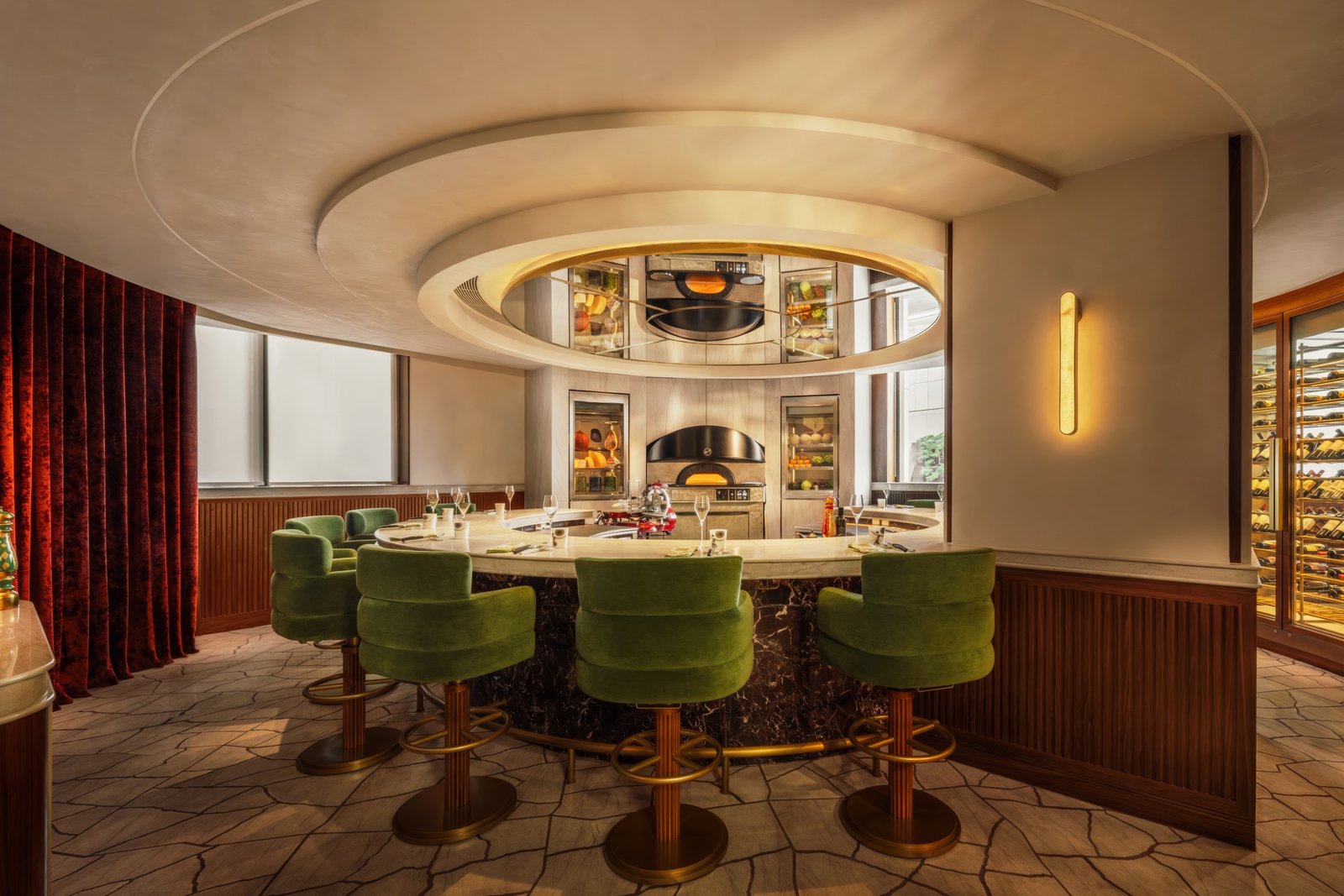
The format is deliberately restrained. It’s a counter-style experience, not a full-service restaurant, which means diners sit face-to-face with the kitchen’s operation. The menu unfolds as an omakase journey, where chefs take the lead on pacing and selection rather than leaving choices entirely to guests. This mirrors the ritualistic structure of sushi dining while applying it to pizza, a product typically sold by the slice or pie with minimal ceremony.
The Pizza Omakase Format and the Dough
The technical foundation centers on a 72-hour matured dough that chefs stretch and bake in front of diners. That fermentation window is the detail that matters most here. Extended bulk fermentation in pizza-making develops complex flavors and a more digestible crumb structure, a technique borrowed from fine-dining contexts and sourdough culture rather than the quick-rise methods common in casual pizzerias. Toppings pull from dual sourcing: premium seasonal produce from Italy paired with Japanese ingredients, creating a cross-cultural layering that feels deliberate rather than gimmicky.
Beyond pizza, the tasting rounds out with artisanal cured meats and fine cheeses, fresh seafood, salads, and Italian desserts. The beverage component includes classic Italian cocktails that have been reimagined with Japanese ingredients, suggesting a house style that treats both culinary traditions as equal partners rather than one being guest to the other.
The Venue and the Price Point
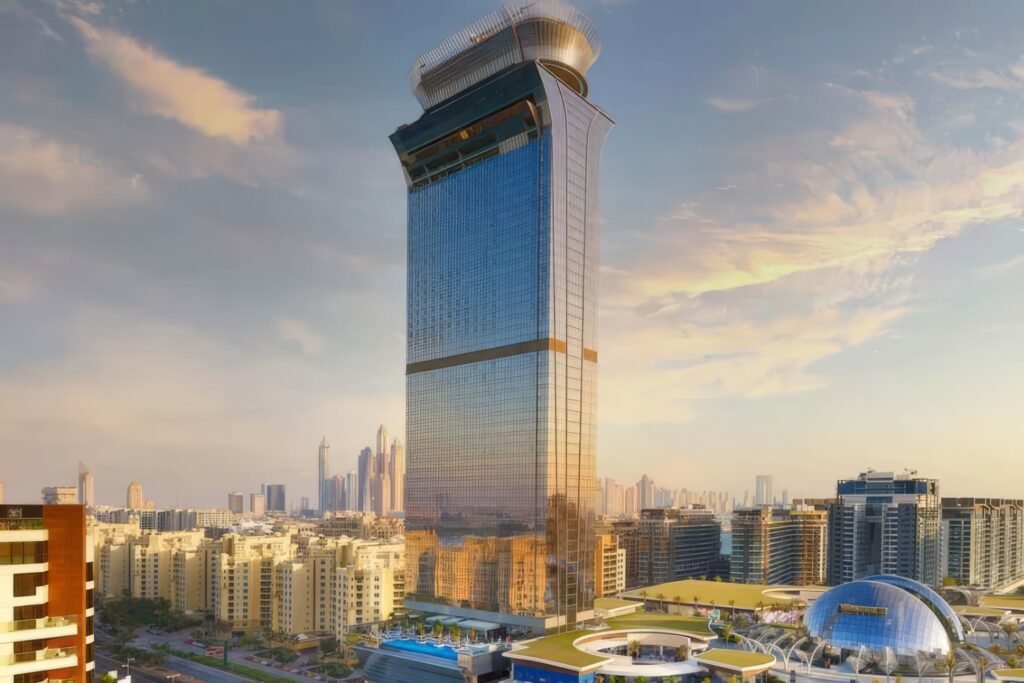
Mandarin Oriental Hong Kong carries significant cultural weight in the city’s hospitality hierarchy. A property at this level doesn’t typically host emerging concepts or experimental formats unless there’s confidence in both the culinary vision and the likely clientele. The counter’s presence on the hotel’s M/F level indicates it’s not hidden in a back corner but positioned as part of the property’s deliberate dining portfolio. A private dining room is available for smaller groups, suggesting flexibility in how the concept can be deployed depending on party size and occasion.
Pricing details remain unreleased in the announcement, which is typical for omakase-format dining where costs vary significantly based on ingredient selection and party size. The absence of a fixed price list signals the counter operates more like high-end sushi establishments, where guests either commit to a chef’s tasting at a set per-person rate or negotiate custom experiences. That model works at a five-star hotel but would feel prohibitive at most casual venues, confirming this is positioned for expense-account diners and serious food tourists rather than neighborhood regulars.
Context and Timing
The opening arrives amid a broader wave of new dining openings across Hong Kong in November 2026. A Singaporean bagel house opens in Sai Ying Pun; a dry-aged Korean barbecue spot lands in Tsim Sha Tsui; a second Spanish tapas location from chef Edgard Sanuy Barahona debuts in Wan Chai on November 3rd; and an Italian cocktail lounge launches at Rosewood Hong Kong on November 25th. That clustering of refined, concept-driven restaurants suggests the city’s fine-dining calendar is hitting a particular peak moment, or at minimum, that hospitality groups are coordinating major debuts around late autumn.
What distinguishes the Mandarin Oriental pizza counter is its specificity. It’s not adapting an existing casual format for a luxury setting. It’s importing a format that already operates within a premium context in Tokyo and placing it in an equally premium context in Hong Kong. That’s different from, say, opening a high-end branch of a casual brand. It suggests the Tokyo original has already proven durable and distinctive enough to warrant international expansion, and that Mandarin Oriental saw strategic value in hosting it.
For reservation details, the hotel’s main line is +852 2522 0111. The concept’s arrival effectively positions Hong Kong as a secondary hub for Tokyo’s most experimental hospitality concepts, a role the city has increasingly played over the past five years as Japanese restaurateurs view it as a natural market for premium Asian dining concepts.