City Of God Season 2: The streaming sequel to Fernando Meirelles’ 2002 masterpiece returns with new episodes on Max, continuing the story of Rio’s most brutal favela.
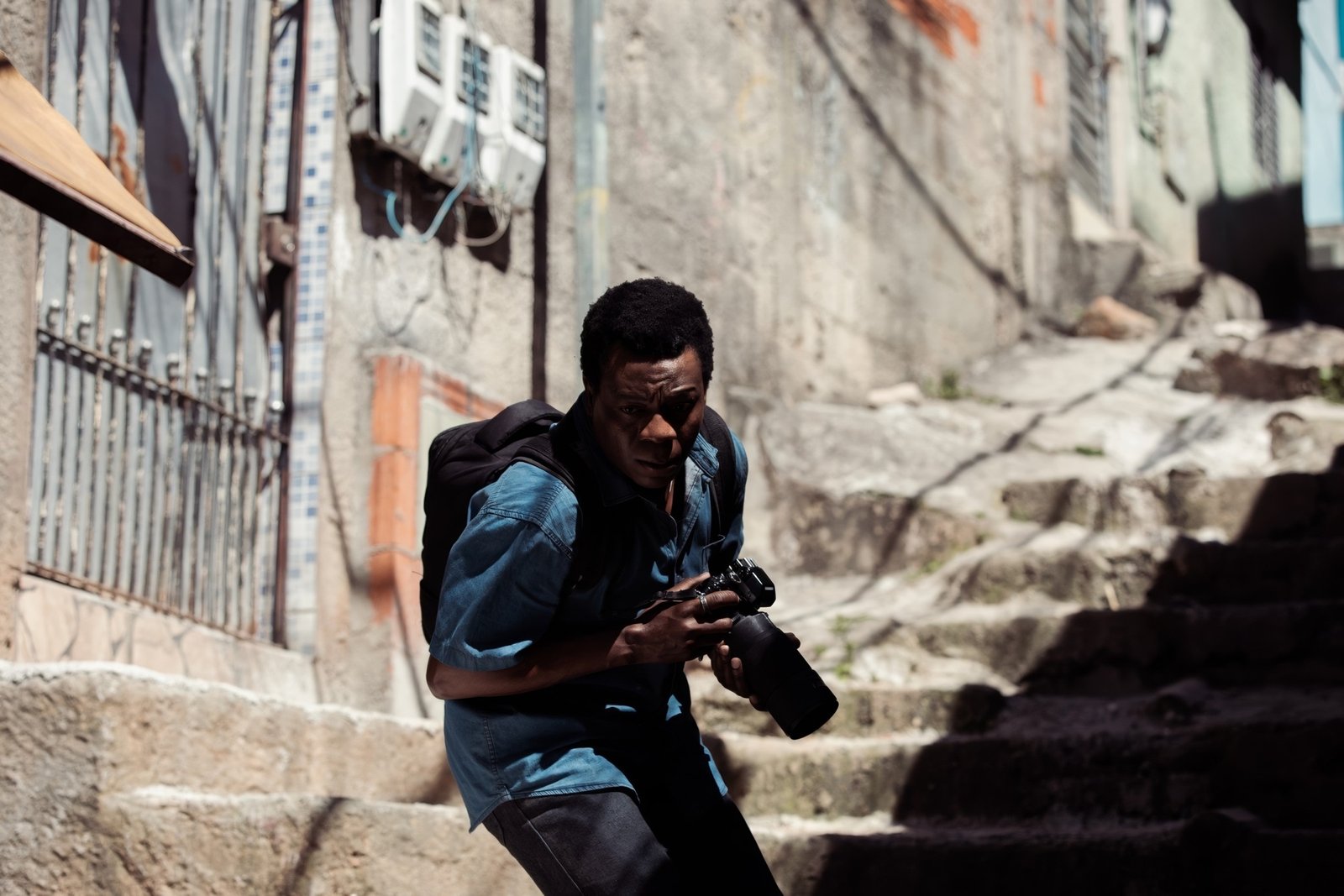
City of God Season 2 is expanding the world of one of cinema’s most influential works. After the original film’s seismic impact on global cinema nearly a quarter century ago, Max is now home to City of God: The Fight Rages On, the series that serves as a direct continuation of Fernando Meirelles’ 2002 landmark. The arrival of new episodes marks a rare moment when streaming platforms attempt something more ambitious than rebooting or remaking canonical material, instead building outward from it with the blessing of the original creators.
The 2002 film remains one of the most consequential Brazilian films ever made in the international marketplace. Its visceral depiction of organized crime, gang warfare, and systemic poverty in Rio de Janeiro’s Cidade de Deus favela earned it an Academy Award nomination for Best Cinematography and became a cultural touchstone that influenced everything from hip-hop aesthetics to crime television for the next two decades. The film’s rapid-cut editing, handheld camera work, and ensemble cast structure became the visual language that prestige TV crime dramas would spend years trying to approximate. Replicating that energy on the small screen, let alone extending the narrative into new territory, presents an obvious creative gamble.
What makes the streaming series conceptually interesting is that it doesn’t attempt to remake or reboot the film’s events. Instead, it functions as a direct sequel, moving the timeline forward and exploring what becomes of Rio’s criminal underworld and the communities caught within it after the original story concludes. This approach respects the film’s closure while acknowledging that the systemic conditions that created the violence in 2002 didn’t disappear when the credits rolled. The series picks up the thread of ongoing conflict, generational trauma, and the endless cycle of poverty and criminality that the original film documented so unflinchingly.
The decision to continue this story on a streaming platform rather than in theatrical form reflects both the economics of prestige television and a broader shift in how legacy properties are leveraged in the post-theatrical era. Where once an acclaimed film’s only sequel would come through another cinema release, Max’s investment in City of God: The Fight Rages On suggests that even narratives rooted in cinema’s grammar can find continuation through episodic storytelling. The visual language that Meirelles pioneered needs to translate across eight or more hours rather than compress into 130 minutes, requiring different pacing, character development, and narrative architecture.
The broader question hovering over Season 2’s release is whether a series can sustain the propulsive energy and formal innovation of the original without diluting what made it essential. The 2002 film’s power came from a combination of documentary-adjacent realism, stylistic audacity, and an almost overwhelming density of incident and character. Television, by its nature, moves at a different rhythm. The series has to hold viewers across multiple episodes, which can mean more breathing room for character development but also runs the risk of dissipating the urgency and visceral impact that made the original so affecting.
For viewers encountering City of God through streaming rather than theatrical exhibition, Season 2’s arrival also signals something about how canonical works of cinema are being integrated into the streaming era. The film can exist on Max alongside the series, creating a viewing experience where the original remains accessible while new narrative threads unfold. This kind of integrated approach to legacy content, where prequels, sequels, or spinoffs coexist with the source material on the same platform, is still relatively rare. Most streaming expansions of beloved films exist in awkward relation to the original work, competing for attention rather than complementing it.
The release of Season 2 also arrives at a moment when Brazilian cinema and television are receiving increased investment from international streaming platforms. The success of productions like Narcos and Queen Sugar demonstrated that audiences have an appetite for narratives centered on communities and struggles often marginalized in English-language media. City of God: The Fight Rages On represents a chance for Max to deepen its relationship with Brazilian storytelling while trading on the credibility of one of the most respected films of the 21st century.
City of God Season 2’s release signals a pivotal moment in how canonical works of cinema are being integrated into the streaming era. The film can exist on Max alongside the series, creating a viewing experience where the original remains accessible while new narrative threads unfold. This kind of integrated approach to legacy content, where sequels coexist with the source material on the same platform, reflects a broader evolution in how prestige television extends beloved narratives. As City of God Season 2 unfolds across multiple episodes, it demonstrates that even stories rooted in cinema’s most visceral grammar can find meaningful continuation through episodic storytelling.