Yogyakarta Wellness Tourism: Indonesia’s government-backed push to reposition wellness tourism culminates in a three-day summit that treats ancestral healing practices as premium tourism products.
The Jogja Cultural Wellness Festival, a Yogyakarta wellness tourism event, shut down on November 8 after three days of programming that radically repositioned the city’s tourism image from temple tours and sightseeing into something altogether different: immersive health rituals rooted in Indonesian ancestral knowledge. The event, running November 6 to 8 at Loman Park Hotel and across distributed community zones throughout the region, operated under a single theme, “RECONNECT: Reconnecting People, Culture & Wellbeing,” and backed by the Ministry of Tourism and Creative Economy of Indonesia, it represented the fourth iteration of what has become an institutional push to brand the city as a global wellness destination.
The scale tells the story. Organizers delivered 92 distinct programs across 97 different communities, a jump in both programming volume and grassroots participation that signals how deeply the Indonesian government intends to embed wellness tourism into the local economy. This wasn’t a handful of luxury spa retreats marketed to wealthy foreigners. Instead, the festival operated on what organizers call the “Pentahelix” model, aligning government agencies, academic institutions, private business, community organizations, and media to create what they frame as a sustainable ecosystem. The architecture matters because it’s designed to ensure that the economic benefits of wellness tourism actually flow back to local practitioners rather than pooling at the top of international resort chains.
Repositioning Yogyakarta Wellness Tourism Through Jamu and Culinary Heritage
At the festival’s core sat Jamu, Indonesia’s centuries-old herbal medicine tradition. Through dedicated workshops, the festival introduced international visitors to the preparation and use of natural ingredients as daily health practice. The framing was deliberate: positioning ancestral knowledge as a premium tourism product rather than a folk curiosity. International tourists could participate in Jamu workshops specifically designed to introduce global audiences to Indonesia’s herbal heritage and traditional medicine preparations, turning what might have been dismissed as ethnic tourism into a structured educational offering. This shift repositions the traditional healer or herbalist not as a cultural relic but as a wellness expert whose knowledge commands market value.
Food as Medicine, Slowly
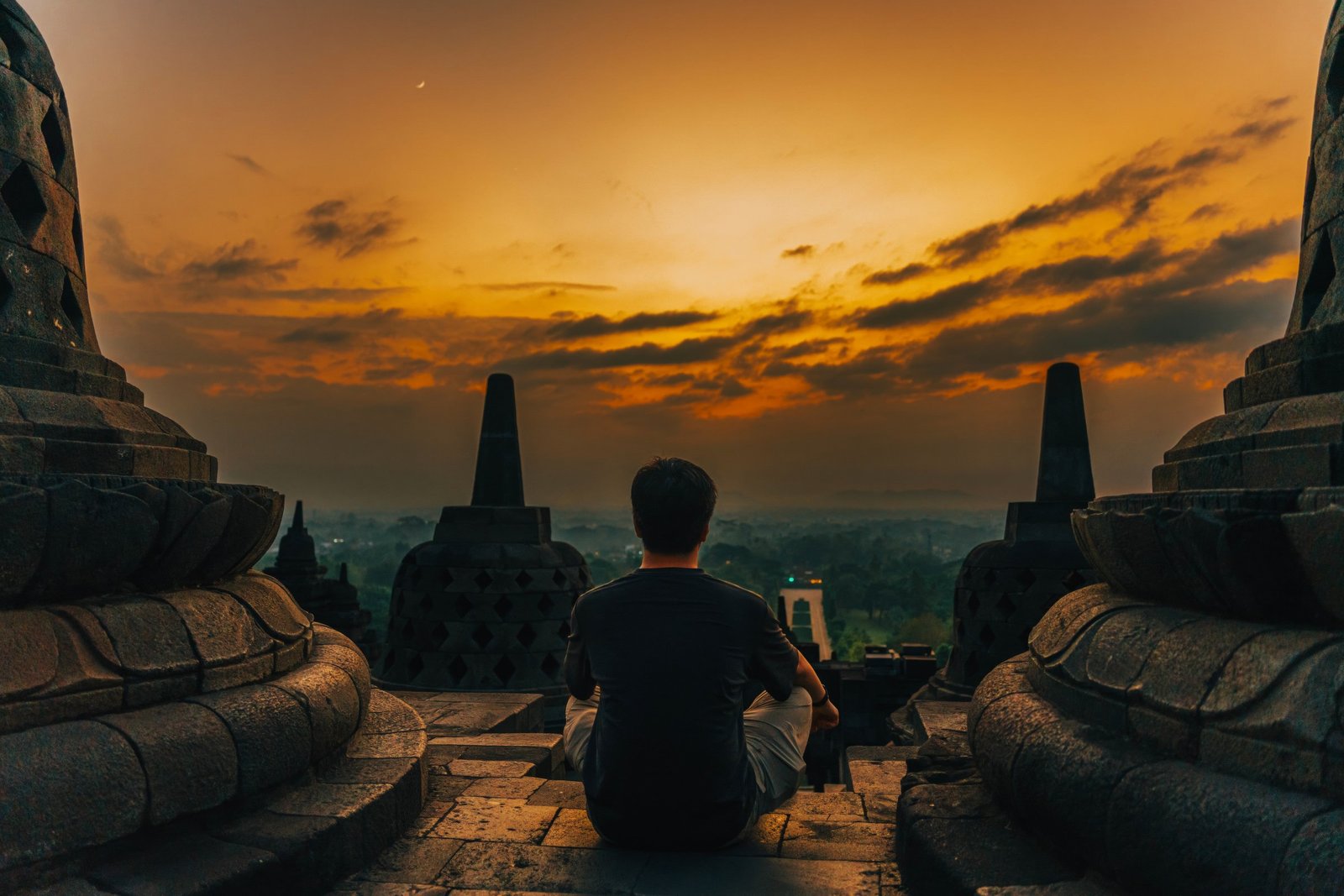
Equally central was the Culinary Wellness zone, which reframed Indonesian cuisine as medicinal infrastructure rather than mere gastronomy. Travelers encountering this programming learn to view what they eat not as isolated dishes but as components of a holistic health regimen. The shift encourages a slower form of tourism altogether. Rather than hitting Borobudur at sunrise and Prambanan by noon, the festival positions Yogyakarta as a destination where visitors stay longer to engage in structured healing processes. That’s the real product being sold here: not a quicker experience but a deeper one, stretched across days or weeks instead of hours.
The five distinct zones that structured visitor movement through the festival created a deliberate pathway through different modalities of Indonesian wellbeing. This zoning wasn’t random; it’s a tourism design strategy borrowed from wellness resort templates but applied to an entire city and its surrounding communities. A visitor moving through these zones becomes part of a choreographed encounter with traditional practitioners, culinary experts, and healing specialists who are increasingly integrated into the formal tourism economy through certification programs and professional frameworks.
What makes this moment distinct from typical wellness tourism marketing is the explicit government backing and the stated long-term ambition. The Indonesian government isn’t treating this as a niche offering for a small wellness tourism segment. The goal, according to festival organizers, is to move Yogyakarta toward a “slow tourism” model that becomes economically sustainable at scale. Traditional practitioners get credentialed. Jamu becomes a recognized tourism offering. Culinary wellness becomes a structured itinerary component rather than an accidental byproduct of eating local food.
The festival closing on November 8 didn’t mark an end so much as a consolidation. The 92 programs and 97 community partners represent infrastructure that persists beyond the three-day event. Each workshop, each Jamu preparation session, each culinary wellness experience documented during the festival becomes a template for what Yogyakarta can offer year-round. The international visitors who participated don’t leave with photos of temples; they leave with knowledge of how to prepare Jamu, relationships with local practitioners, and an understanding of how Indonesian food functions as medicine. That’s the kind of tourism engagement that generates repeat visits and extended stays, the economic model the government is building toward.