Sirocco Bangkok: Twenty years after claiming the world’s highest open-air dining spot, lebua is betting that a gutted Sirocco, a new all-day concept, and spa amenities can keep Bangkok’s most storied vertical destination relevant.
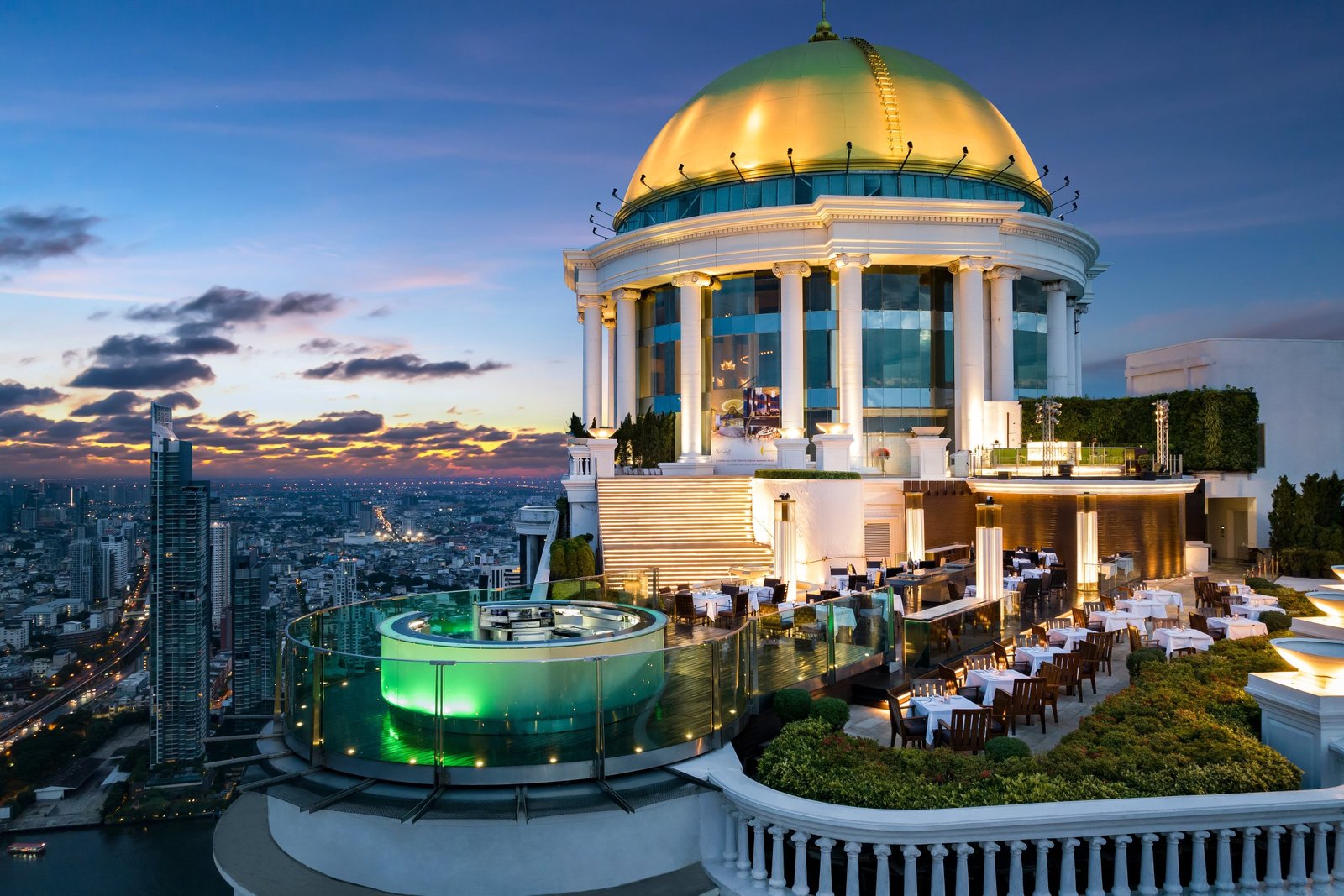
Sirocco Bangkok has always been lebua’s calling card. At 61 stories above the Chao Phraya River, it holds the title of world’s highest al fresco Mediterranean restaurant, a claim the hotel has worn like a badge since it first opened its rooftop to the city’s elite. But a badge wears thin over time. So this winter, the legendary venue is getting a complete overhaul: new flooring, an expanded bar, additional lounge seating, and what the hotel describes as a “fresh new aesthetic” built around a palette of crisp whites and natural tones with sculptural columns and refined lighting.
The renovation feels less like a cosmetic refresh and more like a calculated reset. After ranking number 5 in Thailand in the Condé Nast Traveler Readers Choice Awards 2026, lebua is doubling down on what brought it here while quietly acknowledging that rooftop restaurants, even record-breaking ones, face an increasingly crowded battlefield. The new Sirocco expands vertical sightlines with raised flooring near the fountain section and reconfigured seating that promises even more exclusive views of the river, night sky, and the sprawling Bangkok grid below. Whether that translates to a more intimate dining experience or simply a more densely packed one remains to be seen, but the hotel is banking on the idea that guests want to feel like they’re experiencing something that’s been thoughtfully reimagined rather than merely preserved.
Sirocco Bangkok Reimagined: The $20 Million Overhaul
The more radical move, however, is what’s happening inside. Café Mozu, the hotel’s all-day dining stalwart, is being completely reimagined as Les Marchands, a new concept designed to blur the line between casual dining and curated lifestyle. Rather than limiting itself to a single culinary identity, Les Marchands will present Indian, Italian, and authentic Thai cuisines on rotating menus, treating the restaurant as a kind of gastronomic passport through three major regional traditions. It’s a strategy that reads like a hedge against the increasingly fragmented tastes of luxury travelers, who no longer want to choose between cuisines but expect a hotel to offer them on the same evening.
What distinguishes Les Marchands from a standard hotel buffet concept is its integration into the broader property experience. The open-air restaurant mirrors the warm and gentle tones of lebua’s recently renovated suites, creating what the hotel calls a “cohesively refined experience across all property touchpoints.” More tellingly, it anchors a day club and pool lounging area complete with private cabanas, signaling that lebua is repositioning itself not just as a fine dining destination but as a lifestyle ecosystem where guests can move seamlessly from breakfast to spa treatment to sunset cocktails without leaving the property.
Wellness and the 20-Year Reset
The real story here isn’t about food or rooftop views, though. It’s about what lebua is betting luxury hospitality means in 2026 and beyond. Narawadee Bualert, President and CEO of lebua Hotels & Resorts, framed the renovation cycle as an expression of the brand’s core philosophy: “true luxury is not simply what we offer but is how we make every guest feel.” That language masks a harder truth. After two decades of operating as Asia’s most famous vertical address, lebua is confronting the reality that novelty alone no longer sustains premium positioning.
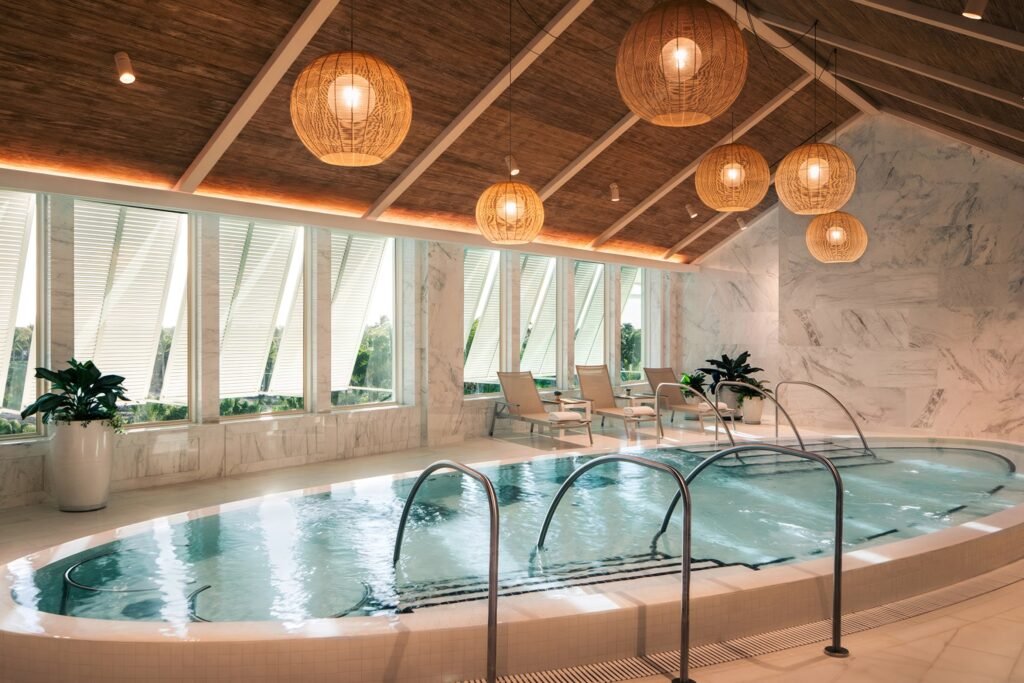
The addition of “holistic wellness amenities” alongside the dining renovations suggests the hotel has absorbed what every major luxury property has learned over the past five years: wellness is no longer a amenity bucket but a primary draw. The newly expanded spa, salon, and state-of-the-art fitness center sit alongside the redesigned suites and restaurants as equally important components of the guest experience. It’s a recognition that the modern luxury traveler wants to leave a property feeling physically better, not just well-fed and photographed against a city skyline.
Timing the rollout for the winter season and New Year’s Eve festivities is a calculated move. The holidays represent lebua’s peak demand period, and the phased approach allows the hotel to generate buzz and revenue from returning guests who’ve already booked before Les Marchands and reimagined Sirocco are even operational. Early arrivals will experience the transformation in real time; later guests will arrive to the “finished” version and encounter what lebua hopes reads as a completely renewed property rather than one in mid-construction.
What remains unclear is whether a redesigned rooftop restaurant and a multi-cuisine all-day concept can genuinely move the needle for a property that’s already achieved maximum visibility. Sirocco’s novelty factor is, by definition, exhausted. The challenge lebua faces isn’t staying on the map but proving that its evolution reflects an authentic understanding of what guests actually need, not just what they want to Instagram. Whether the new Sirocco and Les Marchands accomplish that, or merely freshen the existing model, will determine whether this 20-year reset extends the property’s reign or begins a slow descent into the category of “iconic but aging.”