Coperni’S Collapse: The Paris label known for spray dresses and experimental runway spectacle filed for protection in court this November, revealing how distributor disputes and financial strain can dismantle even the most culturally resonant independent brands.
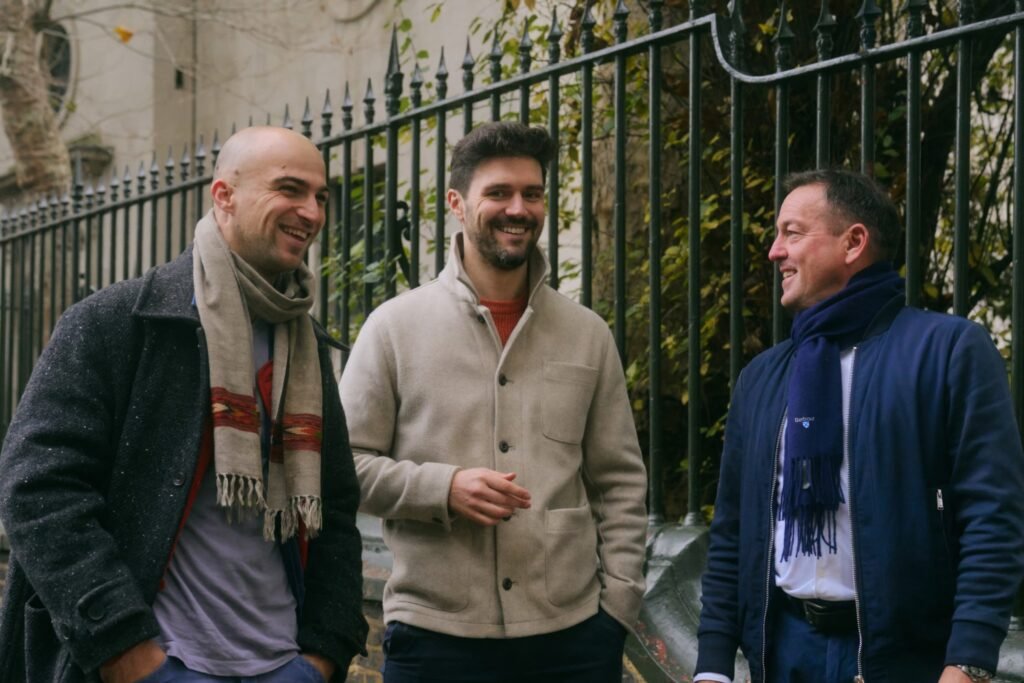
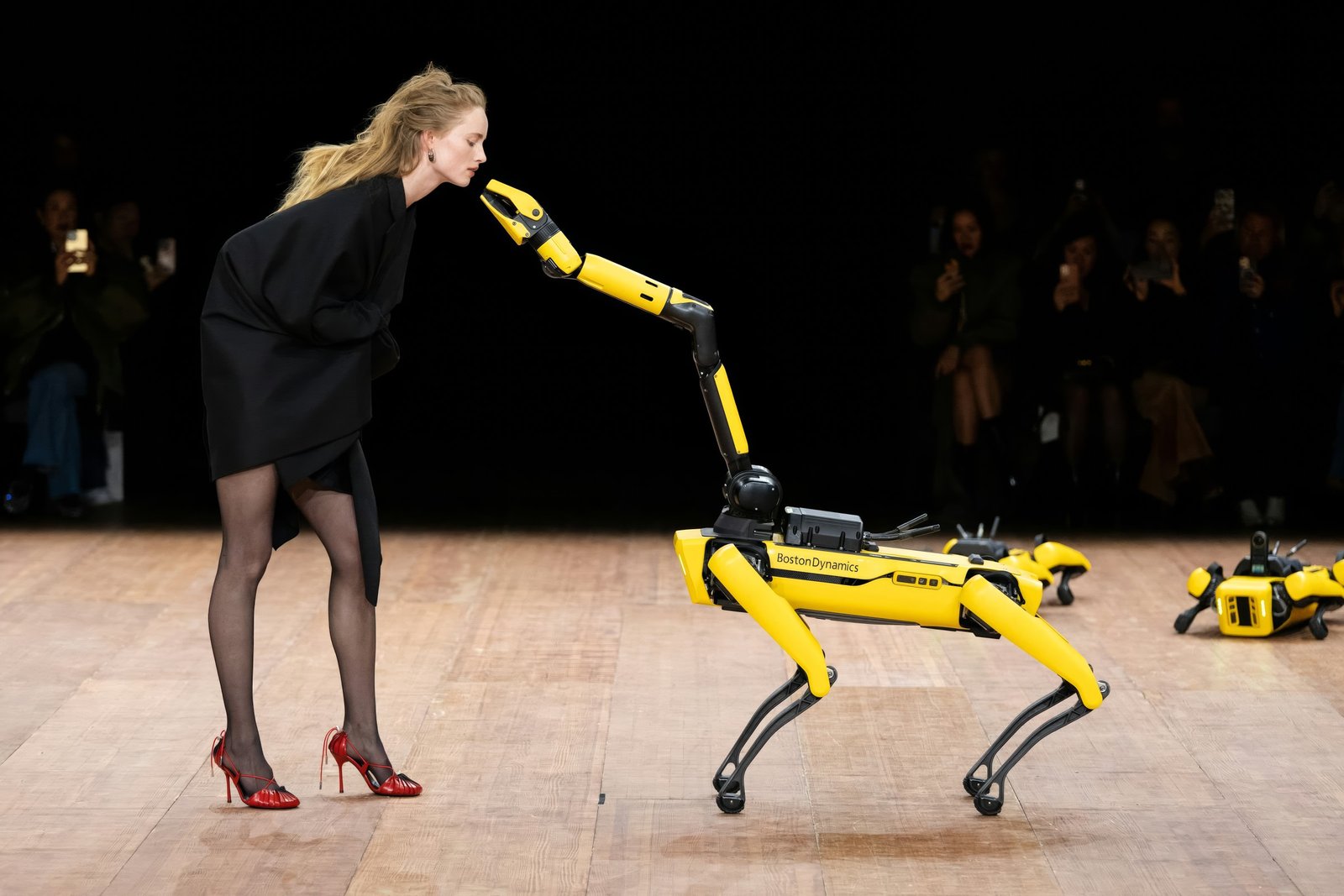
Coperni’s collapse marked the end of an era. The Paris label helmed by Sébastien Meyer and Arnaud Vaillant had built a reputation on moments that stopped the internet dead: wearable technology colliding with high fashion, runway shows that felt like art installations, bags that seemed to exist at the intersection of streetwear and sculpture. The Swipe bag. The unforgettable shows. The cultural weight of a brand that had managed to make experimental fashion feel necessary, not just novel. On November 4th, that era ended when Coperni SAS entered protection in the Paris court after months of mounting financial difficulties and a dispute with its distributor and majority shareholder, Tomorrow, that remained unresolved.
The shutdown landed quietly in the noise of a typical week in fashion, buried among creative director announcements and collaboration reveals. But the mechanics of Coperni’s collapse tell a story the industry rarely surfaces: what happens when the viral momentum stops, when the distributor who owns you turns into an adversary, when months of disagreements over outstanding payments accumulate into a court filing. According to Stavy Delmar’s Fashion Weekly Roundup, the brand’s troubles had been building for a while, but the specifics remained murky until the legal protection made it official. A brand that had monetized experimentation, that had convinced luxury consumers and fashion editors alike that the future of design lived in the unconventional, couldn’t survive the grinding machinery of business operations and stakeholder conflict.
Coperni’s Collapse and the Distributor Problem
Coperni’s situation crystallizes a structural vulnerability that few emerging labels acknowledge publicly. The relationship between an independent brand and its distributor is often presented as straightforward: the distributor handles logistics, retail placement, the boring back-end work that lets designers focus on creativity. In practice, especially when that distributor holds majority ownership, it becomes something closer to a power dynamic. Tomorrow controlled Coperni’s future while simultaneously controlling access to wholesale partners and retail networks. When that relationship fractured over payment disagreements, the brand had few levers to pull. Months of unresolved disputes don’t leave room for operational breathing space. Cash flow halts. Accounts payable stack up. The court becomes the only remaining option.
The timing matters too. This wasn’t a sudden collapse triggered by a single misstep. It was the slow accumulation of financial pressure meeting structural dysfunction. Coperni had been making headlines for years. The brand had cultivated a dedicated following. And yet none of that cultural capital translated into operational resilience when the distributor relationship imploded. Meyer and Vaillant had built something that the industry loved to talk about, but the economics underneath hadn’t held.
What Happens to Independent Design in a Consolidating Industry
Coperni’s filing arrived at a moment when the fashion industry was actively reshaping its relationship with technology and labor. According to Stavy Delmar’s reporting, Ralph Lauren’s 2026 executive plan had begun tying executive bonuses to how well leaders understood and applied AI, alongside sustainability commitments. Meanwhile, garment workers in Bangladesh were striking for wage increases, calling for the minimum monthly wage to rise from 12,500 to 30,000 taka as food, accommodation, and transport costs climbed. These stories exist on opposite ends of the industry’s priorities: technology advancement and cost optimization for brands at the top, survival wages for production workers, and increasingly, financial instability for the independent labels in the middle.
The question Delmar posed in the wake of Coperni’s shutdown lingered: how do independent designers actually maintain creativity while running a business that survives? The industry celebrates viral moments, runway spectacles that generate press and social media momentum. Those moments are real, and they matter culturally. But the infrastructure required to sustain a brand between those peaks remains invisible and underfunded. A distributor dispute doesn’t make headlines the way a collaborative launch does. Payment disagreements don’t generate the same kind of cultural conversation as an experimental garment. Yet they’re often what determines whether a label continues to exist.
Coperni’s closure doesn’t mean the end of experimental fashion or independent design ambition. But it does mean the end of one specific bet: that a brand built on technical innovation and visual drama, controlled by a distributor with conflicting interests, could maintain stability once that partnership failed. Meyer and Vaillant created something that resonated. The Paris court protection filing confirmed that resonance alone wasn’t enough.