Subdial Watch Resale: A UK-based timepiece trading platform is betting serious capital that the US secondary market is ripe for disruption.
The pre-owned luxury watch market in America just got a well-funded new contender. Subdial watch resale, a UK-based platform specializing in authenticated watch trades, has closed a $20 million funding round with explicit plans to establish itself as a major player across the United States. The investment signals confidence that the world’s largest secondary timepiece market remains underserved by existing players, even as resale luxury has exploded across almost every other category.
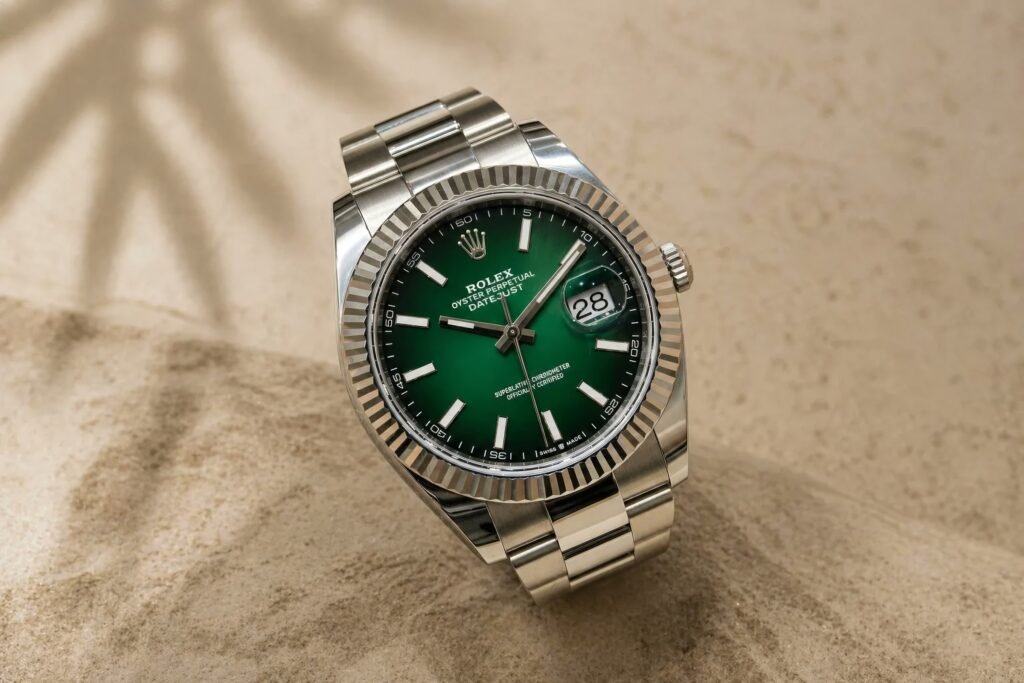
The timing feels inevitable in retrospect. While Vestiaire Collective and Grailed have dominated designer clothing and sneaker resale, the high-end watch market has remained fragmented, dominated by regional dealers and boutiques that often lack the transparency or standardized authentication processes that younger buyers increasingly expect. Subdial enters with the infrastructure and capital to challenge that status quo, targeting a demographic that views a pre-owned Rolex or Omega not as a consolation prize but as a legitimate alternative to retail pricing. In an era where dropping five figures on a new sports watch might mean a six-month waiting list and grey-market markups, the appeal of a vetted, authenticated secondary option becomes obvious.
What distinguishes Subdial from existing resale platforms isn’t just timing but focus. By concentrating exclusively on watches rather than offering watches alongside bags, jewelry, and other luxury goods, the platform can develop expertise that generalist resale sites lack. Authentication in the watch space requires knowledge of movement types, case variants, dial configurations, and production years that casual luxury resellers often don’t possess. A platform built from the ground up for that specificity can command trust in a category where counterfeit operations remain sophisticated and costly mistakes remain expensive for buyers.
The $20 million raise represents substantial validation that this approach can work at scale. The sum suggests investors see genuine runway for Subdial to build a network of verified dealers, establish buyer confidence through standardized grading and warranty structures, and eventually dominate a market segment that has historically operated through personal connections and phone calls. The US focus makes particular sense given the country’s concentration of wealth and established luxury watch collecting culture, from the horological obsessives in New York and Los Angeles to the emerging collector class in secondary cities.
What remains unclear is whether Subdial can execute at the speed required to establish dominance before the category attracts capital from heavier competitors. Established luxury conglomerates have watched the resale boom transform valuations across fashion and footwear. A profitable, scalable watch resale platform would be an obvious acquisition target or competition vector for LVMH, Richemont, or even more agile fintech players. The capital injection gives Subdial runway, but not necessarily a permanent moat.
For now, the real message of the $20 million is simpler: American watch buyers are about to see what happens when a well-funded, technologically sophisticated platform decides the Subdial watch resale market is worth building for. Whether that becomes Subdial’s moment or merely an early mover that opens a category for someone with deeper pockets remains the real watch to keep.