Craft + Design Canberra Festival: Australia’s flagship craft festival launches its 2026 edition across Canberra with studio open houses, a major design market, and a program rooted in dissent and creative resistance.
Craft + Design Canberra Festival formally opens November 5, 2026, with the launch of four exhibitions across the Craft + Design Canberra Gallery and Civic Square. The event marks the start of a month-long celebration of contemporary making that extends across multiple venues, from artist studios to public murals, anchored by a sprawling design market and a conference dedicated to creative dissent.
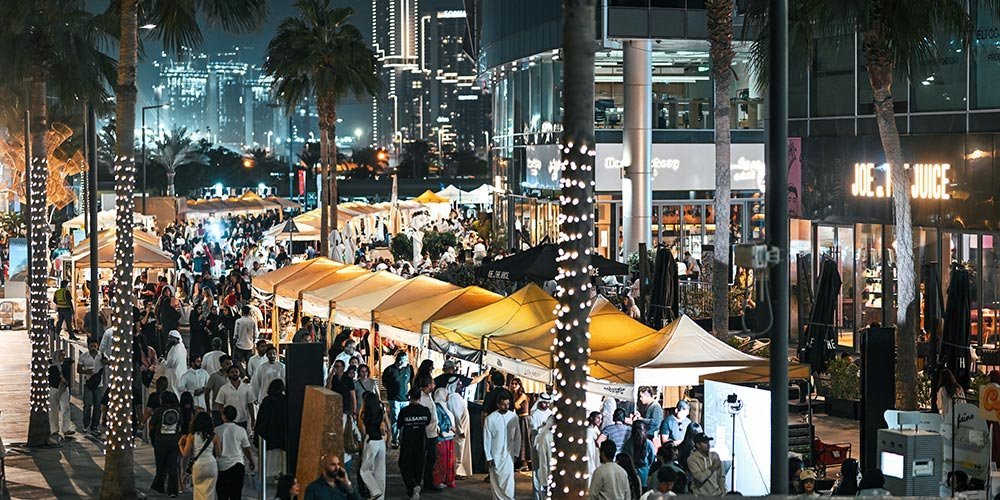
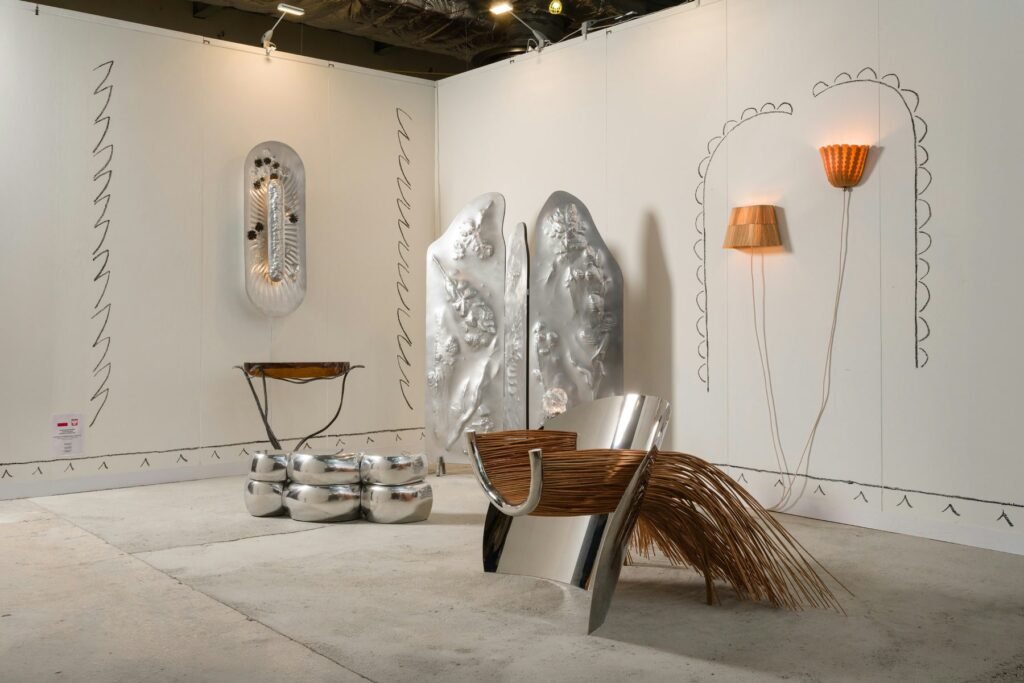
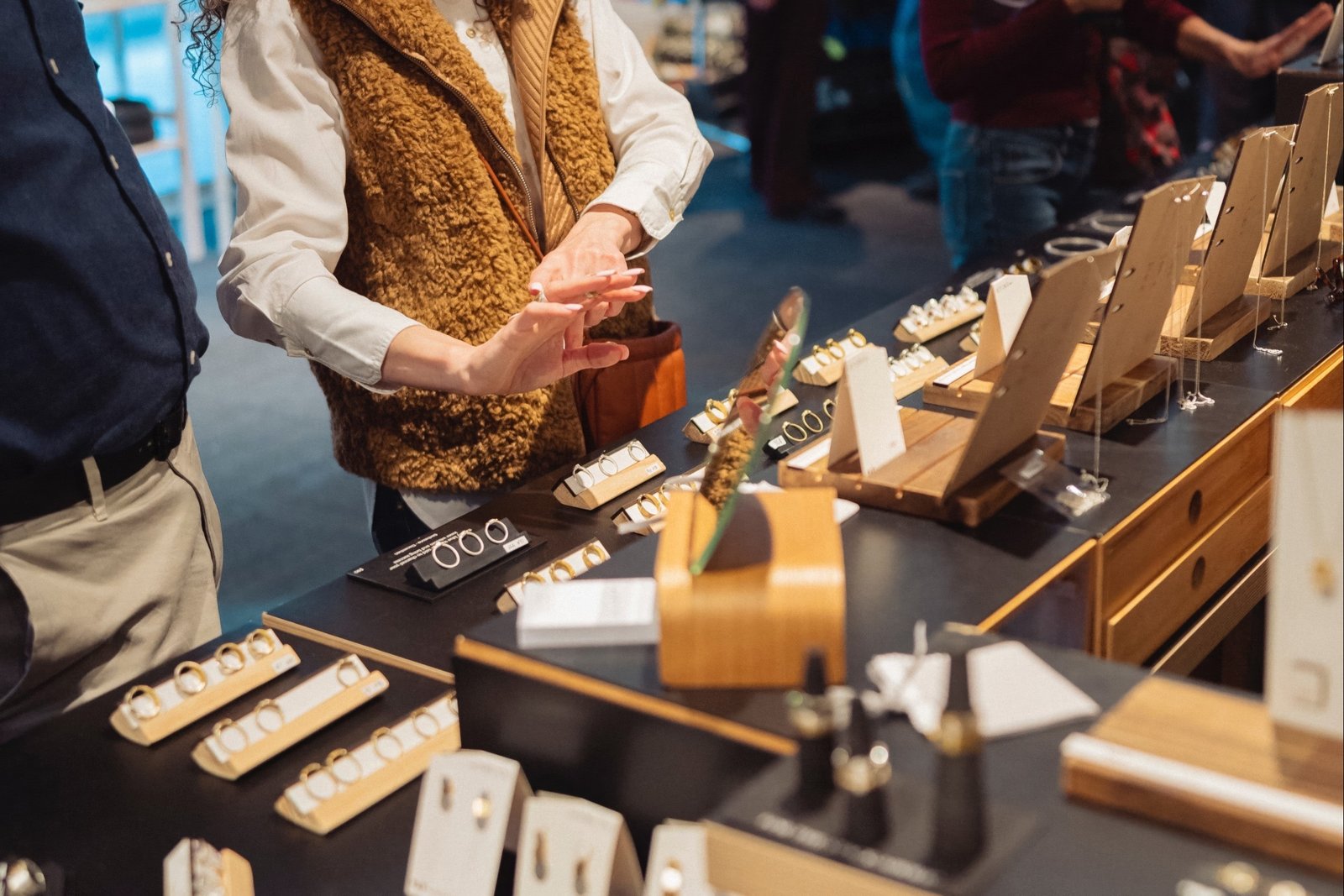
The festival’s centerpiece is the Undercurrent Design Market, running November 13 to 15 at Ainslie Arts Centre. The market brings together over 50 accomplished makers from across Australia, displaying work in jewellery, glass, ceramics, textiles, and an array of other mediums. The Undercurrent market positions itself as a gathering point for professional craftspeople and designers working at the contemporary end of the discipline, offering visitors direct access to makers whose practices span traditional and experimental approaches.
Craft + Design Canberra Festival Studio Access and Public Engagement
On November 7 and 8, the festival opens Canberra’s maker studios to the public. The studio visits allow visitors to step directly into the working spaces of local craftspeople, designers, artists, and arts organisations, observing the creative process firsthand. The initiative is supported by home.by.holly, a partnership that extends the festival’s reach into domestic and community spaces. The same weekend features Braddon Mural Magic on November 8, an immersive guided walk through the suburb’s street art that explores how artists use public walls to challenge conventions and initiate dialogue. The walk is designed for all ages and positions the city itself as a living creative gallery.
Dissent as Festival Theme
The 2026 program is unified by a curatorial focus on dissent as a creative force. This theme ripples across multiple programming strands. The BOLD Dissent conference on November 12 and 13 at Canberra Museum and Gallery convenes leading dancers, designers, and thinkers from Australia and internationally to examine how dissent shapes performance and visual arts practice, with sessions focused on building more accessible and inclusive environments within cultural organisations.
On November 11, Artmaking for YOU at Pearce Community Centre offers an inclusive, therapeutic workshop framed as creativity functioning as an act of dissent. Two days prior, on November 6, the National Film and Sound Archive of Australia hosts a conversation aligned with the festival theme, questioning which metrics matter most as Canberra develops. The discussion examines whether the city is optimising for measurable indicators or for qualities that enhance livability, and whether success needs redefinition.
Educational and performance programming extends the dissent concept further. On November 7, Belconnen Arts Centre hosts ALTER, an Austral/Asian collaboration by dancers living with and without disability. The double bill fuses dance with design practice, exploring body, identity, and cross-cultural exchange through both ephemeral visual art and choreography. On November 10, The Learning Nest Co. presents Atelier as Dissent, a professional development session for educators that uses studio practice to reimagine classroom environments, emphasising student agency and interdisciplinary connections.
Exhibitions and Design Partnerships
Running through November 15, the Bespoke Utopia exhibition at M16 Artspace features Canberra artists whose work embraces slow design principles rooted in care, material knowledge, and sustained thinking. The show links global conversations about sustainable design with Canberra’s craft heritage, questioning how thoughtful creative practice can resist fast, disposable production models. A final collaborative initiative, Break // Make: UC x Miko, runs November 9 to 15 and pairs University of Canberra students with the design studio Miko, creating multidisciplinary work that bridges education and professional practice.
The festival’s structure reflects a deliberate expansion beyond single venues or single disciplines. By distributing programming across studios, public spaces, commercial galleries, and cultural institutions, the festival positions craft and design not as specialised practice isolated in museums but as a force woven through education, urban aesthetics, performance, and everyday living. The emphasis on accessibility, whether through free studio access or workshops framed as inclusive and therapeutic, suggests a festival agenda concerned as much with who participates in making as with the objects made.