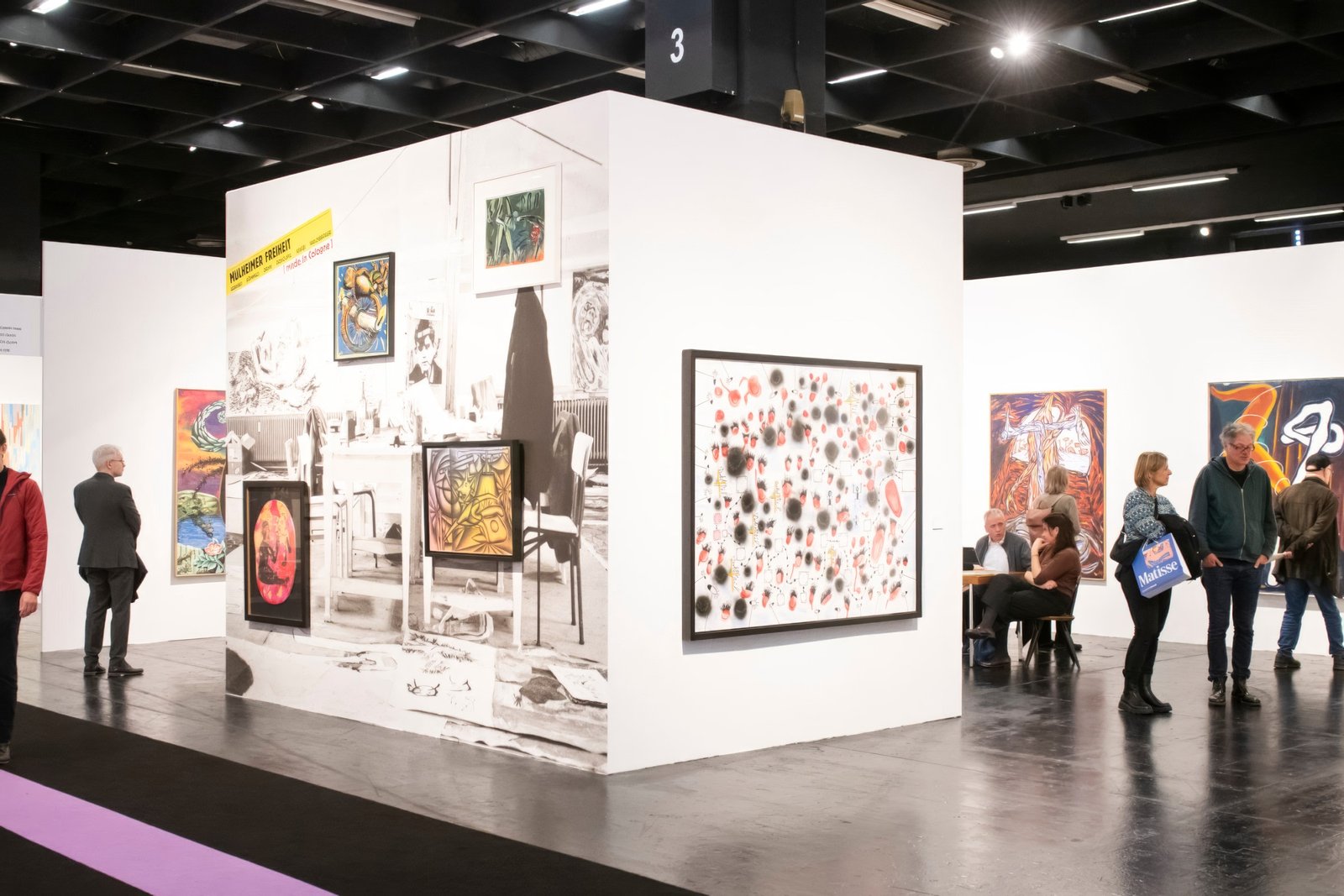
Art Cologne: The world’s oldest contemporary art fair opens November 5, 8 at Koelnmesse, spanning established work and experimental practice across Galleries, Neumarkt, Collaborations, and Art + Object.
Art Cologne is marking nearly six decades of existence this November, and the scale of the fair reflects an institution that has managed to remain relevant in a landscape where art fairs multiply and vanish with alarming regularity. The 59th edition, running November 5 through 8 at Koelnmesse in Cologne, brings together 65 galleries from around the world, a roster that speaks to the fair’s enduring pull on dealers working across every register of the contemporary market.
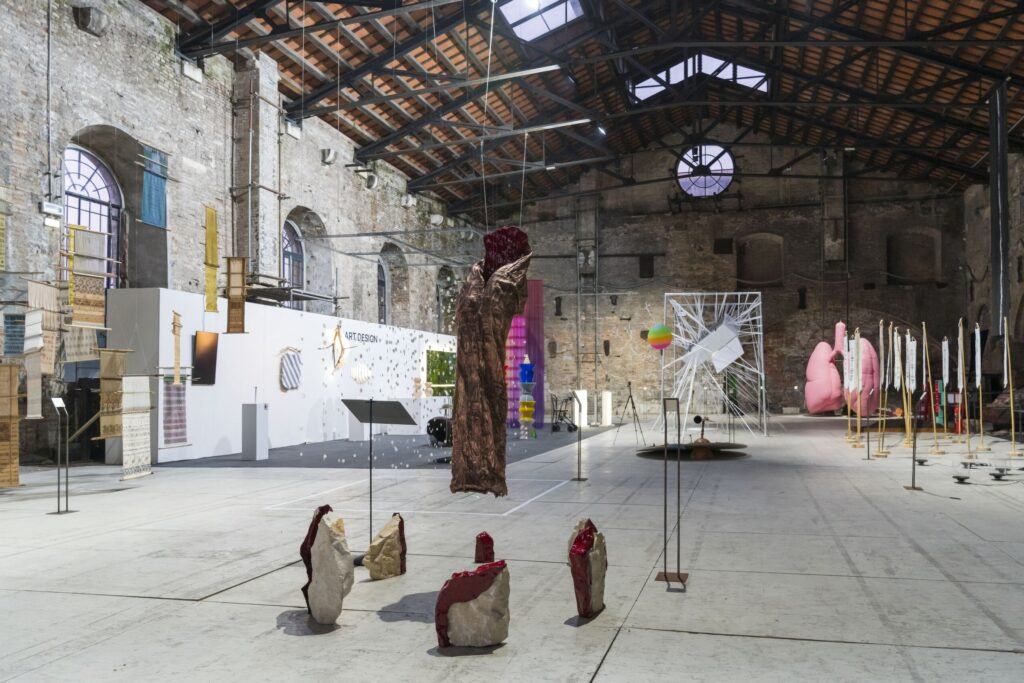
What distinguishes Art Cologne from the sprawl of November art fair programming is its structural approach to curation. Rather than dumping all participants into a single floor, the fair operates across four distinct sections, each with its own logic and aesthetic stakes. The Galleries section houses the traditional dealer model, where established galleries present inventory that ranges from mid-career consolidation to blue-chip roster work. Neumarkt operates as a dedicated space for emerging voices, a section that allows younger galleries and experimental programs to circulate work outside the commercial gravity well that can dominate larger fairs. Collaborations creates a framework for cross-pollination between galleries, artists, and institutions, while Art + Object opens the door to objects that occupy the contested terrain between fine art and design, craft and investment.
The four-part structure matters because it refuses a hierarchy that many art fairs default to, whether intentionally or through sheer economics. By creating separate zones with separate entry points and separate curatorial questions, Art Cologne acknowledges that contemporary art practice no longer orbits a single center. A sculptor working in ceramics exists in a fundamentally different market and aesthetic context than a painter working with digital tools or a gallery mounting a collaborative sound installation. The fair’s format treats these as equal concerns rather than variations on a central theme.
As the world’s first contemporary art fair, Art Cologne carries historical weight that most competitors don’t. That status could be purely museological, a legacy fact that dealers mention and collectors forget. Instead, the fair has managed to convert longevity into a structural advantage. Sixty years of relationships, repeat participants, and institutional memory create a baseline of curatorial coherence that newer fairs struggle to achieve. Galleries that return year after year know the audience they’re reaching and the context their work will occupy. Collectors who have attended multiple editions understand the fair’s rhythm and expectations.
The November timing also positions Art Cologne strategically within the broader art world calendar. It sits between major institutional fairs like Documenta and the spring gallery season, giving it breathing room in the crowded schedule. For dealers, especially those working with emerging artists or experimental practices, a fair where four sections exist with distinct curatorial mandates offers more precise targeting than a monolithic competitor. A gallery with a focused program doesn’t have to compete for attention in a generic booth; instead, they find themselves in a section designed to highlight their specific approach.
Whether Art Cologne’s model for segmented fair programming becomes more common remains to be seen. What’s clearer is that the fair itself isn’t resting on the mythology of being first. The structure of the 59th edition suggests an institution actively thinking about how contemporary art practice has fractured and diversified since 1967, when the fair was founded. By acknowledging that artists and galleries no longer operate within a single aesthetic or market framework, Art Cologne created space for the actual work being made today rather than the unified vision of contemporary art that earlier fair models assumed.