Arte Laguna Prize: Two decades of independent contemporary art converge at a historic Venetian industrial site, drawing finalists from across the world to exhibit in a sprawling 4,000 square meter showcase.
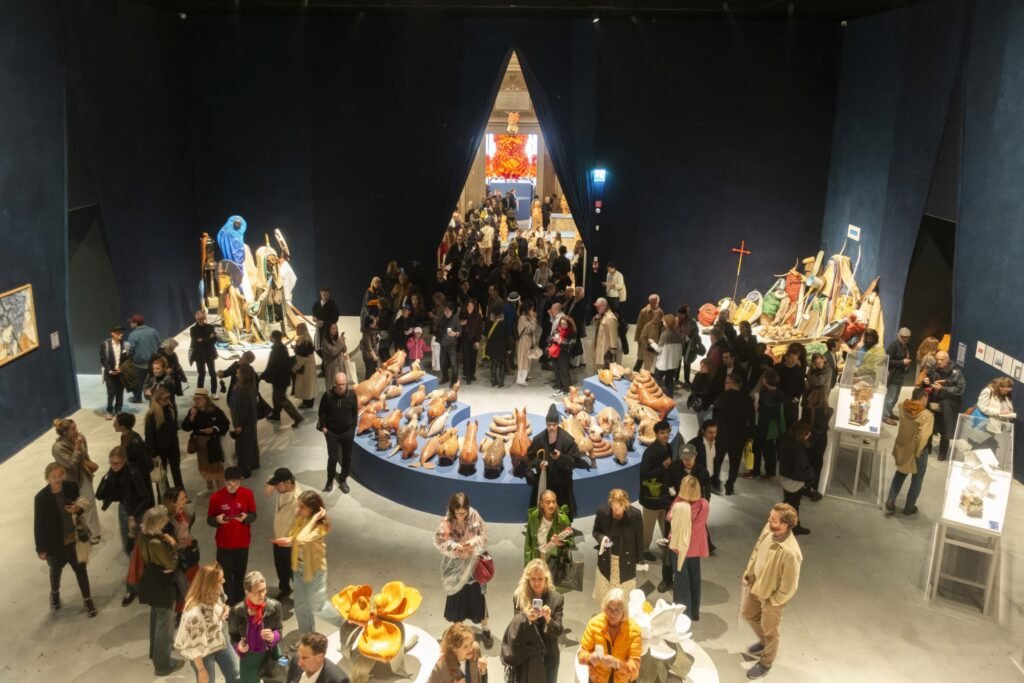
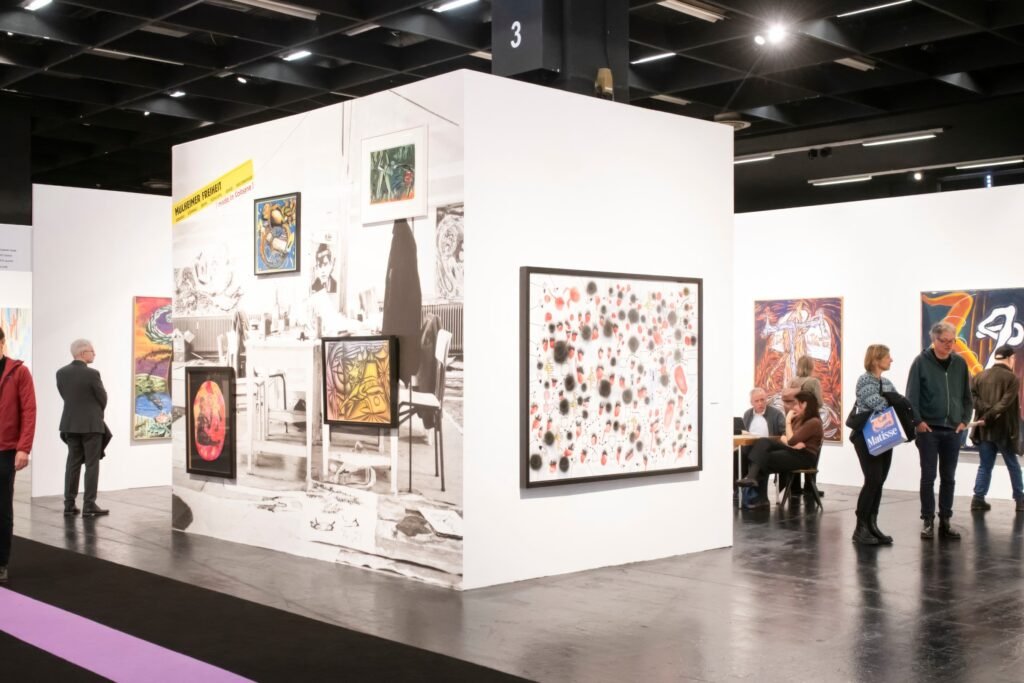
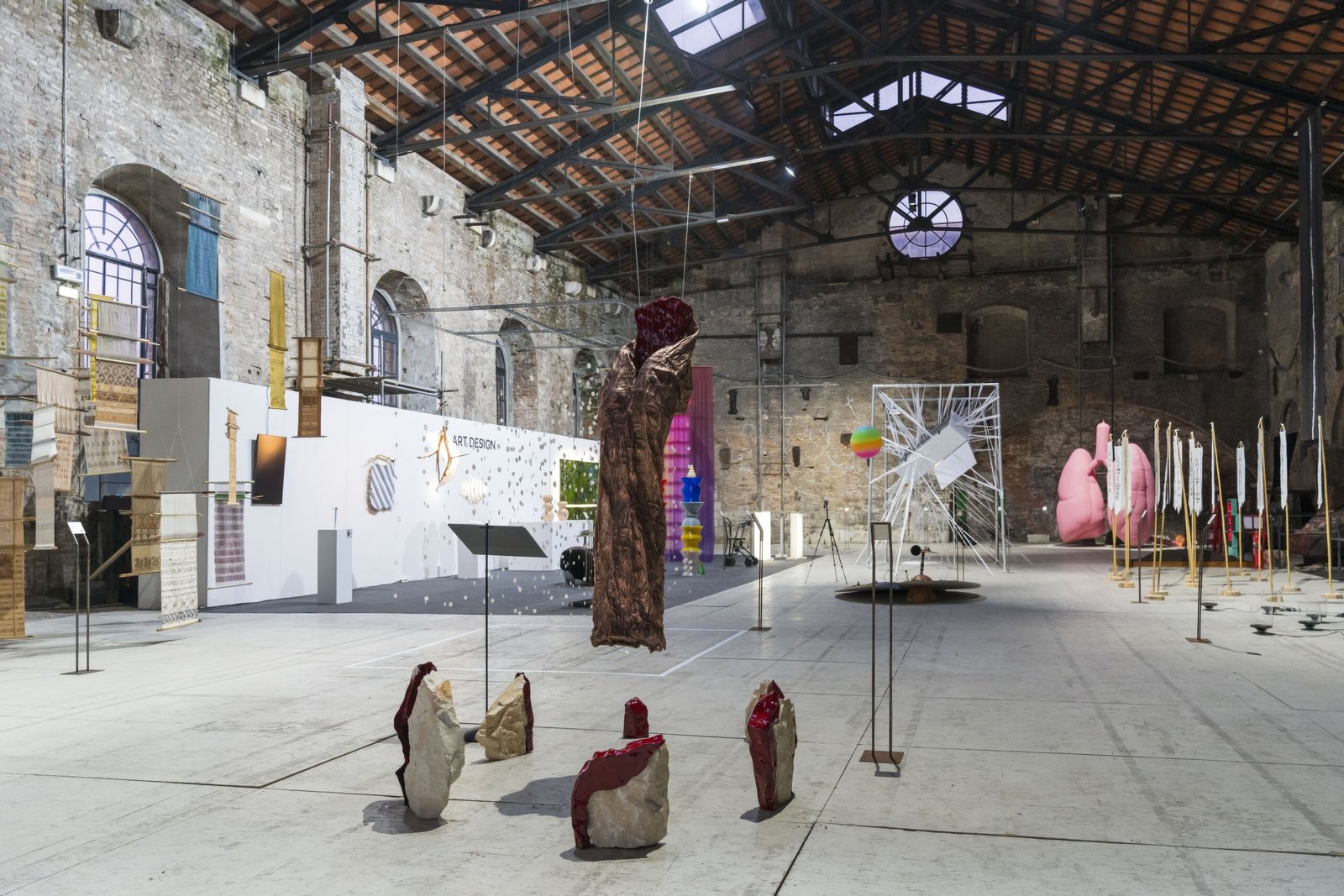
The Arsenale Nord, Venice’s storied industrial waterfront, is becoming a gallery this November. From November 6 to 29, 2026, the Arte Laguna Prize will open its 20th edition exhibition across more than 200 works selected from artists worldwide, marking two decades of the prize’s mission to champion independent contemporary practice. The show spans 4,000 square meters of the Arsenale’s cavernous historical spaces, transforming one of Europe’s most recognizable sites into a sprawling survey of where global contemporary art stands right now.
The scale here matters. Two hundred-plus artworks don’t fit casually into any venue, and the Arsenale Nord isn’t just any backdrop. It’s a working shipyard turned cultural venue, the kind of industrial brutalism that makes context itself part of the experience. Visitors arriving by water taxi (the Alilaguna Blue Line stops at Bacini Arsenale Nord every 30 minutes) will enter a space where contemporary art sits against centuries of Venetian maritime history. The exhibition is organized by MoCA APS, the Modern and Contemporary Art association behind the prize.
Arte Laguna Prize Leadership: Xiaoyu Weng and Jemima Kulumba
Two curators are steering the vision for this milestone edition. Xiaoyu Weng, an independent curator and writer based in New York, was born in Shanghai and serves as artistic director of the Tanoto Art Foundation. According to the Arte Laguna Prize website, Weng has collaborated with more than 50 organizations across all continents to organize exhibitions and programs, and has published numerous essays on contemporary art, visual culture, and curatorial practice. Her background bridges institutional and independent worlds, which shapes how the prize positions itself at the intersection of both.
Jemima Kulumba, co-founder of the Biennale of Women in Art (WIA), brings a different lens. WIA’s mission centers on cultural mediation around gender equality in the art sector. Kulumba has worked as a cultural mediator, curator, and consultant across Africa and beyond, including roles as curator of the Biennale of Children in Dakar and advisor to the Senegalese Ministry of Culture for the DakArt Biennale. Her involvement signals that Arte Laguna’s 20th edition is thinking beyond aesthetics alone, toward representation and equity in who gets selected and shown.
240 Artists, Two Juries, One Historical Moment
The prize operates on a dual-jury system. Two separate international juries selected 240 artists from thousands of submissions, a process that determines not just who exhibits but also who wins the competition’s special prizes. Those awards, chosen by partners from the full participant pool, add another layer of institutional recognition beyond the curatorial selection. On opening night, November 6, the schedule unfolds with precision: a 12 pm press preview, 5 pm public opening, and 7 pm award ceremony. This isn’t a soft launch. It’s a deliberately choreographed cultural event designed to generate momentum and media attention during one of Venice’s most crowded seasons.
The 240-artist count is the piece most observers will overlook. That number represents not just scale but survival. Twenty years into an independent prize’s life, when many art competitions collapse or fade into irrelevance, maintaining a jury system robust enough to seriously evaluate hundreds of submissions speaks to organizational discipline and genuine artist participation. This isn’t a vanity prize padding an artist’s CV. The Arsenale Nord exhibition represents a genuine selection process, one that has apparently stayed credible enough to attract global submissions in earnest.
Logistics and Access
Practical details matter in Venice, where geography and infrastructure shape experience. Group visits are available for parties of 10 or more, with dedicated tour bookings handled through info@artelagunaprize.com. The prize also encourages support through donations to MoCA APS, the organizing cultural association. For a biennial event built on independent funding and volunteer labor, the donation model is transparent: contributions directly support future artist opportunities.
The Arsenale itself carries symbolic weight. It’s where Venice’s maritime empire once built its fleet, where industrial labor and craft mastery merged for centuries. That the contemporary art prize uses this space speaks to a curatorial choice about context. You’re not viewing art in white-cube sterility. You’re in a working waterfront landmark, surrounded by the physicality of the city itself. Over 24 days, from November 6 through November 29, 2026, that collision between historical scale and contemporary vision will frame everything on display.