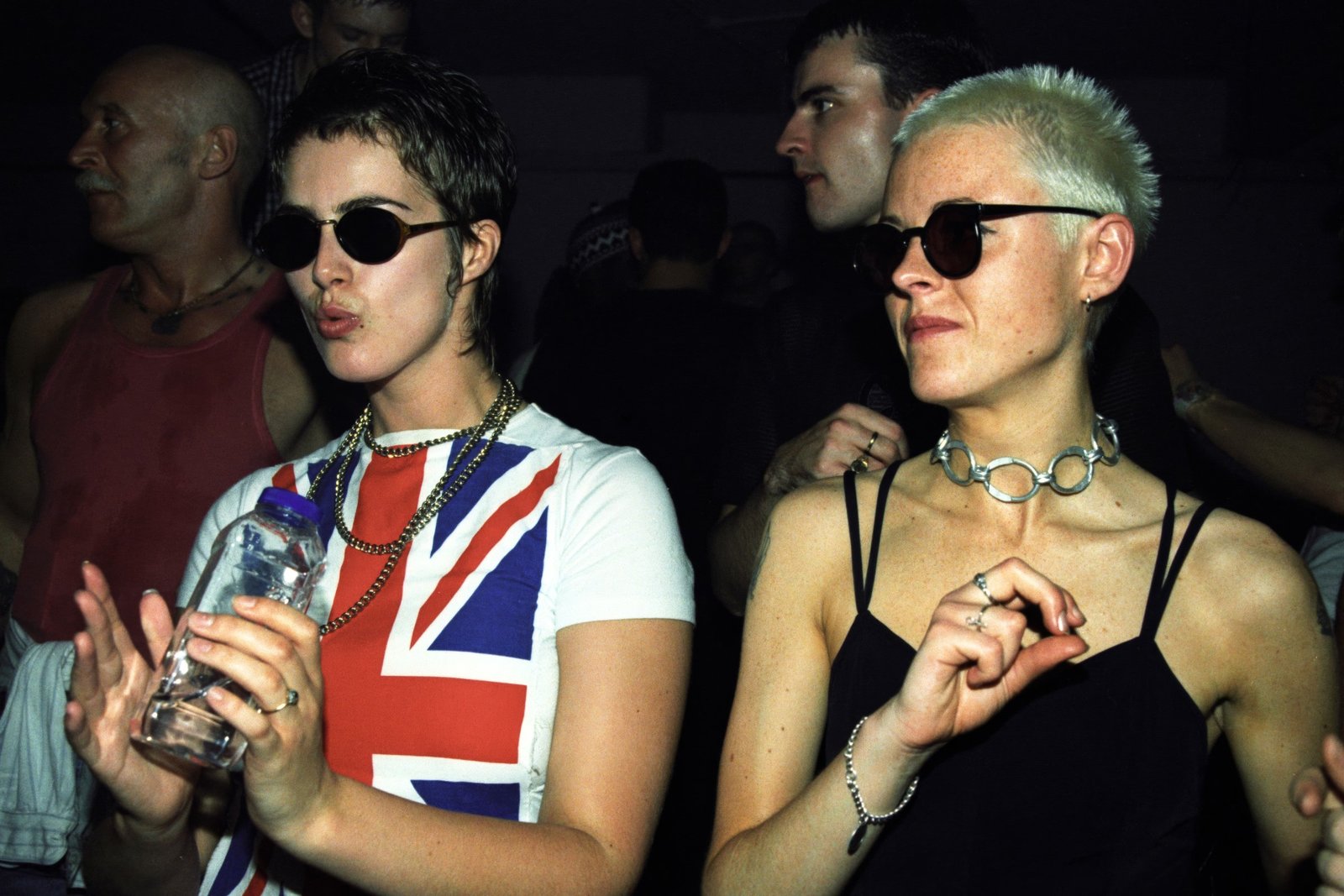
90s At Tate Britain: British Vogue’s former editor-in-chief transforms the decade of rebellion into a sweeping museum retrospective.
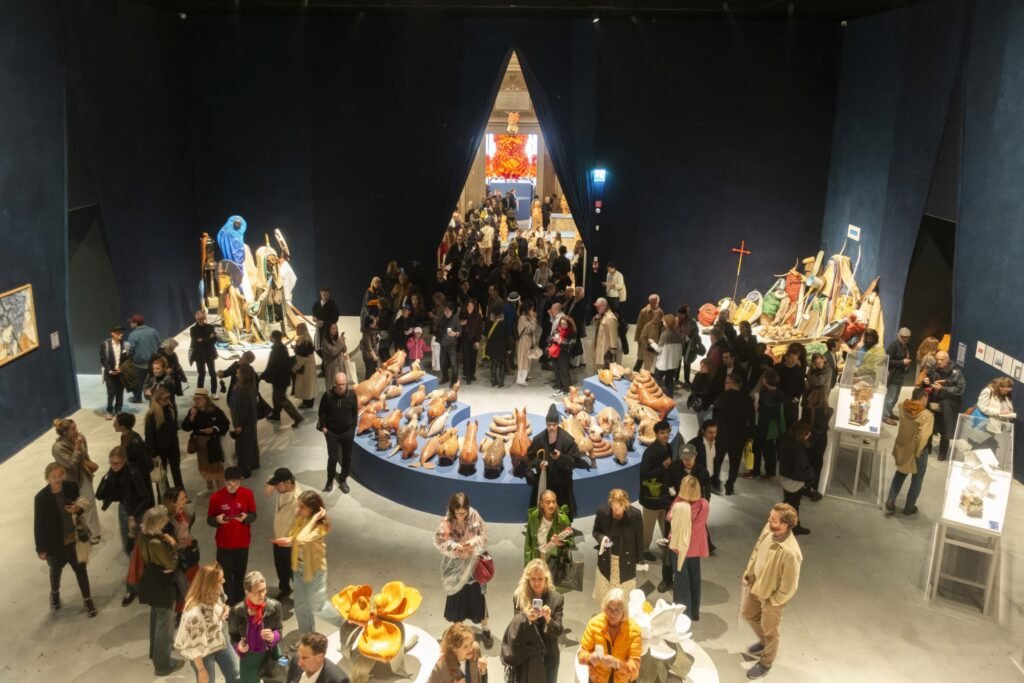
The 90s at Tate Britain, curated by Edward Enninful, positions the decade as more than a nostalgic flashpoint. As architect of British Vogue’s cultural renaissance, Enninful has stepped into the gallery world with a vision that reframes the 1990s as ‘a new dawn of optimism, freedom and rebellion,’ examining the creative abundance that poured out of fashion during those ten years. It’s a move that signals how fashion institutions are increasingly borrowing editorial sensibilities to shape how we experience design history.
The show threads together the work of designers who defined the era’s iconoclasm: Vivienne Westwood’s anarchic silhouettes, Alexander McQueen’s gothic maximalism, and Hussein Chalayan’s conceptual rigor all feature prominently. But Enninful’s curation extends beyond the runway. Photography by Corinne Day and David Sims anchors the exhibition in the visual language that made the 90s feel like a break from the polished excess of the decade before. These weren’t just clothes; they were evidence of a cultural moment when fashion could still feel genuinely dangerous.
What makes Enninful’s appointment to this role significant is the timing and the person. He arrives as a bridge between the commercial world of magazine publishing and the scholarly rigor of museum curation. At British Vogue, Enninful expanded the publication’s cultural remit far beyond fashion coverage, making space for reporting on politics, identity, and social movements. That sensibility clearly informs how Tate Britain is framing the 90s, not as a style period to be aestheticized but as a moment when fashion became a vehicle for genuine cultural expression and resistance.
The exhibition’s scope reveals something often overlooked in 90s nostalgia cycles: the decade wasn’t monolithic. The forces that shaped fashion during this time were varied and complex. Grunge emerged from Seattle’s music scene and became a design philosophy. The rise of supermodels coincided with new anxieties about bodies and beauty. British fashion gained international credibility after years of being dismissed as provincial. Meanwhile, designers from outside the traditional fashion capitals began challenging the hegemony of Paris and Milan. Enninful’s curation presumably holds these threads together rather than letting them tangle into simplistic generational mythology.
What often gets lost in broader retrospectives of 90s fashion is how much of it was born from genuine economic and social precarity. McQueen designed some of his most celebrated pieces while working out of a tiny studio with minimal resources. Westwood had been fighting the British establishment since the 1970s. Chalayan was navigating being a Turkish Cypriot designer in London during a period when fashion was still largely a Western European industry. The 90s didn’t just feel rebellious; for many of these creators, rebellion was the only option available. A show that centers this reality rather than just celebrating the visual output becomes something closer to a proper history.
Tate Britain’s decision to bring Enninful in signals a broader institutional shift in how museums approach fashion exhibitions. Rather than treating fashion history as a technical or commercial endeavor, institutions are investing in curatorial voices shaped by fashion media and culture. This isn’t a trivial distinction. An exhibition framed by a fashion insider will ask different questions and reveal different dimensions than one shaped purely by art historical tradition. The risk, of course, is that it becomes too insular, too focused on industry narratives. Whether Enninful’s 90s show navigates that balance will matter for how fashion exhibitions evolve going forward.
The exhibition is now open at Tate Britain, making this the moment to assess whether a decade that shaped contemporary fashion culture can sustain serious institutional attention without collapsing into pure heritage marketing. Enninful’s curation of the 90s at Tate Britain suggests that when fashion history is approached through the lens of an insider who understands both commercial and curatorial stakes, the results can transcend nostalgia and become genuine historical inquiry.