Powerhouse Parramatta: Australia’s largest cultural infrastructure project since the Opera House debuts on the Parramatta River this weekend, free to the public and anchored by a NASA Moon rock and Leonardo da Vinci’s flying machines.
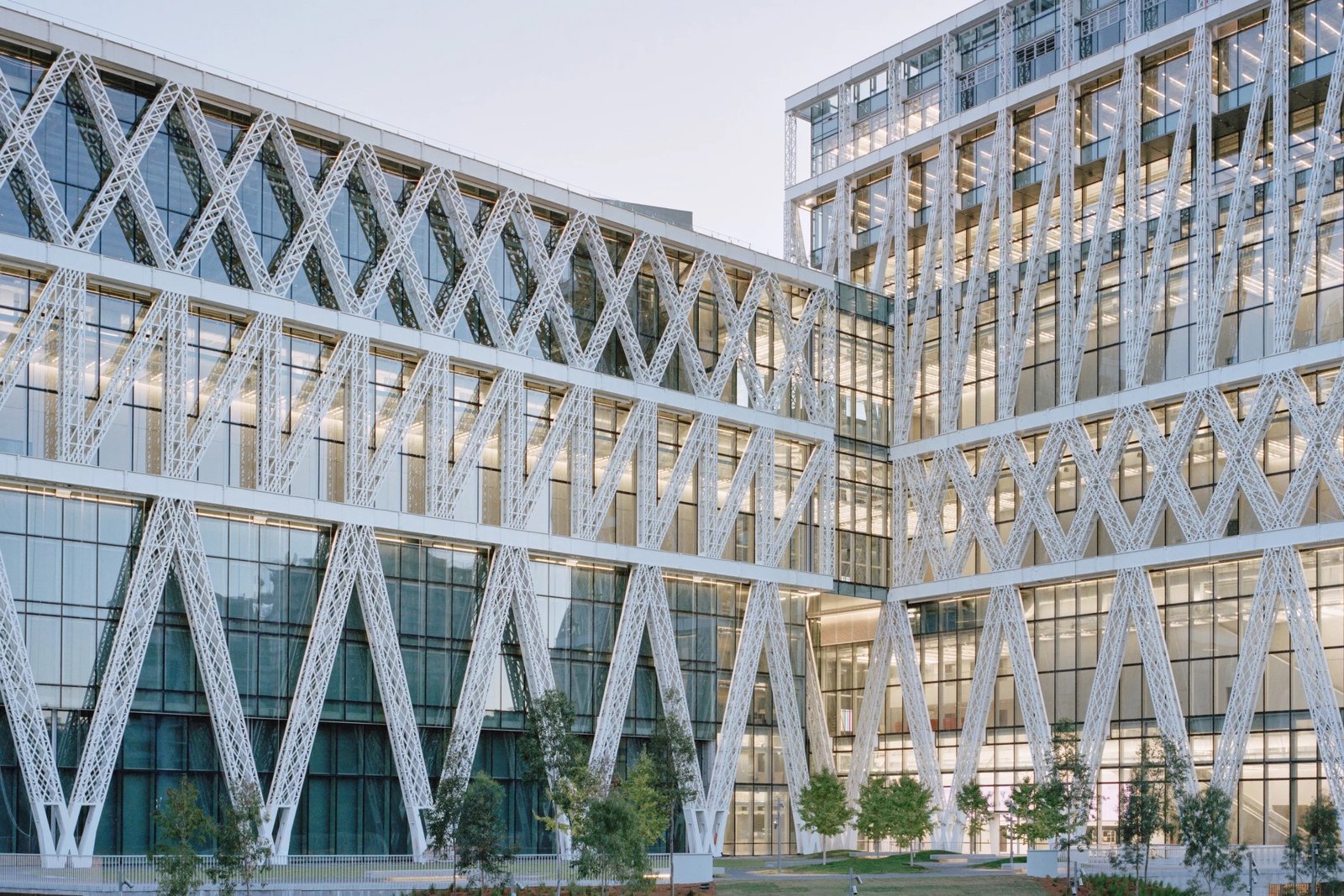
On Saturday, November 7, a museum the size of a city block opens its doors on the Parramatta River. Powerhouse Parramatta, a $915 million institution designed by Franco-Japanese architects Moreau Kusunoki with Australian firm Genton, represents the first state-funded cultural venue ever built in Western Sydney. According to the NSW Government, it is the largest cultural infrastructure project Australia has undertaken since the Sydney Opera House opened in 1973. The ambition here is not small: five inaugural exhibitions, a 23-day opening festival of talks, workshops, music, and performances, and more than 3,000 objects spread across seven expansive zones, nearly 22,000 people already registered to attend opening events according to The Guardian.
The journey to this Saturday has been longer than originally planned. The project was first announced in 2019, construction began in 2022, and an initial opening was targeted for 2025. The main building was completed earlier this year, finally allowing Powerhouse to set November 7, 2026, as the official opening date. What emerges is a building designed to flex architectural muscle at a scale rarely seen outside the CBD. The centerpiece is an 18-meter-high, roughly 2,000-square-meter column-free exhibition space on the ground level, one of the largest of its kind in the country. This alone signals intent: Powerhouse is not designed for modest ambitions.
Powerhouse Parramatta’s Task Eternal: The Largest Space Exhibition in Australia
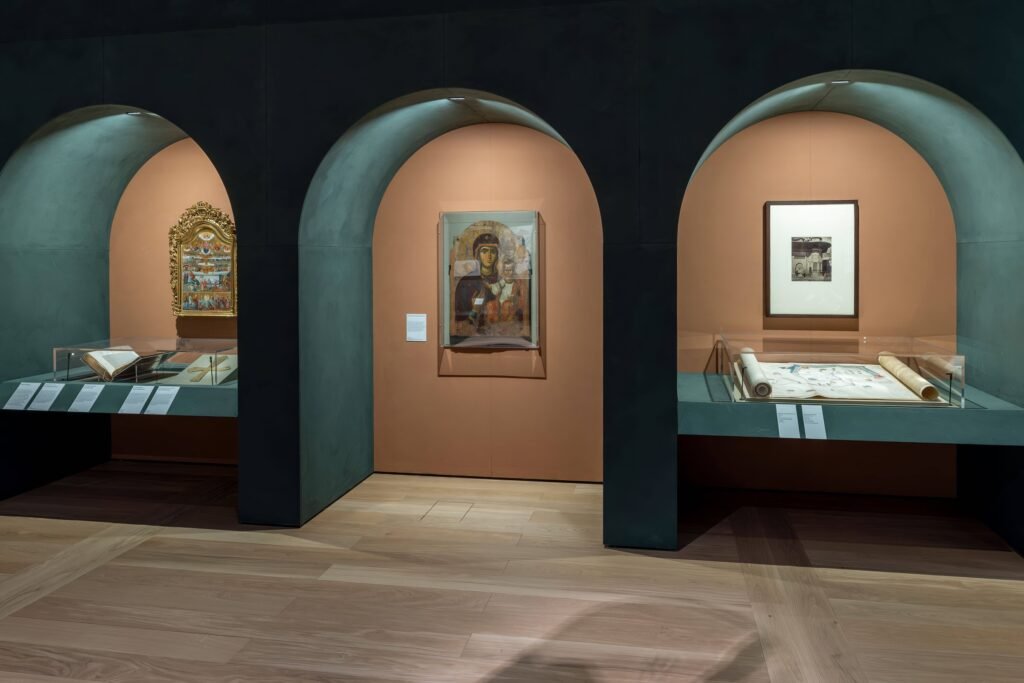
The inaugural exhibition sprawling across that massive ground-floor void is called Task Eternal, and it traces humanity’s obsession with leaving the ground across four acts: Skyward, Power, Off-Earth, and The Return. Designed by OPEN Architecture, the exhibition assembles more than 850 objects pulled from institutions worldwide. Among them: a NASA Moon rock, original flying-machine drawings by Leonardo da Vinci, and the historic Qantas Avro 504k aircraft. According to ABC News, Task Eternal is the largest exhibition about space exploration Australia has ever mounted. This is not a museum trying to blend in. It is announcing itself.
On Level 2, two exhibitions occupy parallel but distinct territories of contemporary life. The Sir William Tyree Foundation Gallery hosts The Mall, an exhibition developed with architecture firm OMA*AMO that examines the social and cultural life of shopping malls through five architectural volumes: Arcade, Desire, Transaction, Ideal City, and Forum. The Neilson Foundation Gallery, meanwhile, presents The Dark, an exhibition specifically designed for children that reframes darkness as a place of wonder and adventure rather than fear. Level 3 introduces Overflow, a First Nations exhibition whose full scope extends across the museum’s program. These are not token gestures toward curatorial breadth. Powerhouse CEO Lisa Havilah described the museum as “built for the future, where local knowledge meets global perspectives.”
Western Sydney Gets Its Cultural Institution
What makes Powerhouse significant extends beyond architecture or exhibition design. Western Sydney, one of Australia’s fastest-growing regions, has never had a state cultural institution. Parramatta itself, one of Australia’s oldest inland European settlements and a major commercial center, has been culturally and institutionally underserved relative to its scale and population. This opening reshapes that geography. NSW Arts Minister John Graham framed the moment explicitly: “The opening will be a big moment for culture in Western Sydney.” He also made clear the museum will be free to enter, a detail that matters enormously in a region experiencing cost-of-living pressure. Graham compared the opening to the Opera House opening, noting that while both projects were controversial in their construction phases, public reaction shifted once the doors opened.
The first five exhibitions will draw from more than 3,000 objects total. More than 1,600 come from the Powerhouse’s own collection, part of the largest museum network in Australia, which operates multiple venues dedicated to arts, design, science, and technology. The remaining objects have been sourced from collections around the world. This is a genuinely international curatorial effort, not a regional museum playing at cosmopolitanism.
The Precinct, the Drama, and What Happens Next
Powerhouse Parramatta is not opening in isolation. It sits within a larger urban development scheme that includes the Parramatta Metro Station, currently under construction as part of the Sydney Metro West underground expansion. The architectural plan integrates four additional buildings: a 43-story build-to-rent residential tower with 470 apartments, a 29-story commercial tower, a 24-story building with 500 student accommodation units, and an eight-story hotel. The design details remain subject to further planning approvals, with final proposals heading to public exhibition for community feedback. This is not a museum dropped into a neighborhood. It is a catalyst for urban transformation.
The run-up to opening has not been without turbulence. According to ArchDaily, the museum has faced financial and administrative scrutiny, public criticism over limited community participation opportunities, changes in leadership, and controversy around the hiring of prominent external consultants. Supporters defend the cultural shift the institution can bring to Greater Western Sydney and to Parramatta specifically. The building itself, designed to match premier contemporary cultural venues globally, is meant to signal that Western Sydney is no longer an afterthought in Australia’s cultural infrastructure map. On November 7, that signal goes live.