Frieze Abu Dhabi: London’s dominant art fair brand launches its eighth global edition in the Gulf with 89 exhibitors spanning contemporary work, historical artifacts, and regional artists reshaping the emirate’s cultural capital.
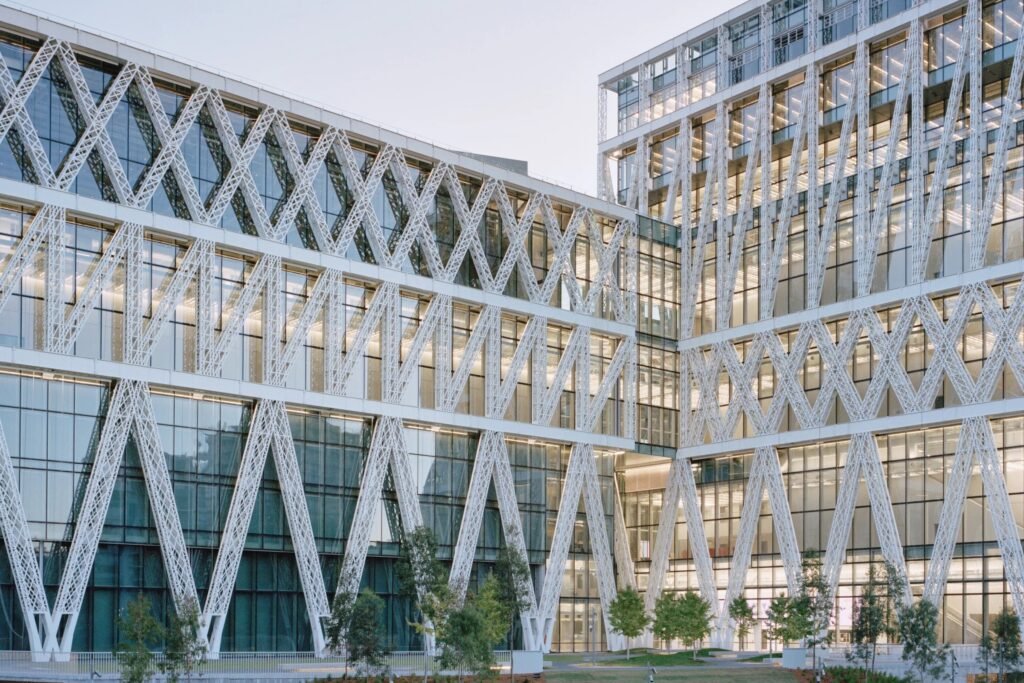
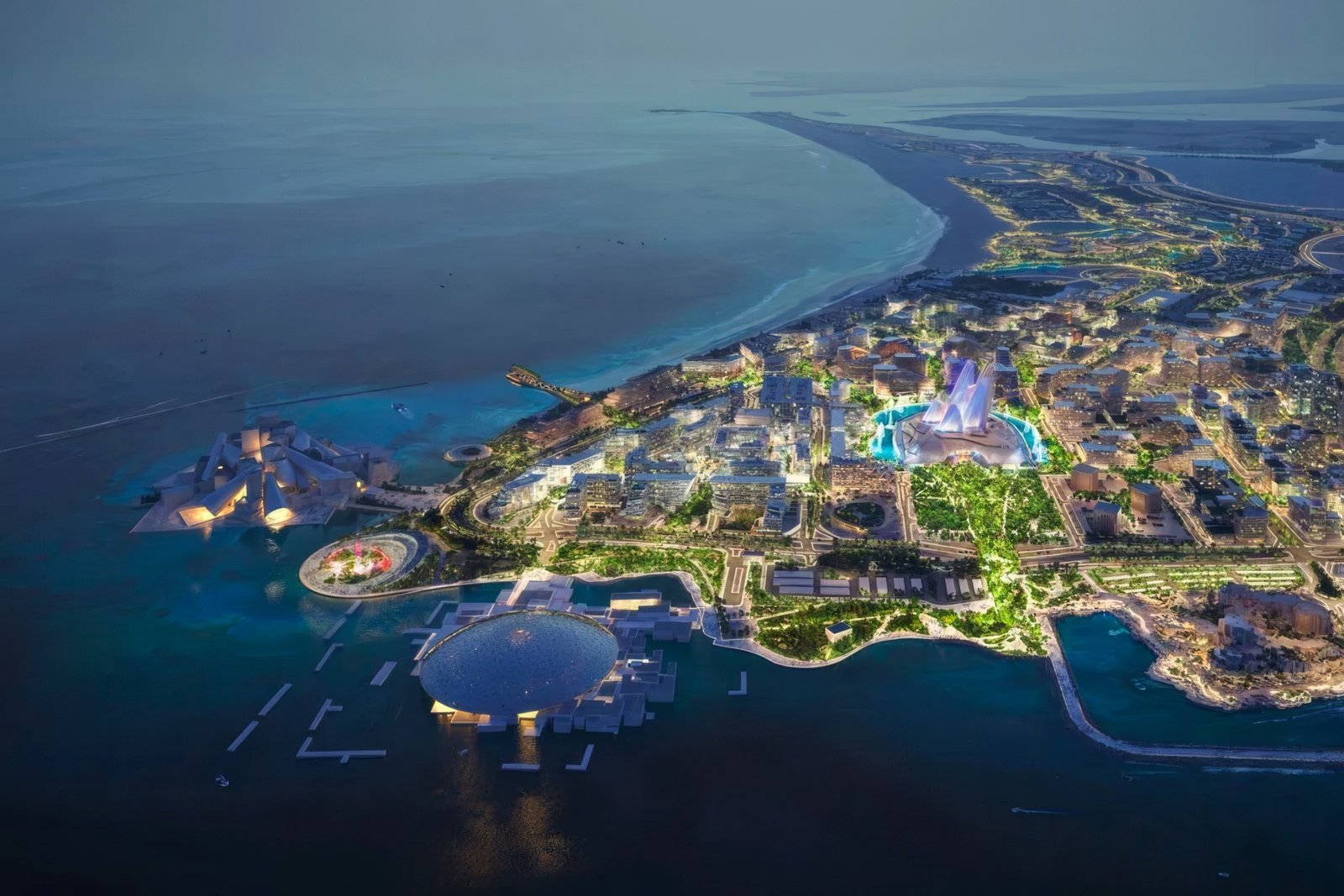
Frieze, the London-based art fair empire that operates seven global editions, is making its most significant regional expansion yet. The company announced that Frieze Abu Dhabi will debut November 19 through 22, 2026, at Manarat Al Saadiyat in the emirate’s Saadiyat Cultural District, officially succeeding Abu Dhabi Art, which has anchored the region’s collecting calendar since 2007.
The arrival marks a strategic pivot: the Department of Culture and Tourism, Abu Dhabi (DCT Abu Dhabi), which currently runs Abu Dhabi Art, will hand operational control to Frieze starting 2026, following one final edition of its 17-year-old fair this year. Mohamed Khalifa Al Mubarak, chairman of DCT Abu Dhabi, framed the shift as a natural progression. “The launch of Frieze Abu Dhabi is a natural evolution of that journey,” he said in a statement. “It is rooted in the achievements of Abu Dhabi Art and will carry them onto the global stage, reinforcing the emirate’s position as a cultural capital while offering Frieze a unique gateway to the region.”
The inaugural edition will assemble 89 exhibitors from 37 countries and regions, organized across four distinct sections. The main Galleries section features more than 60 galleries presenting work from the mid-20th century forward, centering regional art histories alongside international practices. Presentations include pioneering Arab artists and contemporary figures exploring identity, social change, and cultural memory, with particular emphasis on emerging voices from the UAE itself.
Frieze Abu Dhabi Arrives With Dala Nasser and Focus on Emerging Vision
Frieze’s Focus section spotlights younger galleries through experimental solo presentations, with particular attention to Dala Nasser, who will receive the inaugural Frieze Abu Dhabi Artist Award. Nasser’s practice incorporates rubbings of ruins, tombs, and rock surfaces across Western Asia, rendered in ash and natural pigments. The artist’s work interrogates the relationship between landscape, history, and memory, bridging archaeological inquiry with contemporary artistic method. Commonwealth and Council will present Nasser’s work as part of the fair’s curatorial vision.
Beyond the main fair, Frieze Sculpture Abu Dhabi, presented by Aldar, will extend the inaugural program across Saadiyat Island. Five large-scale public artworks will activate Mamsha Beach from November 16 through December 16, complementing a three-day talks program. A new commission by Nasser will also premiere during the fair’s run, underscoring the artist’s centrality to Frieze’s introduction to the Gulf market.
Frieze Masters Abu Dhabi: Rare Objects and the Indian Ocean Trade Route
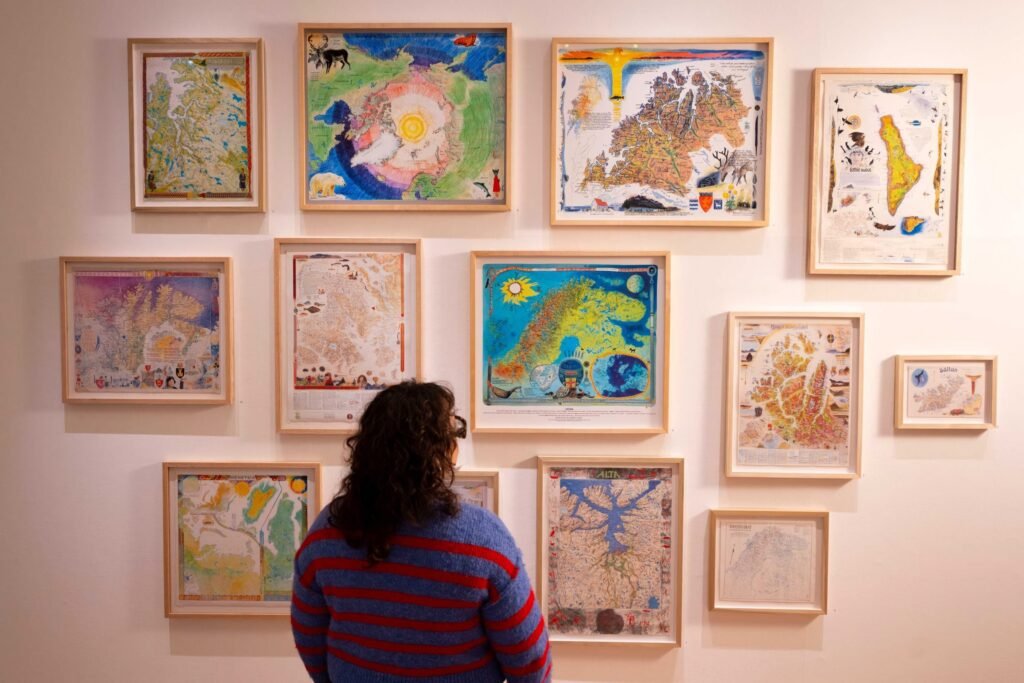
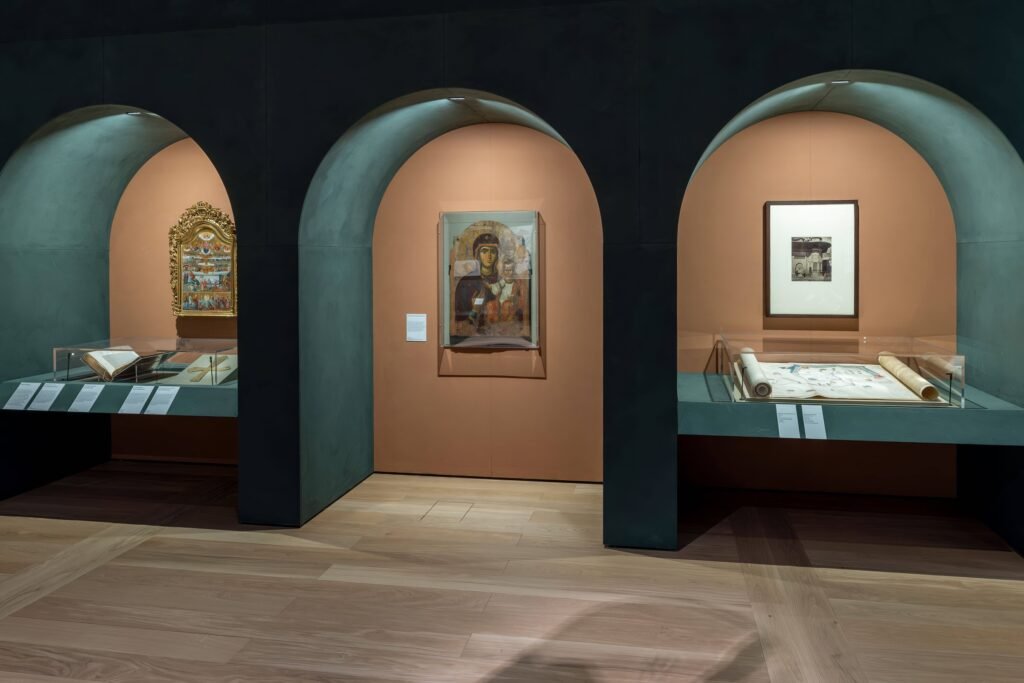
Frieze Masters Abu Dhabi, curated by Marika Sardar, reconstructs the Indian Ocean as a historic center of cultural and commercial exchange. The section will feature rare books, manuscripts, maps, and artifacts tracing the movement of people, objects, and knowledge between West Asia, East Africa, and South Asia. Among the most significant presentations is Portrait L, a first-century painted portrait that will be exhibited in the Middle East for the first time since it left Egypt in 1888. The work’s return marks a rare curatorial intervention, reconnecting a historical object with its regional context after nearly 140 years abroad.
Global Futures and the Expansion of Frieze’s Market Position
Global Futures, curated by Tarini Malik, brings together eight solo presentations exploring connections across generations and geographies. The artists featured will examine themes of place, identity, and memory through works grounded in their cultural backgrounds and lived experiences, creating dialogue between established and emerging practices.
The launch arrives at a pivotal moment for Frieze’s ownership structure. Earlier this week, the fair company was acquired by Mari, a newly formed investment vehicle founded by entertainment mogul Ari Emanuel. The deal closed with $2 billion in equity backing from Apollo, RedBird Capital Partners, and Qatar Investment. A statement accompanying the Abu Dhabi announcement positioned Frieze Abu Dhabi as “the first major initiative under Frieze’s new ownership,” reflecting the company’s ambition to embed itself across the Gulf’s expanding collector ecosystem.
The timing also reflects intensifying competition among international fair operators for Gulf market share. Art Basel announced this past May that it would launch a fair in Doha, Qatar, with 87 exhibitors and an overarching curatorial theme. Frieze’s Gulf entry thus represents not simply an expansion but a staking of claim in a region that has become central to global contemporary art commerce and institutional development. With major institutions including the Louvre Abu Dhabi (opened 2016) and NYU Abu Dhabi Art Gallery (opened 2014) anchoring the emirate’s cultural infrastructure, Frieze Abu Dhabi enters a landscape already positioned as a serious alternative to the traditional art fair capitals of Europe and North America.