Vanessa Bell Duncan Grant Exhibition: Opening November 12, a major retrospective of 250 works finally centers the modernist duo’s 50-year creative partnership and their radical influence on twentieth-century British culture.
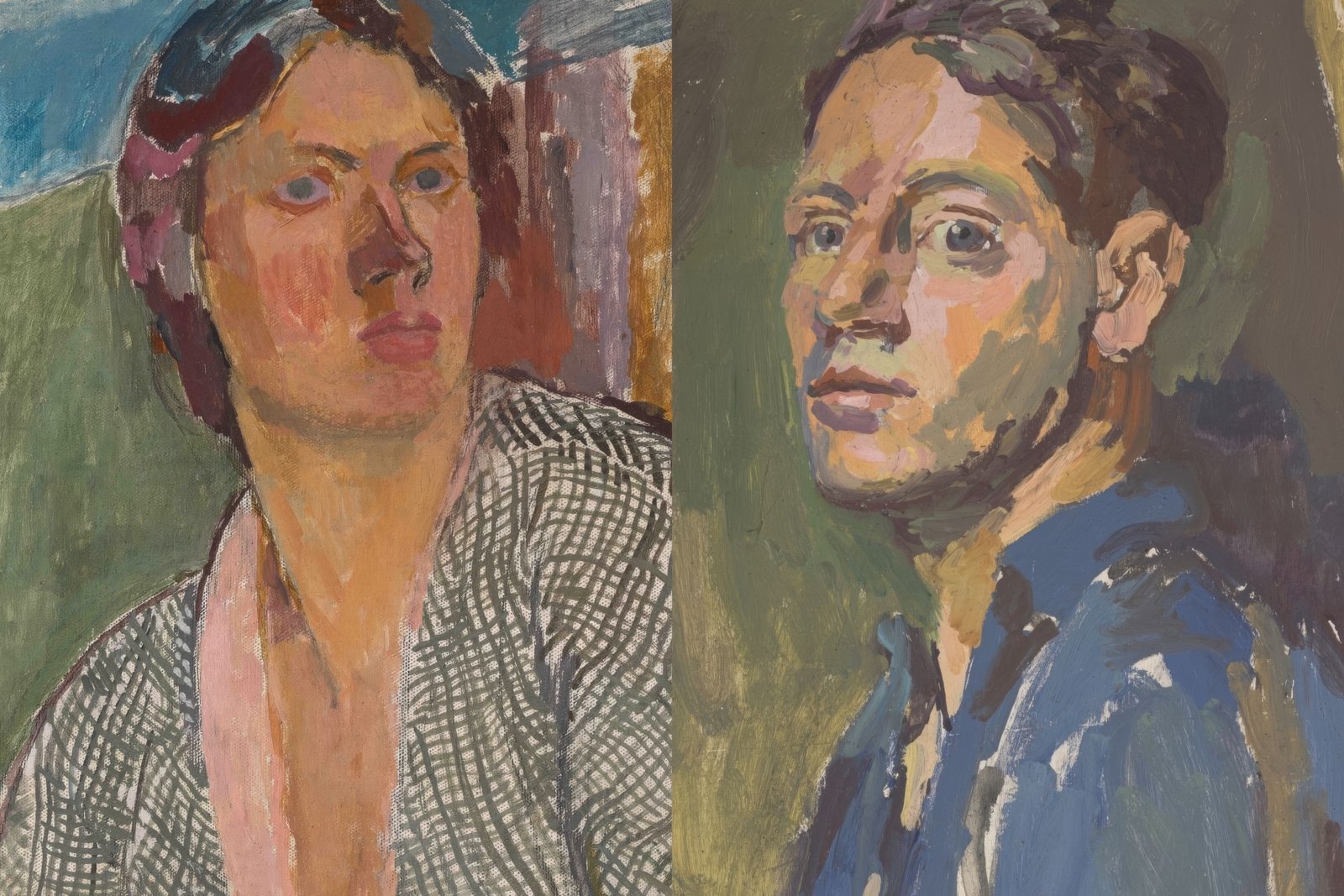
The Vanessa Bell & Duncan Grant exhibition opens at Tate Britain on November 12, treating the two Bloomsbury artists not as parallel figures but as the genuine creative partners they were. With over 250 works spanning paintings, ceramics, textiles, furniture, and decorative objects, the show finally gives their partnership the sustained institutional attention it deserves.
What makes this exhibition particularly compelling is how it refuses the tired hagiography that typically surrounds Bloomsbury. Yes, Bell and Grant were at the center of the group that fundamentally rewired how Britain thought about art, literature, and the freedom to live unconventionally. But the exhibition goes deeper than cultural mythology. It traces the actual mechanics of their influence, showing how their commitment to radical experimentation translated into concrete aesthetic innovation. The vivid portraits, still lifes, and landscape paintings on view demonstrate artists working at the highest technical level while simultaneously pushing against every institutional boundary that mattered in early twentieth-century Britain.
The physical centerpiece of the exhibition announces itself as unmissable: a complete restaging of Duncan Grant’s studio, relocated from their Sussex home, Charleston, specifically for the show. This isn’t a museum display pretending at authenticity. It’s a full-scale reconstruction that lets you stand in the actual working space where they created, surrounded by the tools, references, and visual chaos that defined their daily practice. The decision to move an entire studio from Charleston to London elevates this beyond a typical retrospective gesture. It’s an act of institutional commitment that treats their workspace as a work of art in itself.
Vanessa Bell & Duncan Grant’s Reach Into British Modernism
What the 250-work count really means becomes clear only when you consider what it includes. This isn’t a show that separates “serious” fine art from the decorative work Bell and Grant also pursued. Furniture, ceramics, textiles, and functional objects sit alongside paintings in the exhibition, which fundamentally reframes how we should think about their contribution. In the early twentieth century, this kind of boundary crossing between high art and applied design wasn’t accidental or apologetic. It was ideological. Bell and Grant didn’t treat decoration as a lesser concern or a commercial sidebar to their “real” work. They understood these objects as extensions of the same modernist vision that animated their canvas work.
This matters because it changes how you read their influence on British modernism. Their reach extended into homes, into the domestic sphere, into the actual texture of how people lived. The Bloomsbury Group’s commitment to freedom and radical experimentation wasn’t just a matter of what they said or painted. It was embedded in the objects they made and the spaces they designed. The ceramics, the textiles, the decorated furniture all carried that ideology forward into ordinary life, which is why their cultural impact ran deeper than the London art establishment alone.
Bloomsbury as Lived Practice
The exhibition’s subtitle, “Inside Bloomsbury,” signals that this isn’t a show about the Bloomsbury Group as an abstract historical concept. It’s an examination of what the group’s ideals actually looked like when two artists tried to live them out across a 50-year creative partnership. That’s a much harder, more specific story than the usual mythology allows. Living by principles of radical freedom and experimentation looks different in practice than it does in theory, and the exhibition seems interested in that gap.
By opening in November 2026, Tate Britain positions the Vanessa Bell & Duncan Grant exhibition as a pivotal moment in how we understand modernism’s relationship to domestic life and radical ideology. The show argues that their 50-year partnership wasn’t merely an artistic collaboration but a lived experiment in freedom, one that extended from the canvas into ceramics, textiles, and the very spaces people inhabited. This is the Bloomsbury reckoning we’ve been waiting for.