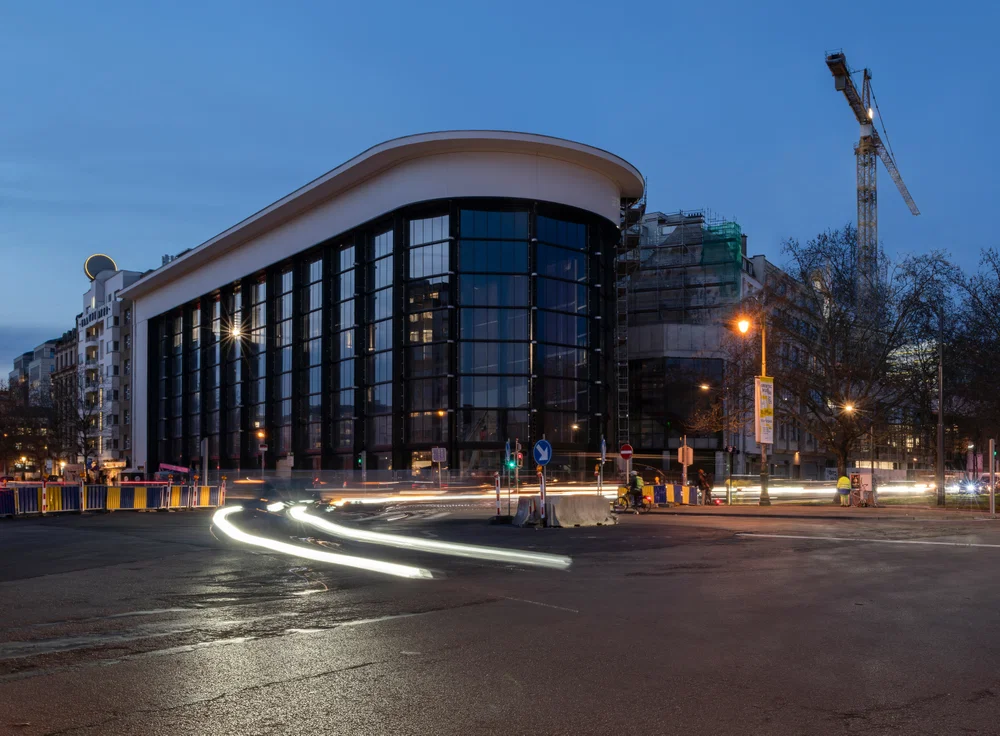

Costantino Nivola Retrospective: Two hundred works by the Sardinian-American sculptor and designer who bridged postwar Italy and Manhattan will open at Milan’s Triennale on November 11.
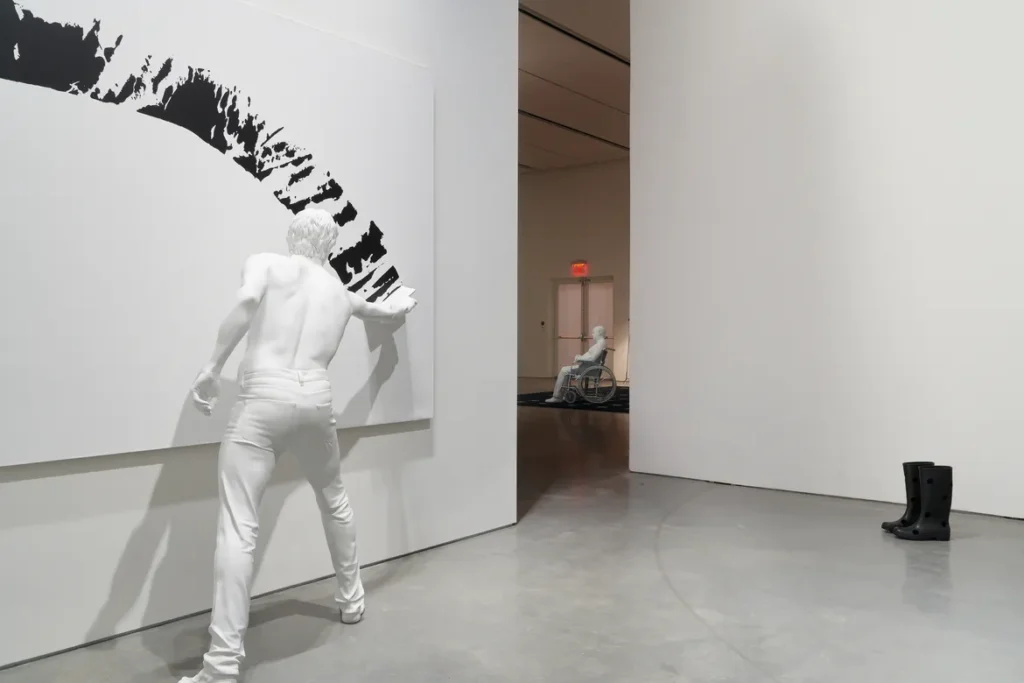
Costantino Nivola’s retrospective at Triennale Milano finally assembles the definitive account of a modernist who spent his career caught between two continents, designing corporate interiors for Olivetti in Italy while simultaneously becoming a fixture of the New York avant-garde. Now, nearly three decades after his death in 1988, the Triennale Milano is mounting this comprehensive Italian retrospective. Opening November 11, the exhibition assembles roughly two hundred pieces spanning sculpture, design, architecture, and photography, a scale that finally allows the full scope of his transatlantic influence to emerge in a single narrative.
Nivola’s path was shaped by displacement and reinvention. Born in Sardinia in 1911, he trained as an architect and designer before the chaos of World War II pushed him to New York, where he eventually became a trusted collaborator for modernist architects and a sculptor of monumental public works. His connection to Olivetti, the typewriter company that functioned as Italy’s aesthetic conscience in the postwar years, positioned him as a bridge between European functionalism and American abstract expressionism. The Triennale show leans into this duality, using works created for corporate clients alongside gallery pieces and architectural installations to chart how the same sensibility could operate across vastly different scales and purposes.
What makes the Costantino Nivola retrospective significant is not simply that it’s happening, but that it’s correcting a persistent gap in how modernist design history has been told. Nivola never achieved the household-name status of his contemporaries, in part because his work resisted easy categorization and partly because the market had already sorted designers into national camps, Italian or American, not both. The exhibition positions this retrospective as essential revisionism in modernist design scholarship.