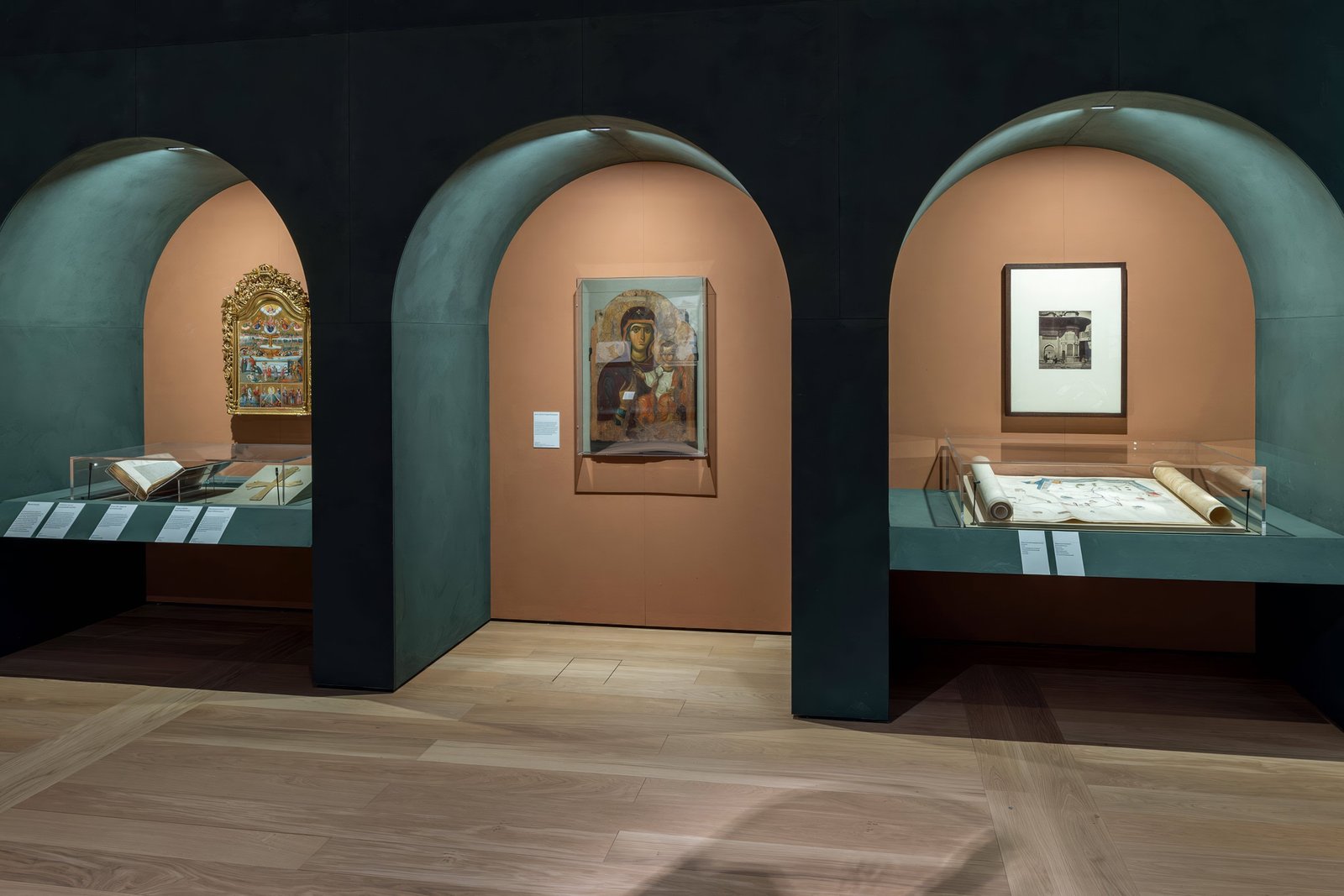
Constantinople To Istanbul Exhibition: On November 7, the V&A presents a UK-first survey spanning art, design, and architecture from history’s most creatively restless capital.
The V&A’s Constantinople to Istanbul exhibition, opening November 7, presents one of the year’s most ambitious historical surveys on its South Kensington walls: a 1,600-year journey through the artistic legacies of Constantinople and Istanbul, told through Byzantine and Ottoman treasures. This isn’t a typical empire-versus-empire narrative. Instead, the exhibition positions the city itself as the protagonist, examining how the same place produced radically different artistic vocabularies across two dominant empires.
The show runs through May 9, 2027, and admission is £22, with concessions available. According to the exhibition details, it assembles “remarkable works of art, design, and architecture to reflect on the enduring creative legacies” of these two historical periods. That scale of ambition justifies itself in the specifics: the sources confirm the exhibition will showcase hundreds of relics from Istanbul’s past, drawn from centuries of cultural production when the city was simultaneously a seat of power and a hub of aesthetic innovation.
Constantinople to Istanbul: Byzantine Splendor and Ottoman Refinement Under One Roof
What makes this exhibition notable isn’t the objects themselves but the framing. Rather than treating Byzantine and Ottoman periods as sequential or opposing forces, the V&A is staging them as chapters in a continuous story of a single city’s creative output. The watercolour “The Sultan riding out in procession to Friday Prayers,” created by an anonymous Greek artist around 1809 and now held in Istanbul, Turkey, appears in the exhibition materials. This single work encapsulates the kind of cultural mixing the show emphasizes: a Greek artist documenting Ottoman royal ceremony, a visual record of how artistic agency and cultural identity operated in a cosmopolitan, multilayered urban environment.
The distinction between what these empires valued aesthetically is stark. Byzantine artistic production centered on religious iconography, liturgical objects, architectural grandeur tied to the Orthodox Church, and the symbolic language of imperial power expressed through mosaics, frescoes, and decorated manuscripts. Ottoman aesthetics, by contrast, developed around calligraphy, intricate carpet-weaving, ceramic arts that rejected figurative representation, architectural innovation in mosque design, and decorative traditions rooted in Islamic aesthetic principles. The exhibition’s central thesis appears to be that both modes coexisted and influenced each other within the same geography, creating a palimpsest of visual culture.
Why This City, Why Now
Istanbul remains one of the world’s most contested spaces architecturally and culturally. The physical presence of Byzantine churches converted into Ottoman mosques, minarets rising beside domes, archaeological layers visible in the urban fabric itself, makes the city an ideal subject for a museum exhibition that asks: what does it mean for a place to contain and survive multiple empires? The V&A’s decision to dedicate an entire major exhibition to this single city signals a curatorial shift toward treating cities themselves as historical subjects worthy of sustained aesthetic attention, rather than merely as backdrops for collecting individual objects.
The exhibition arrives at a moment when Western museums are reconsidering how they narrate empires and cultural dominance. Rather than presenting this as a story of conquest and replacement, the structure invites visitors to trace the continuities and ruptures across 1,600 years of artistic practice in one location. The sources describe this as examining “artistry across more than a millennium,” emphasizing creative output over political chronology.
Located at the V&A’s flagship South Kensington address on Cromwell Road, the exhibition is positioned as a UK-first, meaning these particular objects and this particular narrative haven’t been assembled in British museums before. The specificity matters: this isn’t a traveling show recycled from another institution but a new curatorial undertaking developed for London audiences. Concessions are available, making the £22 general admission price somewhat flexible for students and pensioners, though entry remains a paid experience in an era when major museums are increasingly experimenting with free or pay-what-you-wish models.
Located at the V&A’s flagship South Kensington address on Cromwell Road, the Constantinople to Istanbul exhibition is positioned as a UK-first, meaning these particular objects and this particular narrative haven’t been assembled in British museums before. The specificity matters: this isn’t a traveling show recycled from another institution but a distinctly curated meditation on how a single city can contain and survive multiple empires, told through centuries of artistic production.