Nan Goldin Hayward Gallery: The photographer whose activism reshaped opioid litigation returns to London with four films and photographs that examine addiction, animal consciousness, and the fragility of the world.
When Nan Goldin opens at the Hayward Gallery on November 24, 2026, it will be her first institutional exhibition in the UK since 2002, a quarter-century gap that underscores both the photographer’s complicated relationship with institutions and her enduring power to command attention when she does return. This time, she’s bringing work that has evolved well beyond the intimate portraiture that made her name in the 1980s and 90s, though that core commitment to bearing witness remains intact.
The exhibition, running through March 14, 2027, centers on four films and photographs that track Goldin’s longstanding investigation into human relationships while pivoting toward something newer: her fascination with animal consciousness and the natural world. It’s a turn that might surprise those who know her primarily from ‘The Ballad of Sexual Dependency’ and its unflinching documentation of New York’s underground queer and drug scenes. But Goldin has never been static, and this show positions her as someone still evolving, still asking fundamental questions about what it means to witness and be witnessed.
Nan Goldin’s Hayward Gallery Return: The New Work
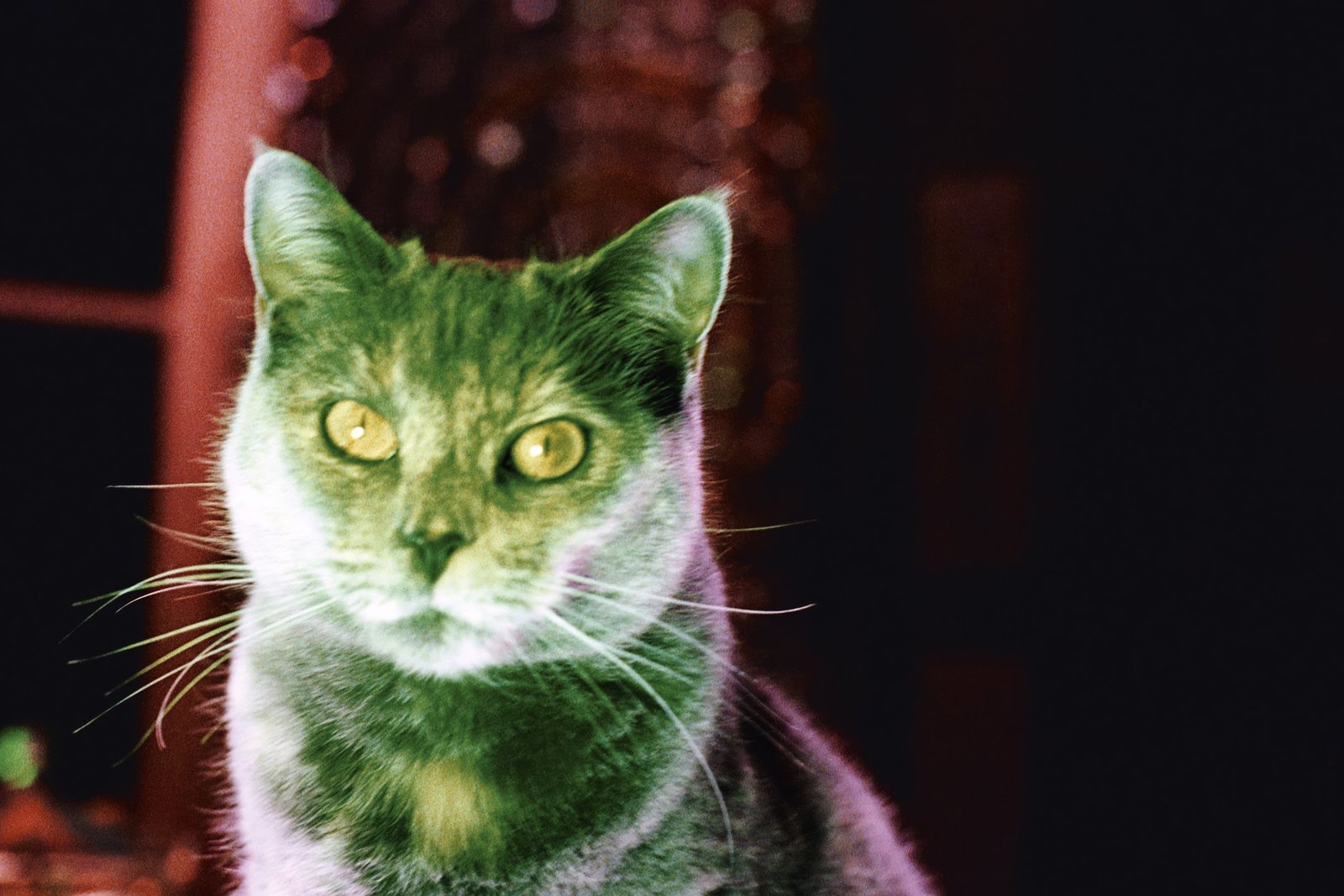
The centerpiece is the newly completed film ‘You Never Did Anything Wrong, Part II’, a work that reworks vintage nature documentaries to interrogate our relationship with other species. It’s a characteristically audacious move from Goldin, taking the language of educational television and remixing it to ask what we owe to the animals we observe and exploit. The title itself carries the ambiguity Goldin has always trafficked in, a phrase that could be addressed to a subject, a lover, or the viewer themselves.
Equally significant is ‘Memory Lost’, described as a deeply personal account of Goldin’s experiences of addiction. This is work that sits at the intersection of her political activism and her autobiographical practice. Over the past decade, Goldin has channeled her own recovery into a fierce campaign against the opioid industry, confronting the Sackler family and the institutions that accepted their money. ‘Memory Lost’ appears to be the artistic counterpart to that activism, a film that refuses to separate the personal from the political, the intimate from the systemic.
The Bigger Institutional Moment
The timing of this exhibition feels deliberate. The Hayward Gallery is positioning itself as the venue for Goldin’s return to institutional visibility in the UK at a moment when her voice carries particular weight. She’s not just a photographer anymore; she’s a crusader, someone whose work has had measurable impact on how the art world addresses its complicity in corporate harm. The Sackler controversy, which erupted publicly around major museums, was partly driven by Goldin’s advocacy. Museums reckoning with their funding sources now do so partly because she made it untenable not to.
Yet the Hayward show doesn’t frame itself as a political exhibition. Instead, it emphasizes Goldin’s core preoccupation: the vulnerability and fragility of the world around us, whether that’s expressed through the chaos of human intimacy or the endangered ecosystems she now documents. The exhibition highlights the artist’s ‘enduring commitment to bearing witness’ to beauty, chaos, and fragility. This language matters because it refuses to separate Goldin the activist from Goldin the artist. For her, bearing witness has always been a political act.
What Gets Overlooked
Most coverage of this show will likely focus on the return of a major artist to a major institution, or on Goldin’s activism against pharmaceutical companies. What tends to get missed is how thoroughly Goldin’s aesthetic vocabulary has changed. The photographs and films here aren’t structured around the confrontational intimacy that defined her earlier work. Instead, they’re asking different questions: about observation versus intrusion, about distance versus proximity, about what we can actually know about another being, human or animal. The shift toward nature and animal consciousness isn’t a departure from her earlier work so much as a logical extension of it, a way of testing the limits of her documentary approach when the subject can’t consent, can’t speak back, can’t refuse the camera.
Most coverage of this show will likely focus on the return of a major artist to a major institution, or on Goldin’s activism against pharmaceutical companies. What tends to get missed is how thoroughly Nan Goldin at Hayward Gallery represents a fundamental shift in her aesthetic vocabulary. The photographs and films here aren’t structured around the confrontational intimacy that defined her earlier work. Instead, they’re asking different questions: about observation versus intrusion, about distance versus proximity, about what we can actually know about another being, whether human or animal.