Returning to the Hayward Gallery after nearly three decades, Kapoor presents an ambitious collection of works that challenge perception, provoke discomfort, and reflect an increasingly violent world.
A Landmark Return to the Hayward Gallery
Nearly 30 years after his first major U.K. retrospective, Anish Kapoor returns to London’s Hayward Gallery with an expansive exhibition that revisits the themes that have defined his career while introducing a darker and more visceral perspective. Running through October, the show brings together both iconic and recent works, offering visitors a comprehensive look at the artist’s evolving practice.
Known for exploring the boundaries between physical form and illusion, Kapoor once again transforms the gallery into an immersive environment where perception is constantly questioned. Throughout the exhibition, visitors encounter works that blur the line between presence and absence, inviting deeper reflection on space, scale, and reality itself.
Monumental Installations Challenge the Senses
Three large-scale installations serve as the centerpiece of the retrospective. One gallery is dominated by a massive inflated PVC membrane stretching from floor to ceiling, creating an overwhelming sense of tension while distorting perceptions of size and space.
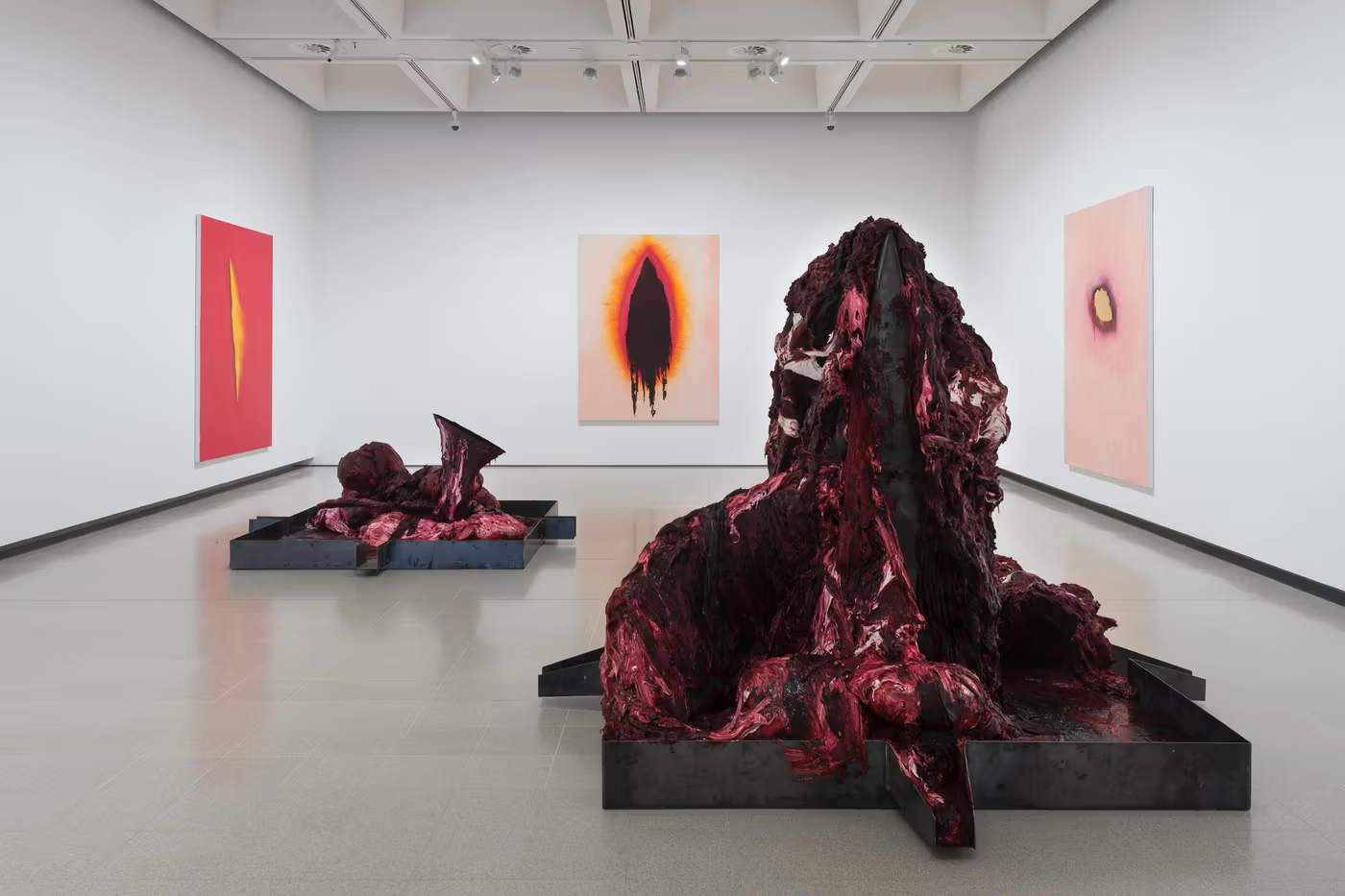
Elsewhere, a towering red structure winds through the gallery like a fleshy landscape, while Kapoor’s monumental “Mount Moriah at the Gate of the Ghetto” appears to suspend itself between collapse and stability. Together, these works create an atmosphere that is both awe-inspiring and deeply unsettling, drawing viewers into experiences that feel simultaneously physical and psychological.
The exhibition also includes Kapoor’s signature reflective sculptures and illusion-based works, continuing his longstanding investigation into how objects can alter the way we see and understand our surroundings.
Exploring Violence, Mortality, and the Human Condition
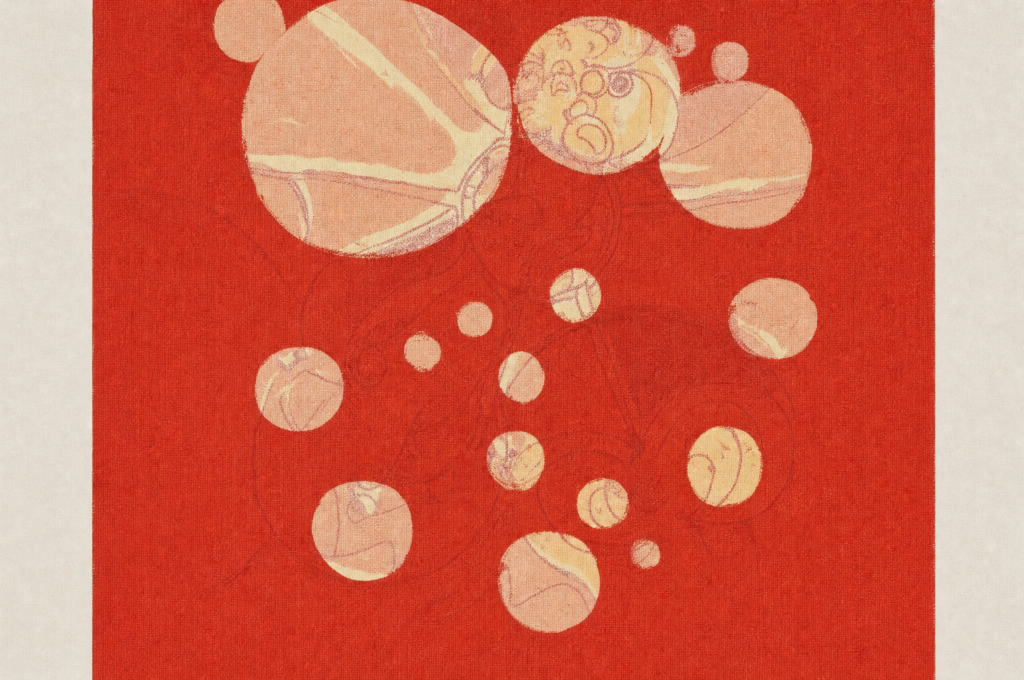
Alongside the installations, the retrospective features paintings and sculptures created over the last decade. Constructed from silicone, resin, pigment, and other materials, many of these works evoke fragmented bodies, exposed organs, and organic forms that feel both familiar and disturbing.
These pieces reflect Kapoor’s engagement with contemporary life and the constant exposure to images of conflict and violence that shape modern consciousness. Rather than offering clear answers, the works invite viewers to confront feelings of vulnerability, mortality, and uncertainty.
As curator Ralph Rugoff notes, the exhibition reveals unexpected connections between the sublime and the grotesque, the spiritual and the physical. The result is a powerful survey of Kapoor’s practice that demonstrates how art can challenge perception while reflecting the complexities of the world around us.