Gagosian Paris presents the first French exhibition dedicated to the late Japanese artist, whose haunting paintings captured the anxieties of life after Japan’s economic collapse.
A Landmark Exhibition For A Cult Japanese Artist
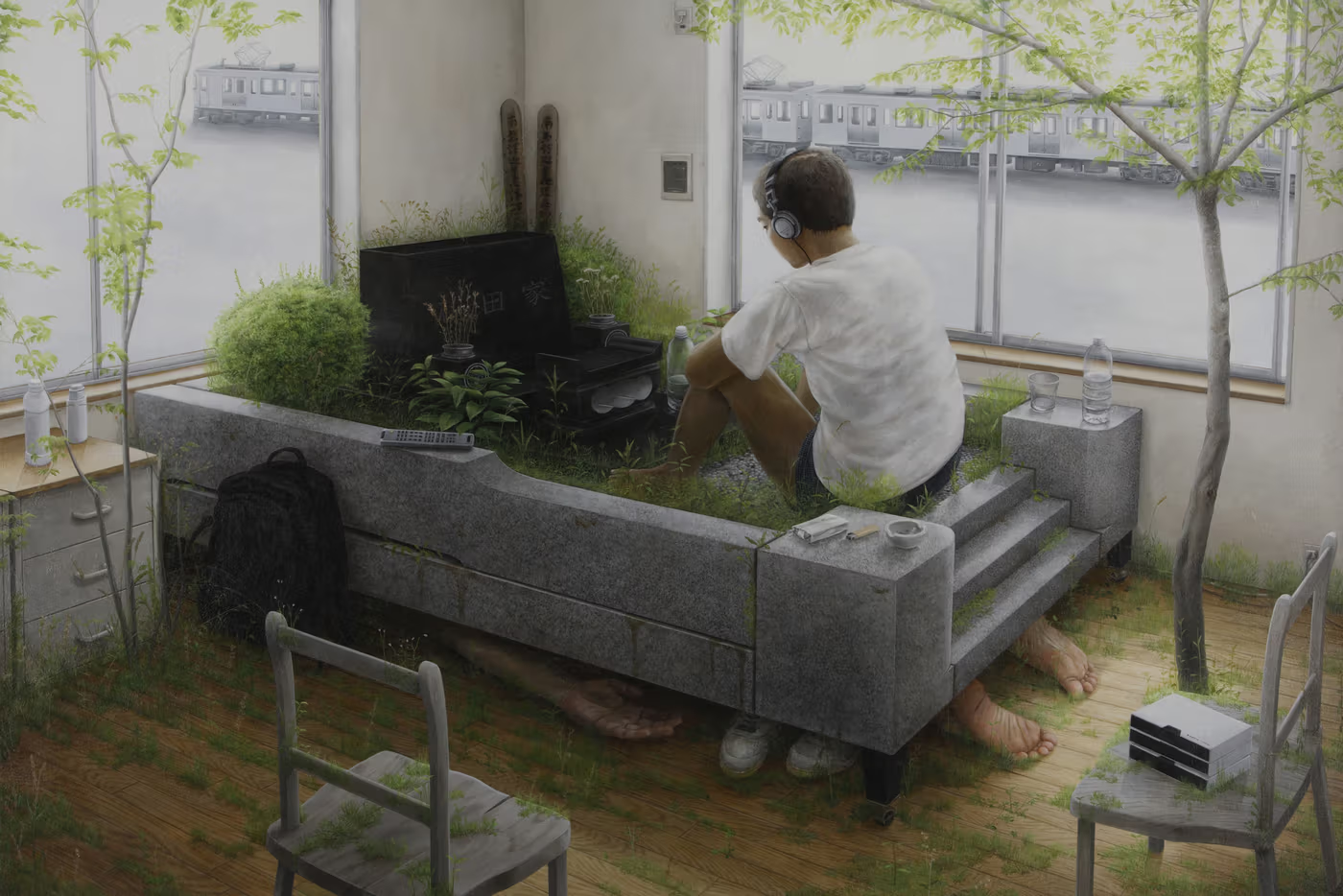
Gagosian Paris will open its first exhibition devoted to Japanese painter Tetsuya Ishida on June 10, introducing French audiences to one of the most distinctive artistic voices of his generation. Though Ishida passed away in 2005 at just 32 years old, his work has continued to gain international recognition for its deeply psychological and emotionally charged imagery.
His paintings emerged from a transformative period in Japan’s history, reflecting the uncertainty and disillusionment experienced by young people during the country’s prolonged economic downturn of the 1990s.
Surreal Paintings Rooted In Everyday Anxiety
Rather than focusing directly on economics, Ishida explored the emotional consequences of a society struggling with fading promises of stability and success. His works frequently depict office workers, students, and young adults trapped in bizarre and unsettling environments that blur the line between reality and nightmare.
Notable pieces include Sleeping Bagworm (1995), where a businessman is sealed inside a cocoon-like sleeping bag, and Convenience Store Mother and Child (1996), which transforms a human figure into a consumer product. Across many of his paintings, people merge with machinery, reflecting themes of alienation, conformity, and the loss of personal identity.
A Vision That Continues To Resonate
Part of Ishida’s enduring appeal lies in the difficulty of categorizing his work. Drawing from social realism, surrealism, and Japanese visual culture, his paintings feel deeply connected to the era in which they were created while remaining strikingly relevant today.
The exhibition offers visitors an opportunity to experience Ishida’s singular vision firsthand, showcasing a body of work that continues to resonate with audiences navigating modern anxieties, social pressures, and questions of identity decades after its creation.