
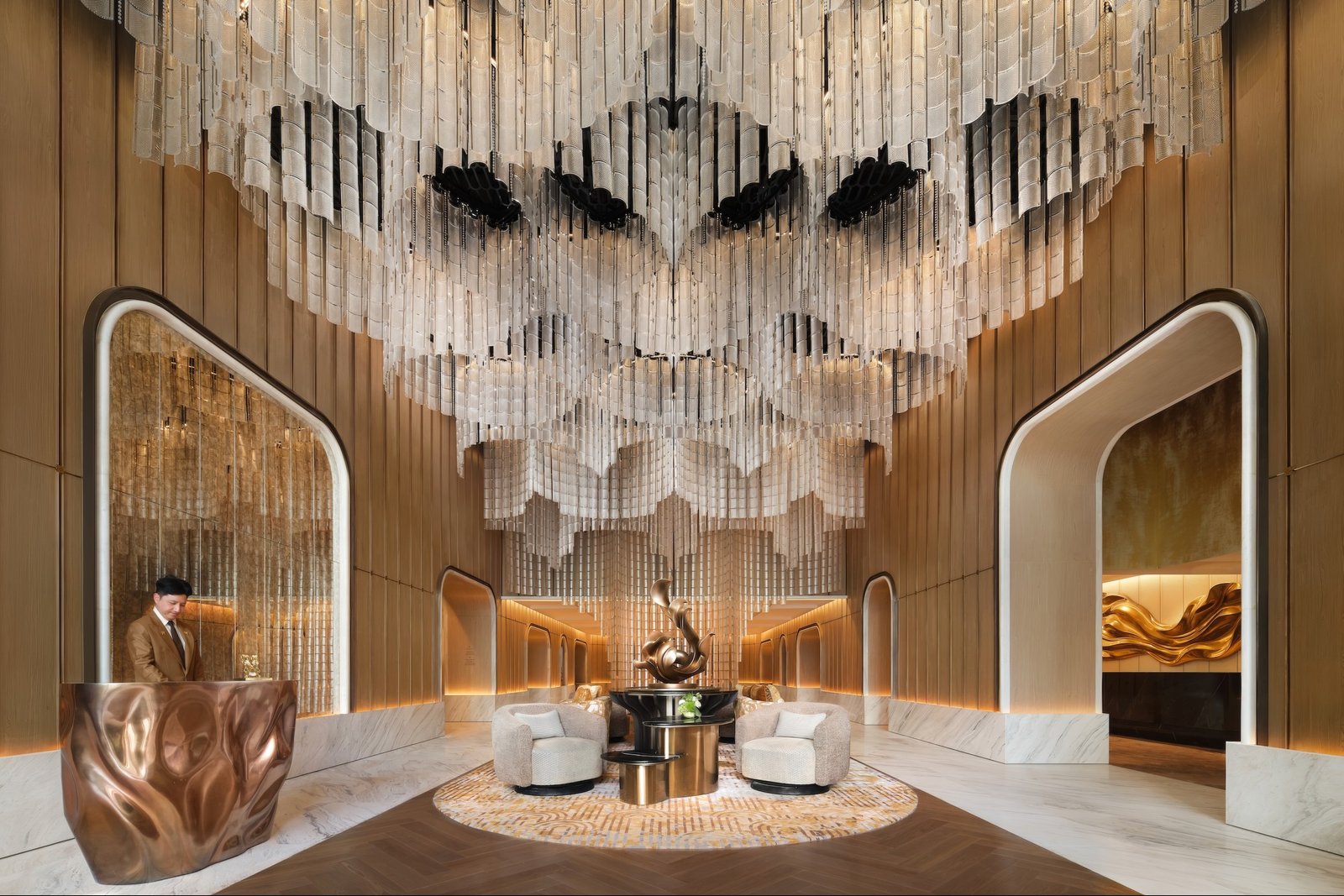
Fairmont Bangkok Sukhumvit: Fairmont plants its flag in one of Asia’s most competitive luxury hospitality markets as the brand expands its Asian footprint.
Fairmont is officially entering Thailand this month. The brand’s first property in the country, Fairmont Bangkok Sukhumvit, opens November 6, marking a significant moment in the luxury hospitality group’s Asian expansion strategy. The opening arrives as Bangkok remains one of the region’s most saturated luxury hotel markets, where dozens of five-star properties already compete for international and regional guests across the city’s prime neighborhoods.
The timing reflects a broader surge in global luxury hospitality development. According to eturbonews, the week of November 1 through 7, 2026, saw multiple landmark openings across the globe, from Saudi Arabia’s Red Sea resorts to new Fairmont properties in New Orleans and upcoming debuts in Bermuda. Fairmont reached its 100th hotel milestone with a New Orleans opening earlier in the week, underscoring the brand’s acceleration into new markets. Meanwhile, parent company Marriott International reported a record development pipeline exceeding 4,200 properties and 634,000 rooms as of Q3 2026, demonstrating the scale at which major hotel operators are expanding.
Bangkok’s hospitality landscape presents both opportunity and challenge. The city functions as Southeast Asia‘s premier tourist hub, drawing millions of international visitors annually alongside a robust business travel segment. Yet it is also saturated with established luxury competitors, from longtime Bangkok stalwarts like the Oriental and the Four Seasons to newer entries from Rosewood, Aman, and various Marriott-flagged properties. For Fairmont, the Bangkok entry represents a calculated bet that the brand’s identity, service standards, and positioning can capture market share in a city where guest expectations are exceptionally high and choice is abundant.
Fairmont Bangkok Sukhumvit Positions for Thailand’s Peak Season
November through early January represents Thailand’s most desirable season for international tourism. Temperatures cool to comfortable levels, humidity drops, and rainfall diminishes, creating ideal conditions for city exploration and resort relaxation alike. Fairmont’s November 6 launch positions the Bangkok Sukhumvit property to capture guests arriving for the season’s height, when occupancy rates across the city’s luxury segment typically run highest and room rates command premiums.
The Sukhumvit location itself carries strategic weight. Sukhumvit Road stretches across Bangkok’s eastern business and lifestyle districts, anchoring numerous shopping malls, restaurants, and entertainment venues alongside corporate offices. The neighborhood attracts both leisure travelers seeking urban immersion and business guests requiring central access to Bangkok’s commercial zones. Fairmont’s placement here suggests positioning the property as a cosmopolitan city address rather than a resort escape, differentiating it from the brand’s beachfront and island properties elsewhere in Southeast Asia.
Fairmont’s Expanding Regional Footprint
The Bangkok opening extends Fairmont’s demonstrated commitment to Asian growth. The brand’s recent announcements include multiple upcoming properties and recent debuts across compelling Asian destinations. Alongside the Bangkok arrival, Fairmont is preparing openings in other strategic markets, each carefully selected for destination appeal and guest demographics. The brand’s approach emphasizes location character and cultural integration, marketing properties as expressions of their settings rather than uniform luxury experiences.
Fairmont’s global collection now encompasses landmark city addresses and resort escapes across North America, Europe, the Caribbean, and increasingly, Asia. The brand emphasizes architectural and design distinctiveness, signature dining programs, and spa facilities as core differentiators. Marketing materials across Fairmont’s portfolio stress local character, from New Orleans properties highlighting Mississippi River views and proximity to the French Quarter, to Red Sea resorts celebrating coral-inspired design and pristine coastal settings. This curatorial approach contrasts with some competitors’ emphasis on standardized service models, positioning Fairmont as a destination-specific luxury choice.
The Broader Expansion Story
Fairmont’s Bangkok entry is part of a significant expansion wave across global luxury hospitality. Marriott International, Fairmont’s parent company, reported a 6.5% increase in global revenue per available room for Q3 2026, with RevPAR growth reaching 7.4% in the United States and Canada and 4.4% internationally. Anthony Capuano, Marriott’s president and CEO, attributed growth to stronger room rates, occupancy gains, and the company’s global distribution capabilities, as reported during the company’s November 2 financial announcement.
These numbers reflect a strategic expansion cycle driven by substantial capital investment, franchise and management fee models that distribute risk across multiple stakeholders, and powerful loyalty ecosystems that drive repeat bookings and rate premiums. For major operators, adding properties to key regional markets increases brand presence, expands distribution networks, and strengthens loyalty program engagement. For independent hotels facing this expansion, the competitive pressure is intensifying. For destinations like Bangkok, attracting a global luxury brand improves international visibility and can stimulate broader tourism infrastructure investment, though not all economic benefits necessarily remain in local communities.
The Bangkok market will ultimately determine Fairmont’s success in Thailand. The property’s performance will signal whether the brand can differentiate itself in a saturated luxury segment and whether international guests traveling to Bangkok are willing to choose Fairmont over established competitors and newer luxury entrants. The November 6 opening marks the beginning of that test, occurring precisely when Bangkok’s hospitality market operates at peak demand and international arrivals run highest.