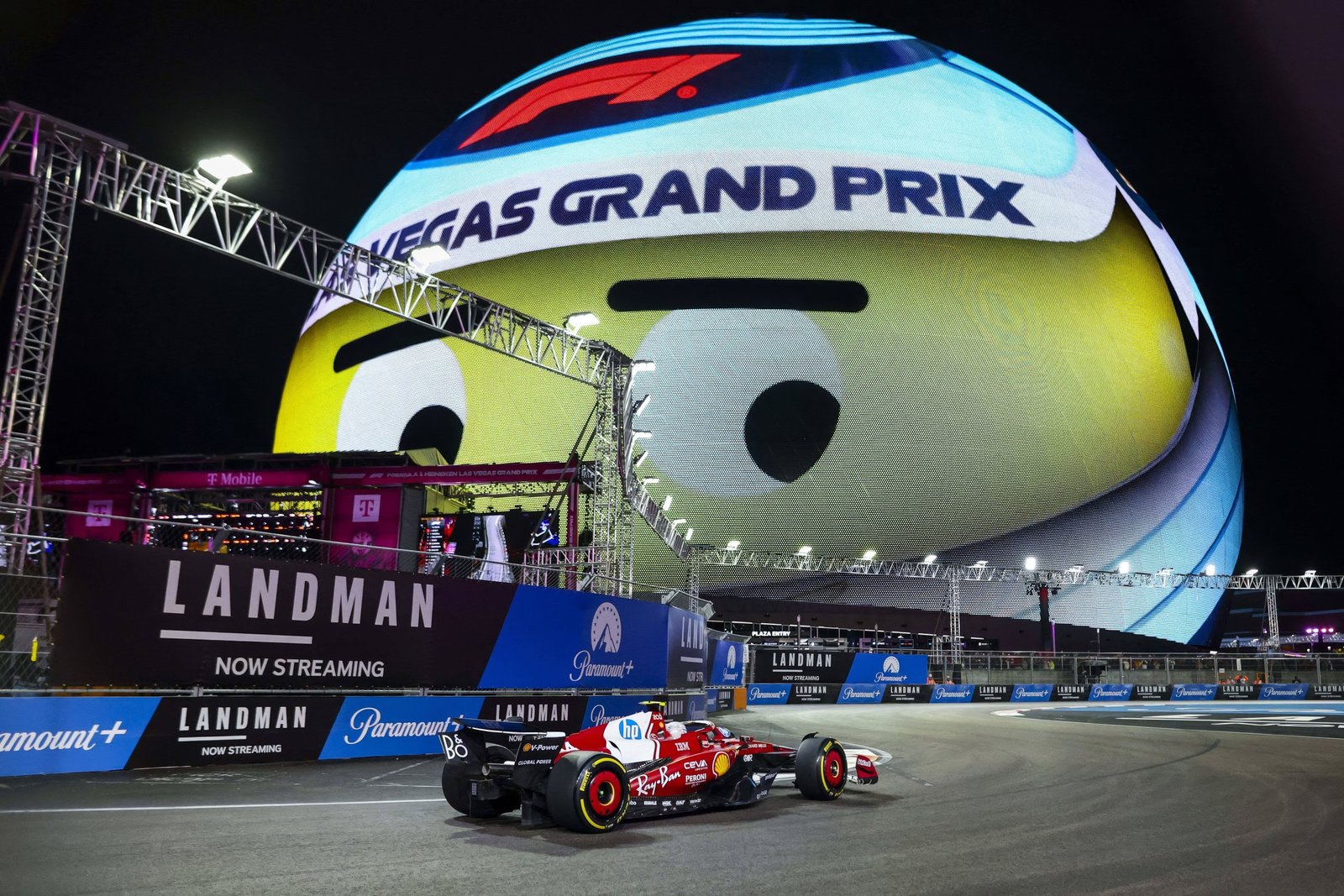
Las Vegas Grand Prix 2026: November 19 to 21, Formula One returns to Vegas with Michelin-star chef pop-ups, international cuisine, and exclusive brand experiences across the city’s highest-end resorts.
The Las Vegas Grand Prix 2026 transforms the Strip into a 215-mile-per-hour racetrack every November, but it isn’t just about the cars screaming past the Bellagio fountains. It’s become the cultural moment when the city’s luxury hospitality machine goes into overdrive, turning three days of motorsport into an excuse for the kind of conspicuous excess that only Vegas can pull off with a straight face.
The event, set for November 19 through 21, is expected to draw roughly 300,000 visitors, according to data from the Las Vegas Convention and Visitors Authority. That’s not incidental foot traffic. That’s the economic equivalent of a small nation descending on the desert for a weekend, and the city’s hospitality and retail sectors have spent months designing experiences specifically to capture that spending. Hotels are rolling out new hospitality concepts. Celebrity chefs are collaborating on limited-run menus. Post-race concerts are being booked. The integration is seamless by design: you’re not just buying a grandstand ticket and calling it a weekend. You’re buying into an ecosystem where racing, dining, shopping, and entertainment are braided together so tightly that separating one from the other feels impossible.
The numbers tell the story. According to official economic impact assessments from Clark County and the LVCVA, the Grand Prix drives over $1 billion in total economic output and generates record local and state tax revenues for Southern Nevada. That kind of return on investment doesn’t happen by accident. It happens because the hospitality establishment has figured out how to use a world-class sporting event as a Trojan horse for luxury experiences that wouldn’t normally justify the pricing.
How the Las Vegas Grand Prix 2026 Became a Luxury Motorsport Festival
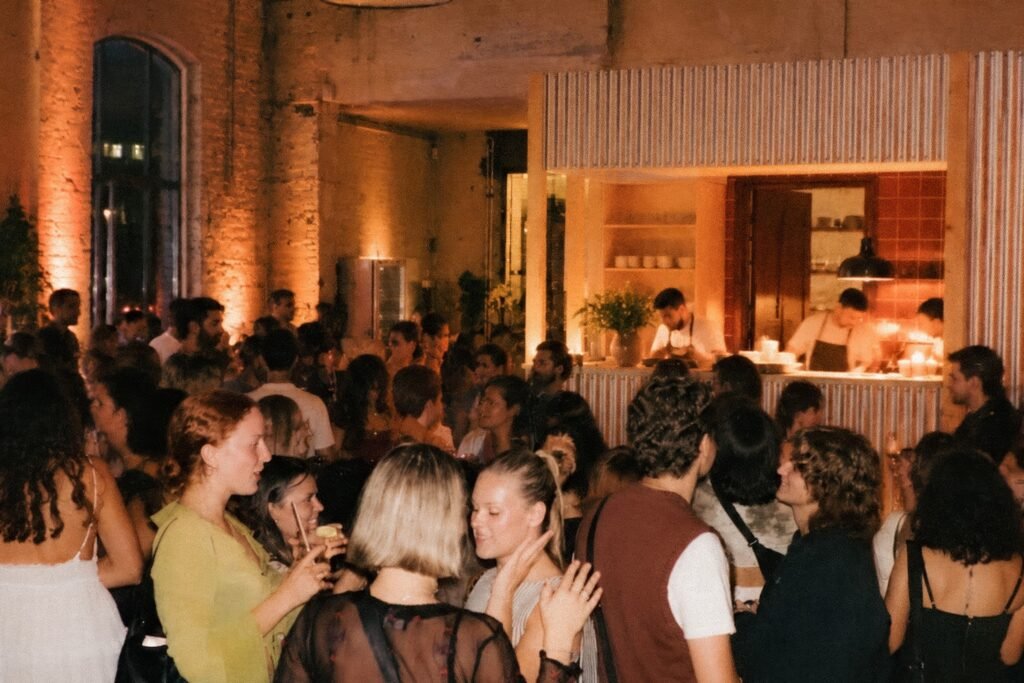
The culinary programming for 2026 represents perhaps the most visible departure from conventional race-weekend economics. Michelin-starred chefs and hospitality professionals are designing temporary restaurant collaborations and exclusive dining experiences across the city’s major resorts. The menu influences range globally: Mexico, Japan, Spain, Nigeria, and the United Kingdom will all have representation in what amounts to a rotating pop-up dining festival wrapped around the actual racing schedule.
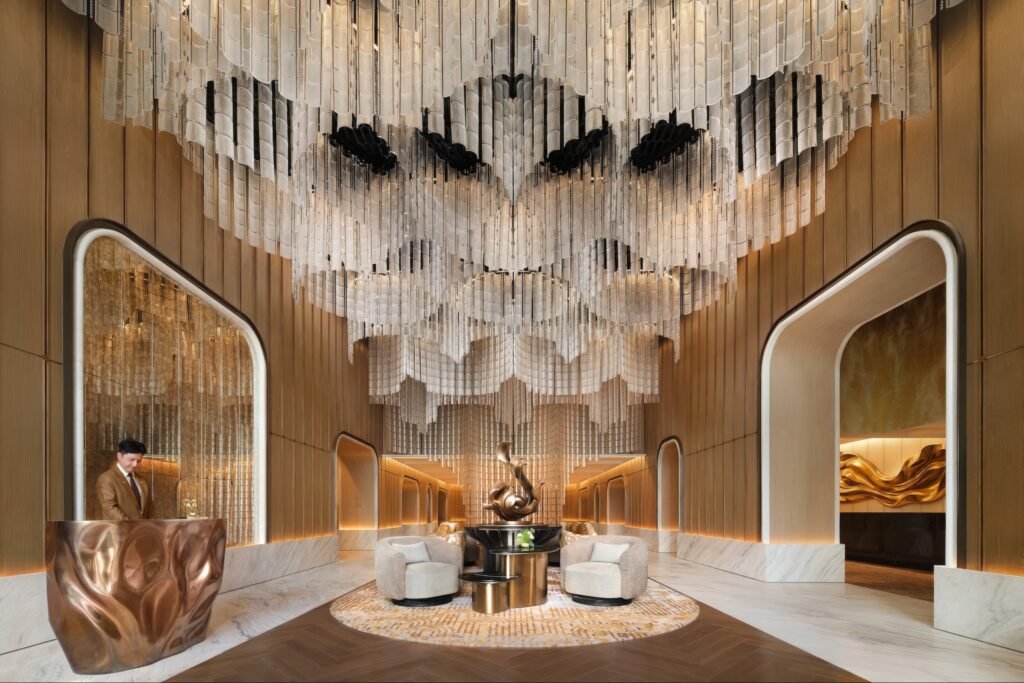
This isn’t about casual hospitality. Visitors combining grandstand access with luxury accommodation, chef-led dining, exclusive cocktail programmes, designer collections, and live performances represents a fundamentally different spending profile than traditional sporting tourism. The average visitor isn’t choosing between a race ticket and a nice dinner. They’re buying packages where both are assumed, along with the shopping, the nightlife, and the post-race entertainment. The city is banking on longer stays and increased per-visitor spending across multiple sectors simultaneously.
The Urban Circuit As Backdrop
What distinguishes the Vegas Grand Prix from other Formula One venues is its setting. The circuit runs along the actual Las Vegas Strip, with cars hitting speeds exceeding 215 miles per hour through an urban landscape of illuminated resorts, luxury retail, and entertainment districts. It’s motorsport theater, but the stage is built from real estate and brand architecture that’s designed to maximize visual impact and commercial opportunity.
Spectators experience the competition alongside the city’s most recognizable luxury environment. That isn’t incidental geography. It’s the entire business model. The race weekend doesn’t exist in isolation from the Strip’s hospitality apparatus. It’s integrated into it, creating a situation where the racing event itself becomes a draw for visitors who might not otherwise spend a weekend in the city, while simultaneously giving resorts and restaurants an occasion to roll out premium programming that leverages their highest-margin offerings.
For international travellers, the appeal extends well beyond grandstand access. The combination of sporting excitement, world-class dining, designer shopping, and premium nightlife creates a marketing narrative that positions Vegas not as a gambling destination but as a luxury motorsport and entertainment capital. The 2026 edition is designed to reinforce that positioning, with special experiences stacked across hotels, restaurants, entertainment venues, and retail establishments, all organized around the racing schedule but extending far beyond it.
The Las Vegas Grand Prix has become a calibration point for how major sporting events drive visitor economy growth when hospitality infrastructure is dense, brand presence is concentrated, and luxury sectors are mature enough to activate around a central draw. November 19 through 21, the Strip becomes a three-day premium experience wrapped around Formula One competition. That’s the actual product being sold.