Kade Noord Amsterdam: Amsterdam’s waterfront gains a landmark food destination with five distinct dining concepts housed under one industrial roof.
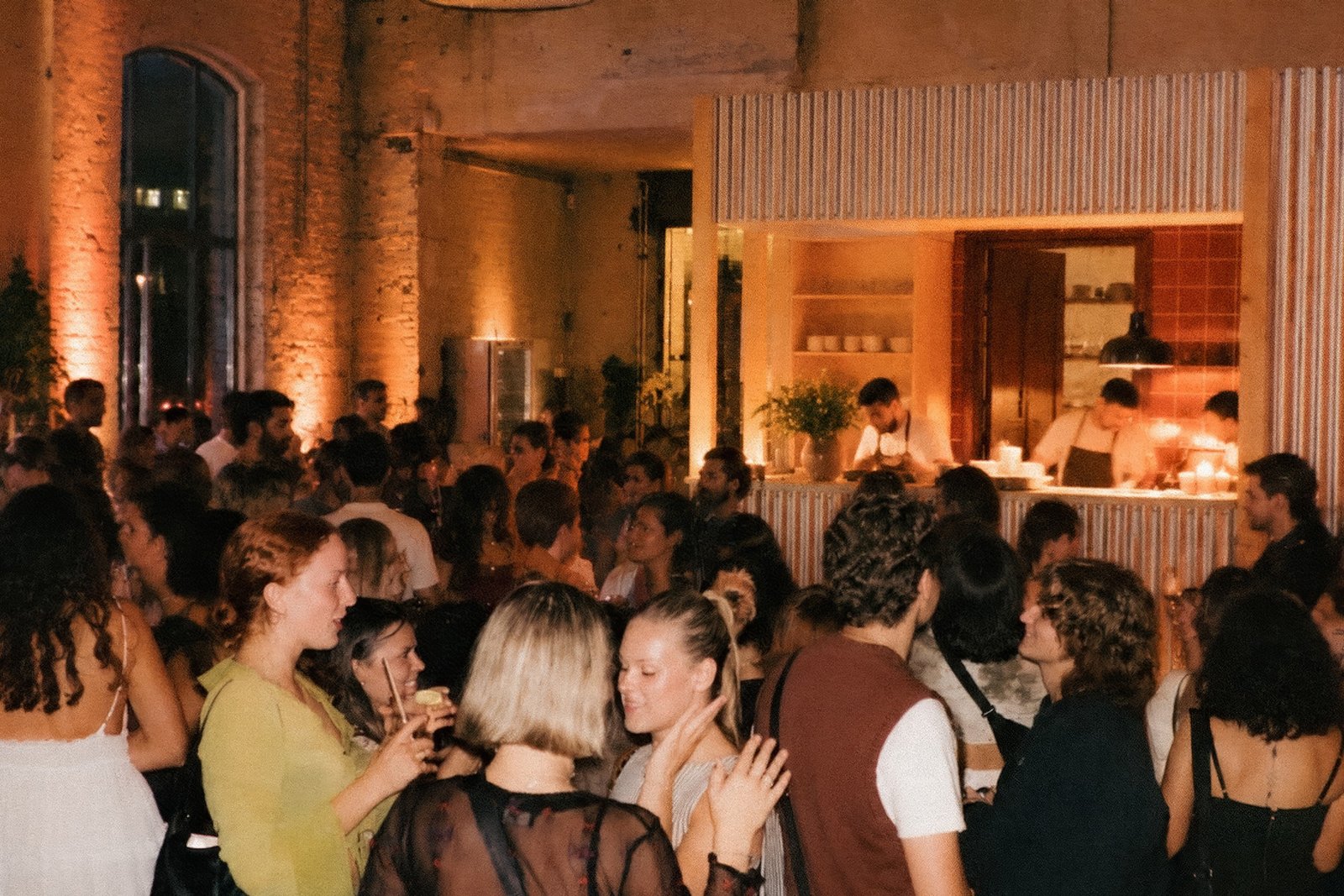
Kade Noord Amsterdam is set to transform the city’s north bank when it opens November 6 as a sprawling 1,000-square-metre food hall positioned directly beside the water, anchoring what’s shaping up to be a major culinary district for the city’s constantly evolving dining scene. The industrial warehouse aesthetic pairs with a deliberately curated roster of five distinct food and drink concepts, each operating autonomously but sharing the same cavernous space and waterfront views.
The move mirrors a broader shift in how major European cities are packaging food culture these days. Instead of scattering concepts across different neighbourhoods, Kade Noord consolidates them under one roof, making it easier for diners to graze across multiple menus or commit to a single chef’s vision depending on appetite and mood. The space itself functions as both destination and hangout, a flexible gathering point that works equally well for a solo meal at a counter, a date night, or a larger group splitting up across different stalls.
The industrial setting is deliberately chosen. Concrete, exposed brick, and minimal decoration create the kind of utilitarian atmosphere that reads as deliberately anti-fussy, even when the food inside is executed at a high level. It’s the kind of staging that signals seriousness without pretension, which has become the baseline expectation for ambitious food projects in Amsterdam.
Positioned directly beside the water, the location gives the hall a rare advantage: it functions as a genuine destination rather than something you stumble into while heading elsewhere. The waterfront placement also creates natural separation from the residential sections of Amsterdam North, positioning Kade Noord as a place people make a specific trip to visit, similar to successful models in cities like Copenhagen and Berlin.
The five-concept model means the space operates with built-in flexibility. Rather than betting everything on a single culinary vision, Kade Noord hedges across different cuisines, price points, and eating occasions. One concept might draw a crowd for breakfast or coffee, another for dinner, another for drinks and small plates. This diversification also means the hall can stay busy throughout the day rather than having dead zones between lunch and dinner service.
For Amsterdam, which has long punched above its weight in terms of dining quality relative to its size, Kade Noord Amsterdam represents the next evolution in how the city packages its food culture. The hall consolidates emerging talent and established voices into a single waterfront venue that functions as both working restaurant and cultural statement. The November 6 opening marks the moment when Amsterdam’s food infrastructure gets noticeably more sophisticated.