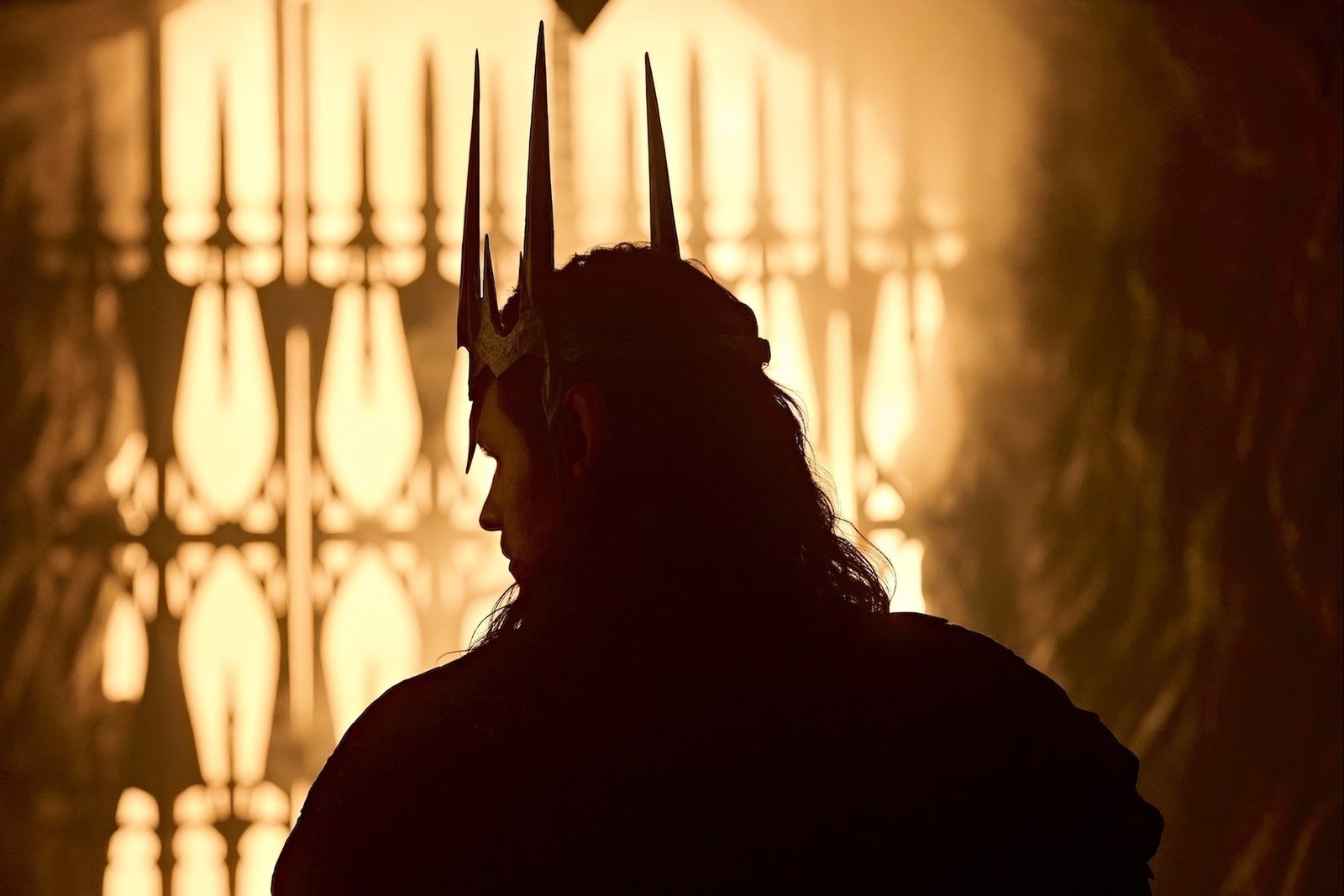
Rings Of Power Season 3: Prime Video’s flagship fantasy series returns this fall as one of the streaming platform’s biggest releases of the year.
Prime Video is treating November 2026 as a coronation month for its most ambitious properties, and nothing looms larger than the return of The Rings of Power Season 3. The third season of Amazon’s sprawling fantasy epic hits the service on November 11, arriving as part of what sources describe as an especially significant month for the streamer’s prestige releases. The show remains Prime Video’s largest fantasy franchise, and its arrival this fall signals the streaming giant’s commitment to maintaining its dominance in the prestige television space even as the competitive landscape continues to fragment.
The timing places The Rings of Power alongside other major November releases, including Blade Runner 2099, creating a concentration of high-profile content designed to anchor the season. According to Screen Rant, November marks an especially important moment for Prime Video, with the streaming service doubling down on coverage of major sporting events across the NFL, NBA, soccer and golf while simultaneously launching several flagship releases. The strategy reflects how aggressively Amazon is positioning itself in the fall television calendar, banking on The Rings of Power to drive subscriber engagement during a crucial period heading into the holiday season.
Four Episodes of Rings of Power Mythic Storytelling
The season opens with four episodes available immediately, a release strategy designed to capture attention across the premiere weekend. This rollout pattern has become standard for prestige television launches, giving viewers enough content to establish genuine investment in the narrative while maintaining the momentum of word of mouth and social conversation. The episodes are expected to cover some of the saga’s most significant mythological beats, moving the story closer to the iconic elements that define Tolkien’s wider mythology.
The narrative promises to finally deliver on several threads that have built across the first two seasons. Sauron, the dark lord at the center of Middle-earth’s conflict, remains the central figure driving the story forward. The Balrog, one of Tolkien’s most fearsome creations and a creature that has loomed large in fan expectations since the series began, is poised to play a substantial role this season. Most crucially, the One Ring, the artifact that serves as the ultimate MacGuffin of the entire Lord of the Rings mythology, appears to be moving toward its creation or discovery, a moment that fundamentally reshapes the stakes of everything that follows.
The Scale of Amazon’s Middle-earth Commitment
The Rings of Power represents an extraordinary financial commitment from Amazon Studios. The series has consistently positioned itself among the most expensive television productions ever made, with budgets that reflect the complexity of bringing Tolkien’s dense world to life through contemporary prestige television aesthetics. This third season maintains that investment level, visible in production design, visual effects, and the scale of set pieces across the episodes.
What separates this particular moment from typical prestige television discourse is the sheer competitiveness of the November landscape. The Rings of Power isn’t just competing for attention within the crowded field of autumn releases across streaming platforms and traditional networks. It’s positioned as a flagship title capable of influencing subscriber decisions during a period when households are reconsidering which services justify their monthly costs. The four-episode premiere is calibrated to create that genuine draw, offering enough story to justify the commitment while preserving narrative momentum across subsequent weeks.
The Rings of Power Season 3 represents an extraordinary financial commitment from Amazon Studios, positioned as a flagship title capable of influencing subscriber decisions during a period when households are reconsidering which services justify their monthly costs. The series has built a substantial fanbase across its first two seasons despite mixed critical reception, demonstrating Amazon’s ability to sustain ambitious long-form projects in an environment where streaming fatigue threatens many ambitious productions.