Grand Hyatt The Red Sea: Hyatt opens a 430-key Foster + Partners designed coastal resort on November 3, 2026, anchoring Saudi Arabia’s regenerative tourism ambitions with nine dining concepts and 100 percent solar power.
On November 3, 2026, Grand Hyatt The Red Sea officially opened on Shura Island, marking a watershed moment for Saudi Arabia’s luxury hospitality expansion and Vision 2030’s tourism mandate. The property introduces 430 rooms, suites, and residential pool villas to The Red Sea development, a master-planned archipelago destination conceived by Red Sea Global that spans more than ninety offshore islands along the Kingdom’s western coastline. The opening represents Hyatt Hotels Corporation’s second branded property within the development, joining the wellness-focused Miraval The Red Sea that launched earlier in 2026, and expands the Chicago-based operator’s footprint across the Kingdom to eight total properties.
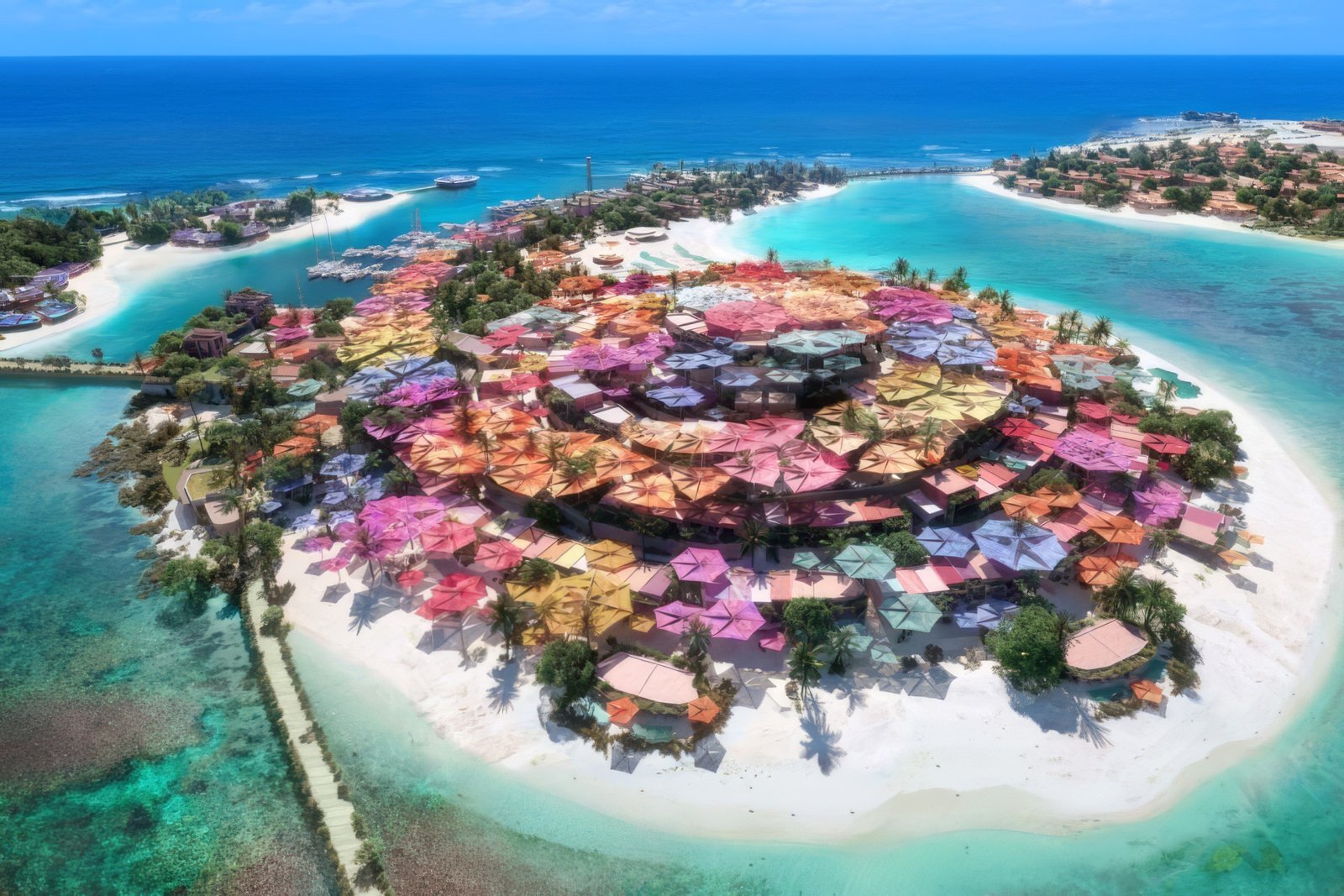
The resort’s architectural identity stems from London-based studio Muza Lab’s interior design and Foster + Partners’ “Coral Bloom” masterplan, a framework that prioritizes environmental integration over conventional resort construction. The design language incorporates recycled ocean fishing net shade canopies throughout the property, anchoring the development’s commitment to marine conservation. The scale of the undertaking reflects the critical role Shura Island plays as the central commercial and transport hub for the entire Red Sea destination. Connected to mainland Saudi Arabia via the 3.3-kilometer Shura Crossing bridge, engineered specifically to minimize disruption to marine currents, the island concentrates visitor arrivals before dispersing travelers to outer marine reserves across the archipelago.
Grand Hyatt The Red Sea: Design, Dining, and Wellness at Scale
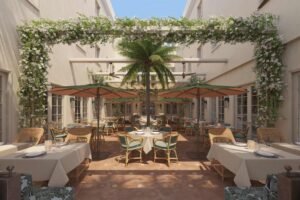
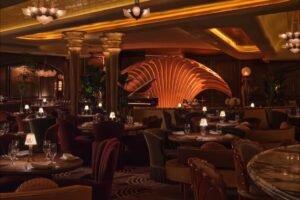
Grand Hyatt The Red Sea houses five indoor and outdoor swimming pools across its sprawling footprint, complemented by the 750-square-meter Ethereal Spa, which partners with Irish certified-organic brand VOYA. The culinary programming anchors the property’s position as a destination within a destination. Nine global dining concepts populate the resort, including signature venues from celebrity chef Akira Back and pastry artist Janice Wong, positioning Shura Island as a gastronomic hub capable of hosting international conferences and high-volume leisure expeditions. The property also features the archipelago’s largest conference and gala ballroom, designed to accommodate the scale of economic forums and corporate gatherings central to Vision 2030’s economic diversification strategy.
World of Hyatt members can access a New Hotel Member Bonus Offer providing double loyalty points on qualifying stays, incentivizing early adoption among the chain’s frequent travelers. This loyalty play underscores Hyatt’s long-term commitment to the Red Sea market and positions Grand Hyatt as the flagship property within an anticipated pipeline of additional branded and independent luxury addresses across the destination.
Regenerative Tourism and Solar Independence
The most distinctive feature of Grand Hyatt The Red Sea is not what guests see, but what powers what they experience. The entire property operates 100 percent on solar energy generated by 760,000 photovoltaic panels installed in the desert interior, backed by the world’s largest battery energy storage system with a capacity exceeding 1,200 megawatt-hours. This infrastructure represents a complete disconnection from Saudi Arabia’s national electrical grid, a radical departure from conventional resort development and a foundational component of The Red Sea’s regenerative tourism mandate.
The destination has committed to achieving a net conservation benefit of 30 percent by 2040, a framework governing all properties within the archipelago. This regenerative mandate extends beyond energy to active marine restoration. The Red Sea encompasses the world’s fourth-largest barrier reef system, and the destination’s conservation strategy includes expanding marine mangrove habitats, restoring endangered sea turtle nesting beaches, and nurturing resilient coral reef colonies. Unlike mass-tourism developments predicated on extraction and short-term returns, The Red Sea operates under an ecological governance model that treats the resort infrastructure as a vehicle for environmental restoration rather than environmental cost. Grand Hyatt’s opening signals that Hyatt believes this positioning is commercially viable at the luxury scale, a bet that will define the operator’s Middle East strategy for the next decade.
Sources: nomadlawyer.org, travelplusstyle.com