Cosimo I De’ Medici: Burlington House hosts a deep dive into the Florentine banker who weaponized art, architecture, and dynastic strategy to cement absolute power.
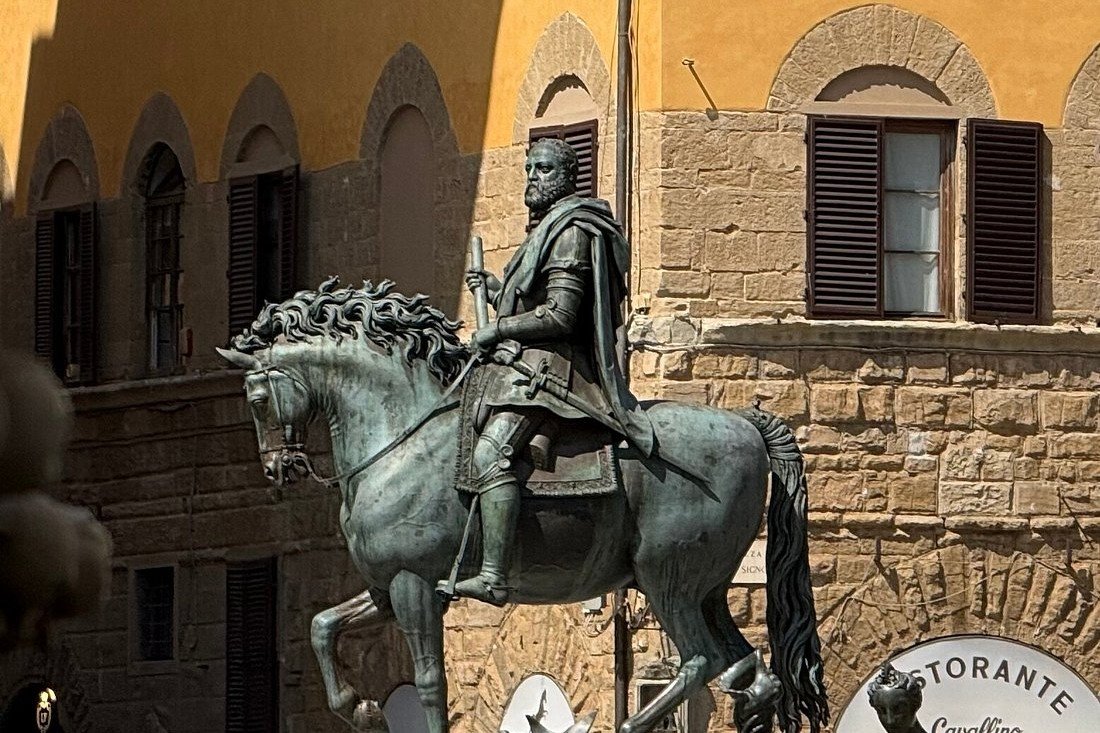
The Royal Academy of Arts in London is dedicating its winter season to Cosimo I de’ Medici, the sixteenth-century Florentine ruler whose grip on power was matched only by his obsession with controlling how history would remember him. The exhibition, titled “Cosimo I de’ Medici: Art and Dynasty,” opens at Burlington House and positions the controversial patriarch not simply as a collector or aesthete, but as a political architect who understood that every commission, every monument, and every painting was a calculated move in the larger game of dynastic consolidation.
Cosimo I inherited rule of Florence in 1537 at age seventeen and spent the next four decades methodically eliminating rivals, centralizing authority, and creating a visual propaganda machine that made his rule feel inevitable and divinely sanctioned. Unlike his predecessors in the Medici family who had to operate within the fiction of republican government, Cosimo dismantled those pretenses entirely and established himself as the unquestionable autocrat of Tuscany. The Royal Academy exhibition traces how he weaponized Renaissance aesthetics to that end. Every artwork commissioned during his reign carried a message about his legitimacy, his military prowess, his piety, or his bloodline’s entitlement to power.
The exhibition arrives in London at a moment when curators and scholars are increasingly reassessing Renaissance patronage through a less romantic lens. The traditional narrative casts Medici patrons as enlightened heroes who bankrolled artistic genius out of pure cultural devotion. The reality was far more calculating. Cosimo I understood patronage as statecraft. He commissioned portraits that established visual templates for his authority. He funded religious art that positioned him as the pious protector of Florence. He invested in public works and urban redesign that literally reshaped the city in his image, reminding citizens daily of his dominion.
What makes the Royal Academy’s approach particularly sharp is its refusal to separate Cosimo from the brutality that enabled his rule. His consolidation of power involved political executions, the suppression of internal dissent, and the elimination of Florence’s republican traditions. The art he collected and commissioned was not incidental to these acts; it was their counternarrative. While he was crushing potential enemies and centralizing authoritarian rule, the paintings and sculptures on display reassured the population that they were living under a golden age of culture and stability. It was an early and sophisticated version of using cultural production to launder political crimes.
The exhibition also foregrounds Cosimo’s strategic use of marriage alliances and dynastic imagery. He married Eleanor of Toledo, daughter of the Viceroy of Naples, and that alliance became central to his legitimacy strategy. Portraits of Eleanor and their children proliferated throughout Florence, visually cementing the idea that Cosimo’s rule was hereditary, eternal, and blessed by one of Europe’s most powerful families. The Royal Academy show includes these dynastic portraits and positions them as political documents rather than mere family records.
The exhibition runs through the winter season at Burlington House in Piccadilly, drawing on loans from major museums and private collections across Europe. For anyone interested in how power operates through culture, how art becomes propaganda, or how Renaissance aesthetics masked political ruthlessness, the show offers a corrective to the sanitized Medici mythology that has dominated popular culture for centuries. Cosimo I de’ Medici emerges not as a patron of the arts but as a ruler who understood that controlling the visual culture of your realm is the surest way to control the minds of your subjects.
Sources: flolondon.co.uk