Waldorf Astoria Shanghai Qiantan: Shanghai’s newest luxury hotel plants the Waldorf flag on the Huangpu, pairing classical glamour with a bold culinary vision.
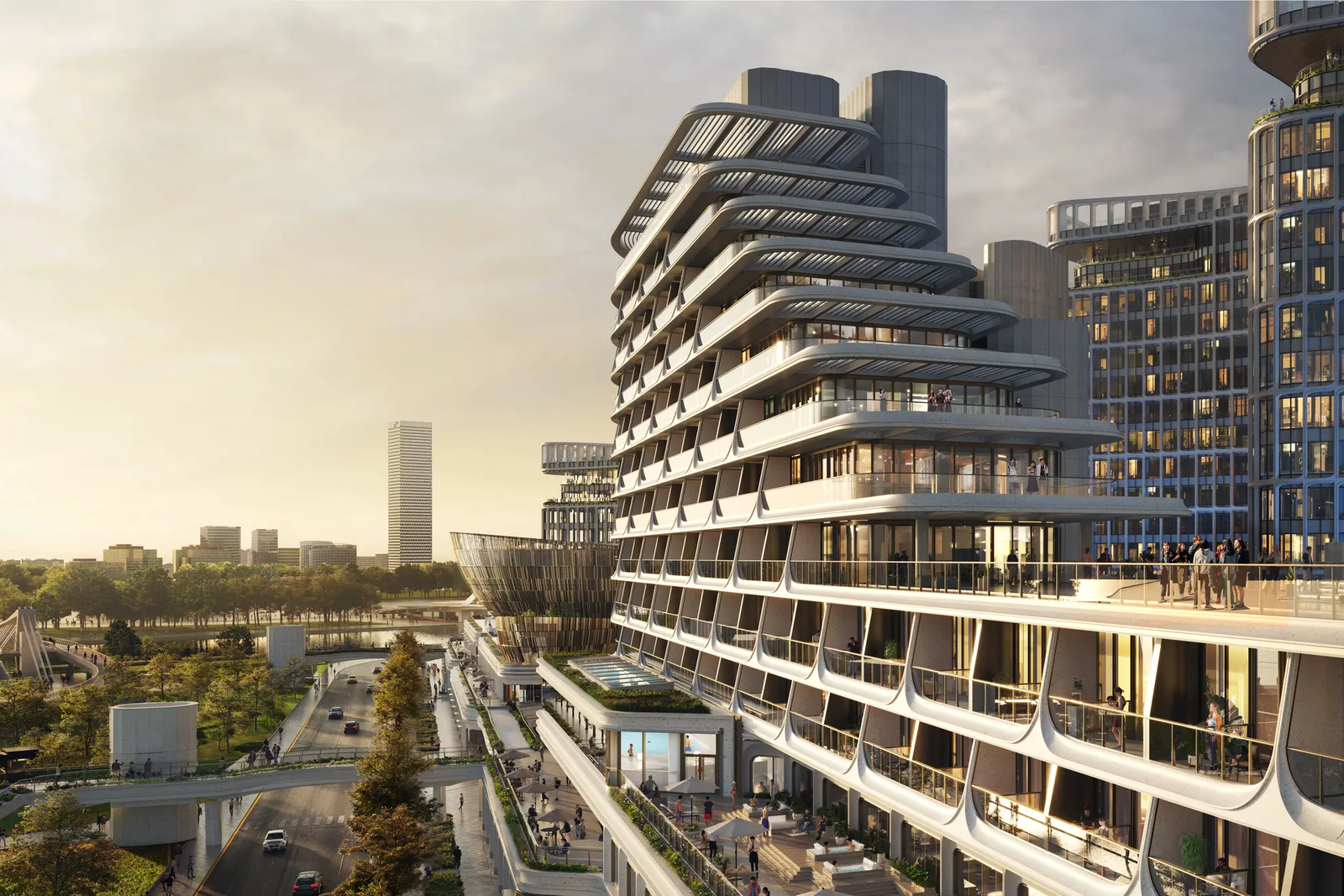
The Waldorf Astoria Shanghai Qiantan has planted the brand’s second Shanghai outpost along the Huangpu River, and this time it’s swinging for something more architecturally defined than corporate polish. This location marks a deliberate move into one of the city’s most aggressively developed waterfront zones, where old Shanghai aesthetics collide with money and ambition. This isn’t the downtown tower gambit anymore; it’s about riverfront real estate as cultural statement, and the Waldorf is betting that Art Deco grandeur still reads as premium when it overlooks the water.
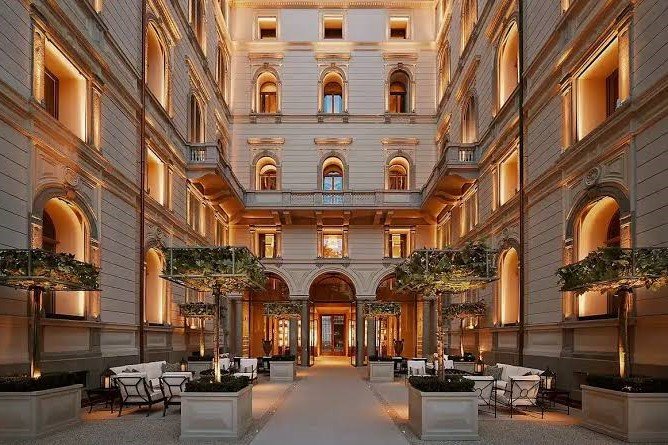
The design strategy here feels intentional in a way luxury hotel openings often aren’t. Art Deco revival has staged a minor comeback in hospitality circles, partly because it photographs well and partly because it signals a certain historical depth that glass-and-steel modernism can’t touch. The Qiantan property leans into that vocabulary, which works especially well in Shanghai, a city where the style actually has roots in its colonial-era banking and hotel architecture. The Huangpu River vantage point amplifies this narrative; you’re not just staying in a building with period trappings, you’re positioned to observe the city from a historically charged perch. That’s the kind of detail that justifies the price tag in luxury travel.
The culinary angle matters equally here. Riverjoy and Min cuisine signals a departure from the expected hotel-restaurant formula. Min cuisine, rooted in Fujian province traditions, isn’t especially common in high-end Shanghai hospitality, where Sichuan and Cantonese tend to dominate. Bringing it to the Waldorf Astoria, particularly at a property designed to attract international guests and local elites, is a choice that suggests genuine ambition beyond check-the-box dining. Riverjoy as a concept plays into the location itself, making the menu and the setting feel architecturally coherent rather than accidentally paired.
What makes this opening worth attention isn’t that another luxury hotel has materialized in Shanghai; the city generates them regularly. It’s that the Waldorf Astoria Shanghai Qiantan appears to understand that hospitality in 2025 requires something beyond amenities. Design language, culinary direction, and riverfront positioning combine to suggest a property that knows why it exists in this particular place, at this particular moment. That kind of conviction is rare enough in luxury hospitality to register as genuinely interesting.