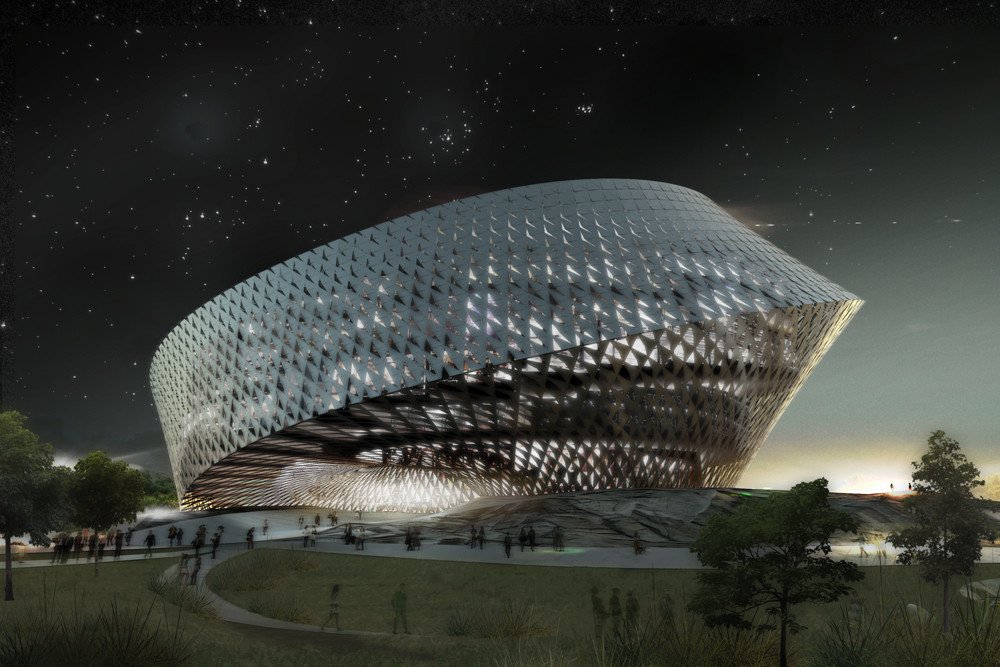
Adaptive Infrastructure: The Druker Design Gallery opens a major exhibition on temporary infrastructure and adaptive urbanism at a moment when permanence is becoming a luxury most cities can’t afford.
The built environment is increasingly a game of strategic impermanence. Harvard’s Graduate School of Design has leaned into this reality with ‘Infrastructure in a Time of Flux,’ an exhibition now running through December at the Druker Design Gallery that interrogates how adaptive infrastructure becomes a core operating principle rather than a design failure. The show arrives as municipalities worldwide grapple with climate volatility, rapid demographic shifts, and the economic impossibility of building static infrastructure that remains relevant for decades.
What makes this exhibition particularly sharp is its refusal to treat temporary or adaptive infrastructure as a consolation prize. The curatorial premise acknowledges that some of the most innovative urban thinking happening right now exists in the margins: pop-up public spaces, modular transit systems, deployable disaster relief architecture, and buildings designed with radical future reconfiguration built into their bones. This isn’t about cutting corners or postponing real solutions. It’s about recognizing that the old model of engineering a city once and locking it in place for the next fifty years has become structurally incompatible with how contemporary life actually operates.
The timing lands somewhere between urgent and inevitable. Cities are already operating this way whether or not architecture has theoretically caught up. The show functions as both documentation and permission slip, validating work that exists outside the traditional permanent-monument framework while challenging designers to think more rigorously about what durability even means in 2026. Whether the exhibition lands as a wake-up call or a retrospective of changes already underway likely depends on where you’re building, but either way, it’s the conversation architecture needs to be having in public right now.