Unpaid Family Care: A recent comedy sketch spotlights how daughters shoulder elder care duties that might otherwise drain family finances, sparking debate about invisible labor and healthcare costs.
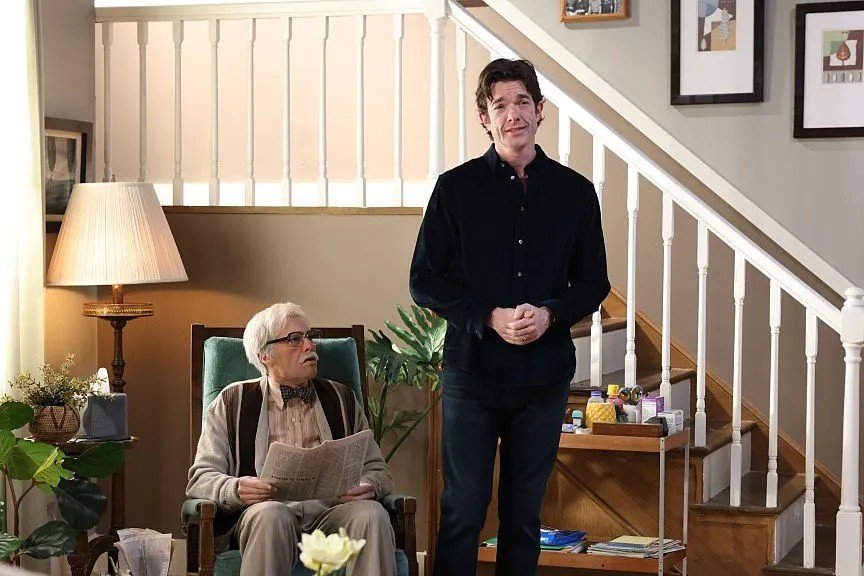
Saturday Night Live recently aired a sketch about unpaid family care that struck a nerve far beyond the studio audience. The premise was simple but cutting: a family discussing elder care options, only to realize the cheapest solution was already in place, unpaid and unquestioned. A daughter, sitting right there at the table, would do it. Free. The sketch tapped into something deeply uncomfortable about American family dynamics and the economics of aging.
The timing of the sketch’s viral spread coincides with a national reckoning over healthcare costs and who bears them. According to Fortune, projections suggest that Medicare coverage of GLP-1 medications for weight loss alone could add nearly $18 billion to the federal deficit by 2034. These figures highlight how much Americans are spending on health interventions, yet the conversation rarely extends to the unpaid caregiving that props up the entire system. Someone has to handle the daily work of elder care, and in most households, that someone is a family member, often a woman, often a daughter.
What makes the sketch particularly sharp is how it refuses sentimentality. There’s no tearful speech about love and duty. Instead, it’s framed as a practical business decision, one made without anyone actually asking the daughter if she wants the job. The sketch mines comedy from this blunt transactionalism, but the underlying truth is brutal: family caregiving, disproportionately performed by women, represents an enormous transfer of wealth and labor that never appears on a balance sheet.
The sketch’s resonance speaks to broader shifts in how Americans view family obligation. Research cited by Fortune found that fathers are three times as likely as mothers to spend vacation days on a newborn, suggesting that even as parental involvement evolves, the distribution of childcare and elder care responsibilities remains heavily skewed. If that imbalance holds for newborns, it only deepens when parents age and require long-term support.
The SNL bit also arrived in a cultural moment when conversations about invisible labor have moved beyond social media discourse into mainstream institutions. What was once dismissed as millennial or Gen Z handwringing about fairness is increasingly recognized as a structural problem affecting the economy itself. When millions of potential workers are locked into unpaid caregiving roles, that’s not just a personal family issue, it’s a macroeconomic one.
The sketch’s dark humor lies in how it refuses to let viewers off the hook. There’s no punchline that redeems anyone or suggests a better solution. It simply ends with the daughter still there, still expected to handle it, still unpaid. That’s the actual structure of unpaid family care in America for many families, and the sketch’s viral success suggests audiences are ready to laugh at something they’re not ready to change.
Sources: fortune.com