Nobody Cares Meme: A confidence-driven Reels format is blowing up by flipping the script on fashion anxiety with a simple two-part reveal.
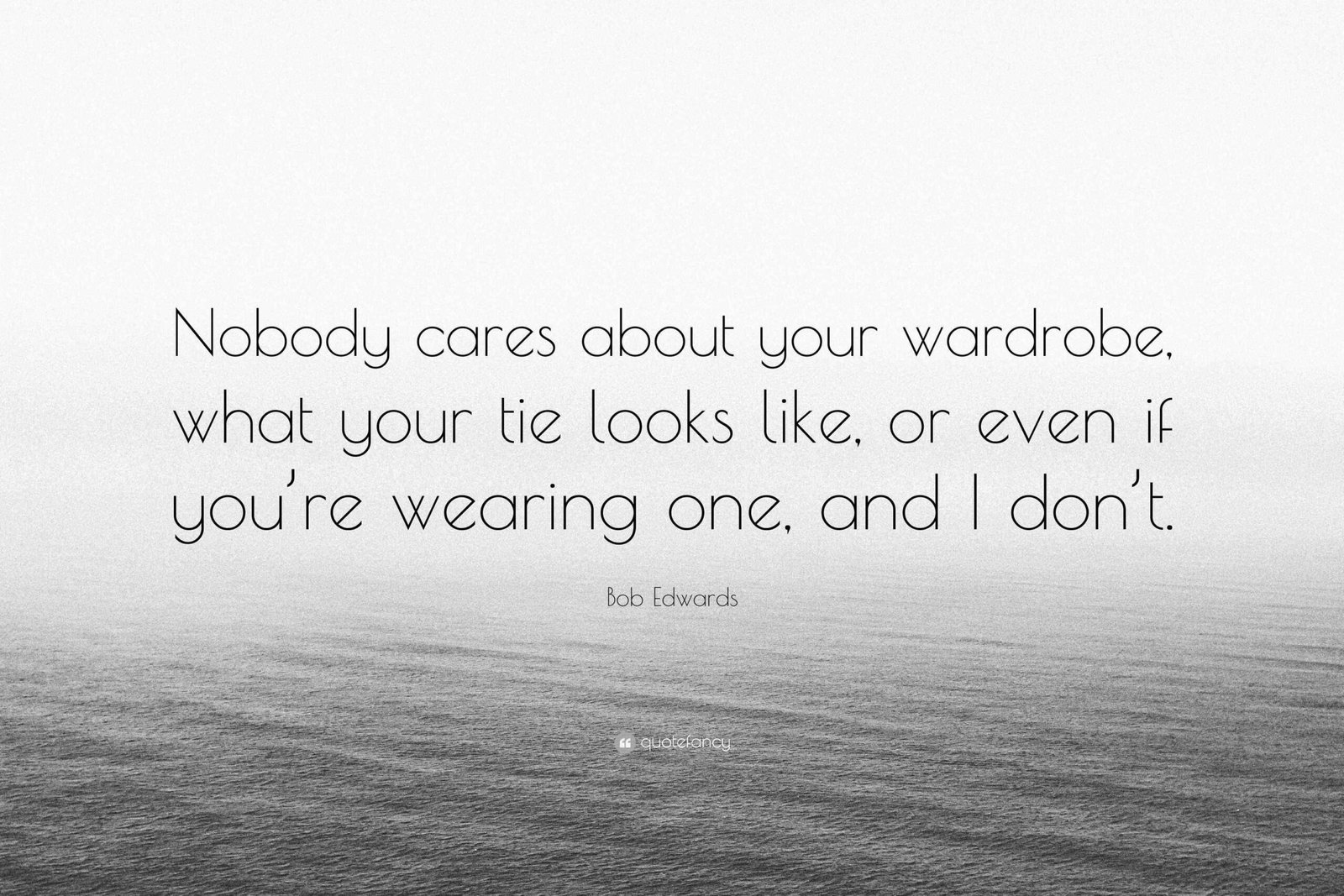
The nobody cares meme format is almost absurdly simple: text that reads “Nobody cares what you wear to [insert your niche here],” followed immediately by a cut to someone who absolutely, defiantly cares. A montage of carefully chosen fits. A voiceover that counters the opening with “I do.” The camera catches you mid-task, working or running errands in baseline clothes, then pivots hard into a gallery of your best looks, all synced to the audio for maximum impact.
This format has become one of the most pervasive trends on Instagram Reels right now, according to Later, a social media management platform that tracks weekly trending audio and video formats across the feed. What makes it stick isn’t just the contrast or the aesthetic payoff, though both matter. It’s the permission structure embedded in the joke itself. The trend opens by saying nobody’s paying attention to what you’re wearing. Then it immediately proves that’s a lie. And in doing so, it gives creators a framework to celebrate getting dressed without sounding vain about it.
The meme works across every niche because the anxiety it’s addressing is universal. Fashion creators use it to show range. Lifestyle accounts pair it with their actual routines. Service-based businesses have adapted it to their own workflows. The core tension, though, remains the same: the gap between what you think people expect you to wear and what you actually want to wear. The trend collapses that gap in about six seconds.
Why the Nobody Cares Meme Format Lands So Hard
The genius of the format isn’t the outfits themselves, though quality ones certainly help. It’s the narrative arc baked into the structure. By opening with the deflating statement, creators set up an expectation of mediocrity. The audience braces for a joke about apathy. Then the reveal doesn’t just contradict the opening, it swallows it whole. The second half of the video says: I heard you, I rejected it, and here’s proof that I’m living differently.
That’s a surprisingly powerful move for a platform built on aspiration. Instagram has spent over a decade teaching users to perform for invisible audiences. This trend takes that muscle memory and weaponizes it. It says the performance is worth doing, not for them, but for you. The “I do” moment, when the voiceover breaks in, isn’t defensive. It’s a declaration. It’s someone saying they’ve made a choice, owned it, and they’re showing the receipts.
According to Later’s weekly trend tracking, this format has resonated most with fashion and lifestyle creators specifically, though the adaptability means it’s bleeding into beauty, wellness, and professional spaces too. The common thread is that all of these niches deal with daily micro-decisions about appearance. This trend gives those decisions a stage. It reframes getting dressed not as vanity but as a small, recurring act of self-definition.
The Cultural Timing Isn’t Accidental
Part of the format’s reach comes from how it sits at the intersection of two contradictory cultural moments. We’re living through an era of performative casualness, where “quiet luxury” and minimalism get marketed as the ultimate flex. At the same time, there’s a growing fatigue with that aesthetic. People are tired of being told that less is more. This trend cuts through that noise by saying: more is more if more is what you want.
The format also works because it’s inherently relatable in a non-toxic way. Unlike trends that rely on humiliation or shock value, this one lets viewers project themselves into the video. They can imagine their own version of the reveal. What would they wear if nobody was watching to judge it? The trend answers by saying they’d wear something they actually liked. It’s optimistic in a way that most internet content no longer bothers to be.
The practical side matters too. The format is easy to execute. You need a camera, a location, some clothes, and an audio clip. No special effects, no jump-scares or jarring edits. Just placement and timing. That accessibility is why it’s spread as quickly as it has. Creators with minimal production experience can participate. Brands can adapt it without hiring an agency. The trend doesn’t gatekeep itself behind complexity or expense.
What Creators And Brands Are Actually Missing
The detail that most people overlook is that this trend works best when the “nobody cares” and “I do” statements are in genuine tension with each other. The ones that fall flat are the ones where the opening feels like false modesty and the reveal is just average. The format rewards actual specificity. If you’re going to say nobody cares what you wear to your job, the outfits that follow should prove that you care in a way that’s visible, intentional, maybe even a little defiant.
Sources: later.com