Ultra-Luxury Hospitality: The ultra-luxury brand’s Taipei opening, modeled on Kengo Kuma’s acclaimed Kyoto flagship, marks a turning point in how the world’s most selective hotels approach geographic expansion.
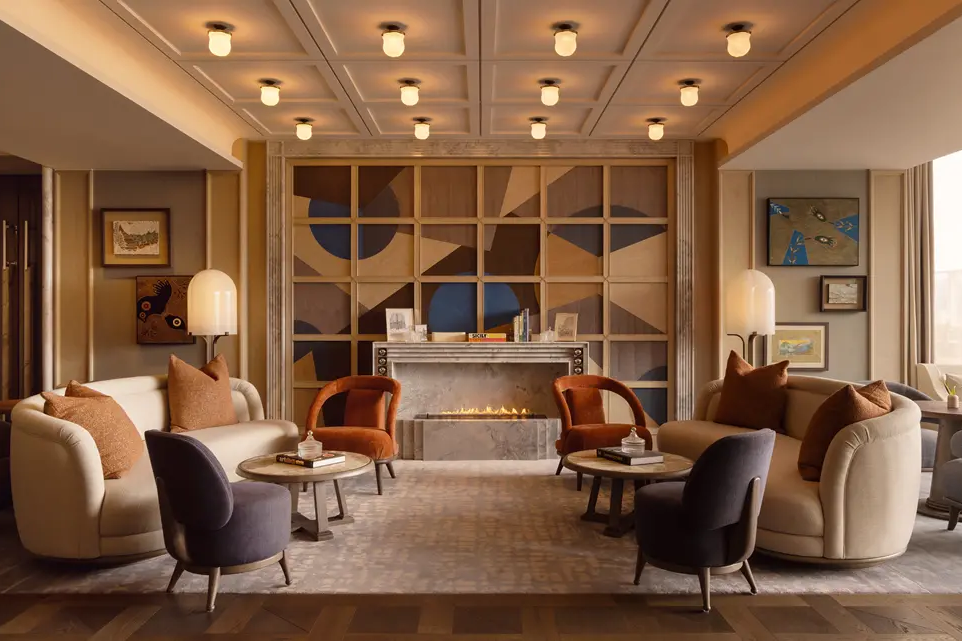
Capella’s arrival in Taipei this season signals a major shift in ultra-luxury hospitality in Asia, feeling less like a brand extension and more like a cultural statement. The Japanese architecture studio Kengo Kuma, whose Kyoto property established the template that luxury hospitality is now racing to replicate, has engineered a property that reads as deliberately restrained. In a city that trades in excess, Capella’s Taiwan entry opts for what feels like disciplined minimalism: material honesty, spatial breathing room, and a refusal to overwhelm. The Kyoto model proved that guests at the ultra-luxury tier don’t want louder anymore. They want closer to something true.
What’s striking about Capella’s current expansion footprint is its geographic specificity. This isn’t a brand flooding markets with identical boxes. Taipei’s opening arrives as the company simultaneously moves into Baja California and prepares a Polynesian property, each supposedly engineered for its landscape rather than applied like a template. The Kyoto flagship established that Capella’s whole operating philosophy centers on the idea that luxury now means local intelligence, not global standardization. A building in Taiwan doesn’t look like a building in Mexico or the South Pacific. Kuma’s influence has apparently filtered through the entire organization as a commitment to place-based design thinking.
The ultra-luxury hospitality category has spent years trying to decode what separates a hotel guests actually want from one that simply costs more. Capella’s answer, and its willingness to let Kyoto’s restraint language travel to completely different geographies, suggests the category is finally moving past the assumption that bigger, more ornate, or more exclusive automatically reads as better. The Taipei opening is proof that ultra-luxury hospitality succeeds once you’ve built the right thing in one place.